Personally Accompanied
Gabriel accompanies each journey, combining decades of experience in Africa with a practical understanding of wildlife photography.
Small-group wildlife journeys shaped around light, animal behaviour, patient observation and the experience of creating meaningful images in Africa’s natural landscapes.
It is no longer only about seeing wildlife. It becomes a slower and more attentive way of entering the landscape: waiting for light, reading behaviour, respecting distance and allowing each encounter to develop naturally.
Africa Photography was created for travellers who want more than a checklist of sightings. Each journey is personally accompanied by Gabriel Haering and designed for people who value patience, atmosphere, wildlife and meaningful images.
You do not need to be a professional photographer. What matters is curiosity, respect for nature and the wish to experience the African bush with greater awareness.
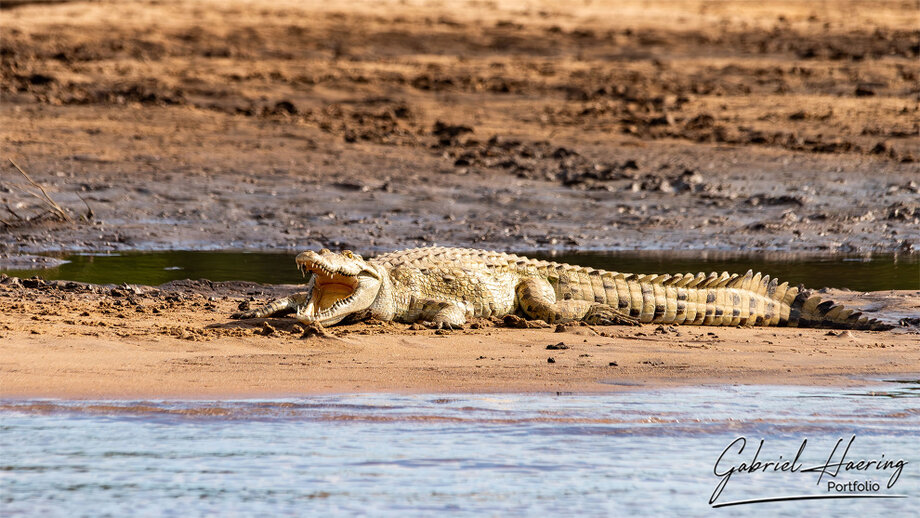
The experience is shaped around observation, photography and respect rather than the pressure to move rapidly from one sighting to another.
Gabriel accompanies each journey, combining decades of experience in Africa with a practical understanding of wildlife photography.
Limited group sizes create more space, flexibility and freedom to work comfortably with cameras and long lenses.
We stay longer when the light, behaviour and atmosphere make patience worthwhile.
Early departures, patient sightings and practical guidance place photography at the centre of the field experience.
Distance, sensitivity and animal welfare always take priority over obtaining a photograph.
Guidance is available in English, Italian, French and German for a clearer and more personal experience.
Join a carefully prepared departure, design a private journey around your interests or explore the photographic workshop that accompanies the experience.
Join a selected small-group journey with fixed dates, a defined photographic focus and personal accompaniment throughout the safari.
Create a private route around your dates, preferred wildlife, photographic interests, travel pace and accommodation expectations.
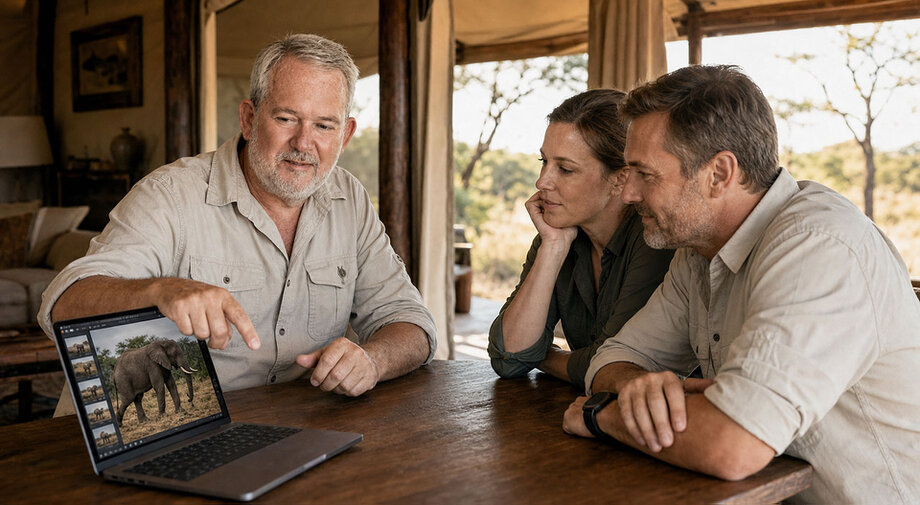
Receive practical guidance before departure, in the vehicle, during wildlife encounters and while reviewing selected images.
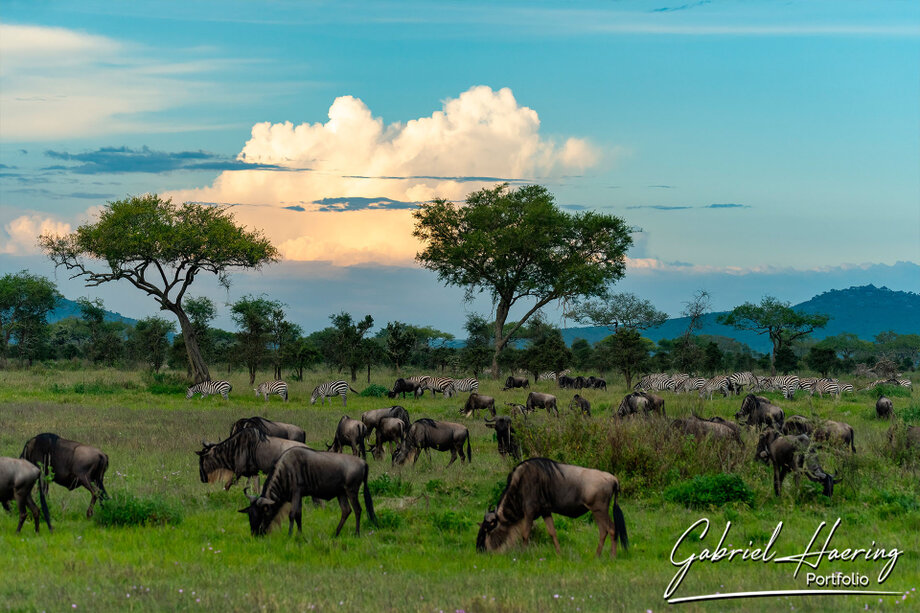
Each journey has a different seasonal rhythm and visual character—from rivers and remote wilderness to migration herds and predator activity.
Rivers, birds, elephants and baobab landscapes
A fly-in journey combining the Rufiji River environment with Ruaha’s rugged landscapes, wildlife and quieter photographic atmosphere.
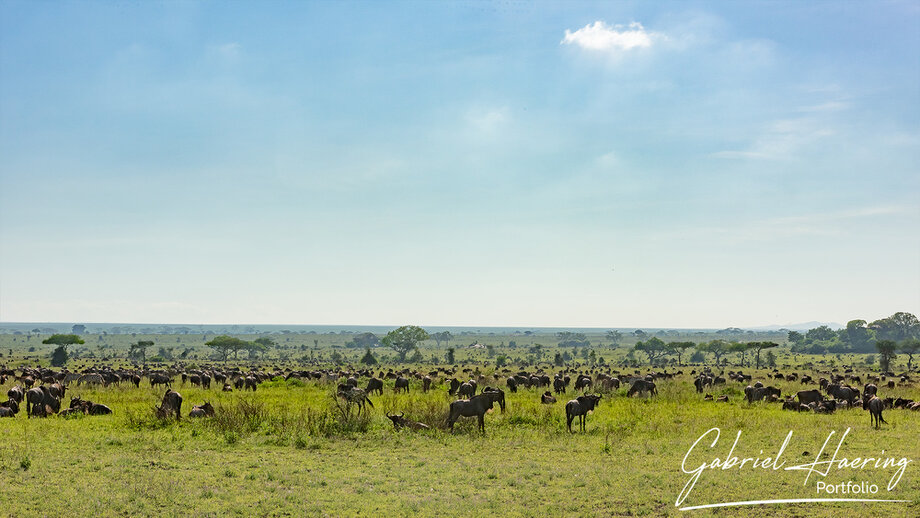
Newborn wildlife, big cats and open plains
A journey through Tarangire, Ngorongoro, Ndutu and the Serengeti during one of East Africa’s most intense periods of wildlife activity.
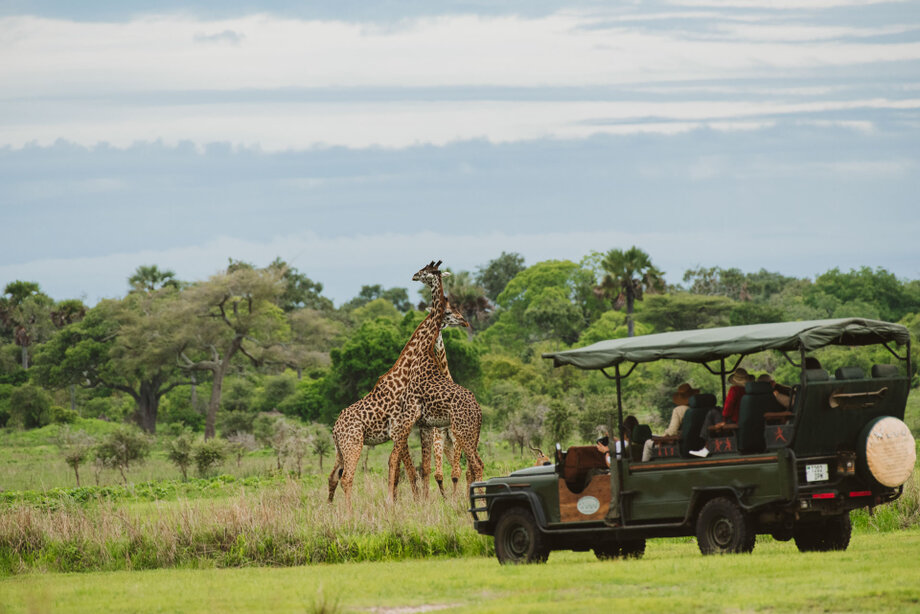
Space, buffalo herds and remote wilderness
A remote fly-in journey for travellers drawn to elephants, predators, buffalo, hippos, dry-season light and very few vehicles.
Photography is not only about pressing the shutter at the right time. It begins with being present enough to recognise when the moment is developing.
Early light, silence before movement, dust behind an elephant, the shape of a baobab or the tension around a predator sighting all become part of the experience.
The aim is to observe first, understand the scene and create photographs that retain the atmosphere of the encounter.
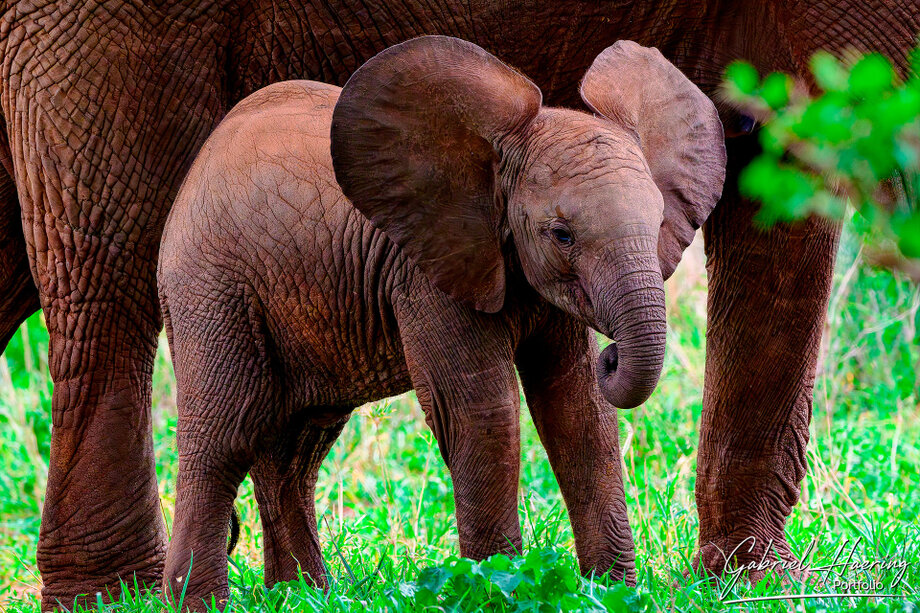
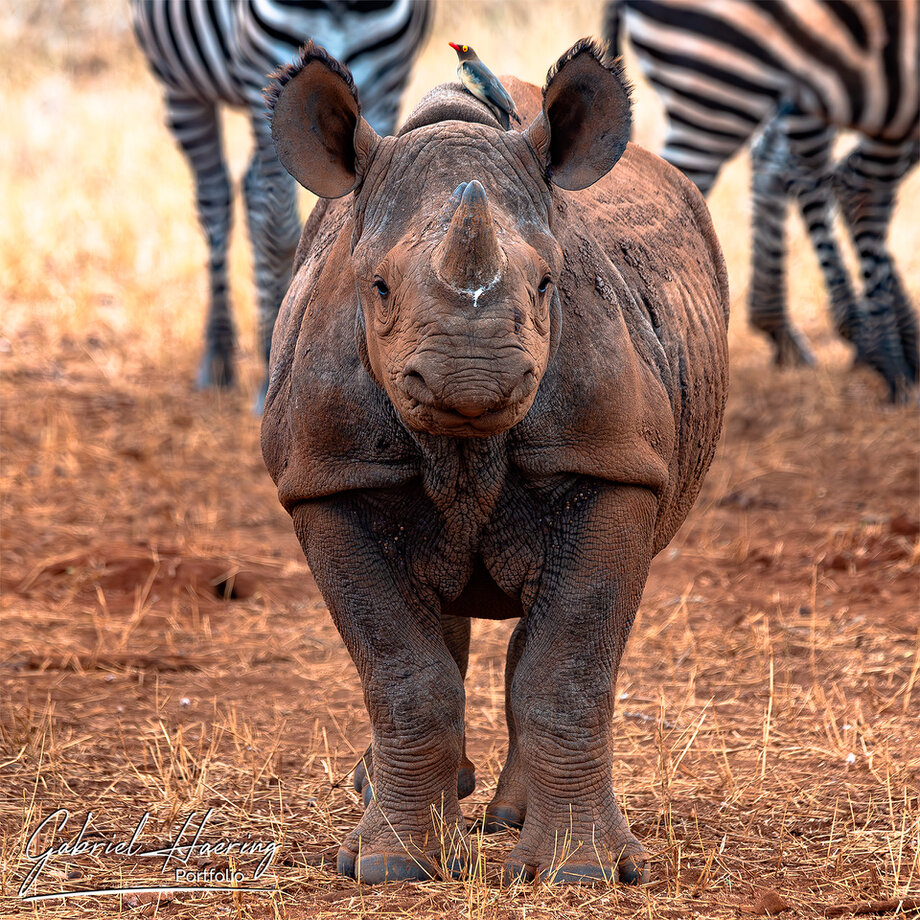
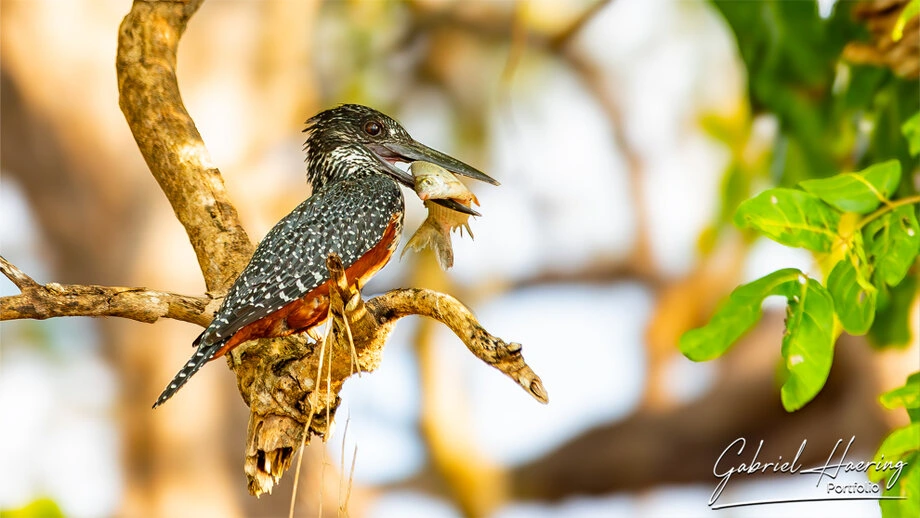
The portfolios reveal the visual approach that shapes every journey: patience, atmosphere, ethical observation and attention to the relationship between wildlife and landscape.
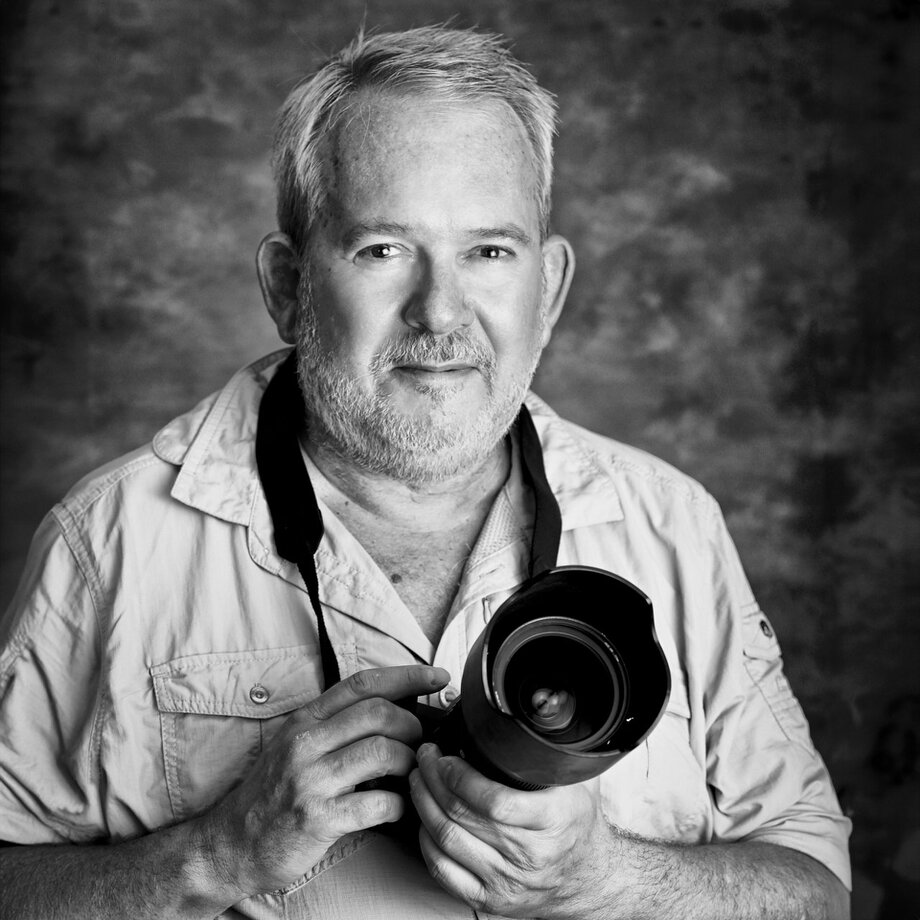
Photography has been part of Gabriel’s life for more than fifty years. His first African safari was in 1989, followed by his first journey to Tanzania in 1993.
Africa Photography brings together this long personal connection with Africa, practical wildlife-photography experience and the wish to accompany a limited number of small groups in a more attentive and respectful way.
The approach is based on patience, observation and the belief that no photograph is more important than the welfare of the animal.
Discover field reports, wildlife observations, conservation reflections and practical photography articles from journeys through Africa.
Read about the light, landscapes, wildlife encounters and unexpected moments experienced during previous journeys.
Read safari stories →Explore emotional wildlife stories, international wildlife days, conservation reflections and news from the field.
Visit the blog →Find answers about group size, equipment, safari rhythm, preparation, booking and practical photographic guidance.
Read the FAQ →Tell me when you would like to travel, the wildlife or landscapes that inspire you and whether you prefer a scheduled small-group departure or a private journey. Together, we can identify the most suitable route, season and photographic rhythm.