Go to content

Katavi Wildlife Camp

A Photographic Safari Base in Katavi National Park
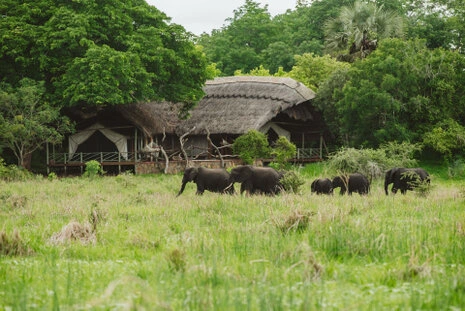
Elephant herd grazing in front of Katavi Wildlife Camp in Katavi National Park, Western Tanzania

Katavi Wildlife Camp · Katavi National Park · Western Tanzania

Katavi Wildlife Camp

A remote photographic safari base on the edge of the Kitasunga Plain and Katuma River system.

Katavi Wildlife Camp is the Katavi base of my June 2027 Ruaha & Katavi Photographic Safari in Tanzania. After the baobabs, elephants, dry riverbeds and predator country of Ruaha, the journey continues west into one of Tanzania’s most remote and least visited wilderness areas.

Katavi changes the rhythm of the safari. Here the visual language is wider, quieter and more elemental: open plains, Miombo woodland, buffalo herds, hippo pools, crocodiles, elephants, predators, dust, distance and the rare feeling of having a vast landscape almost to yourself.

6 Meru-style tents

Six en-suite Meru-style tents with verandas overlooking the Kitasunga Plain.

2 Family suites

Two family suites with shared platforms, hammocks and private plunge pools.

June Safari timing

Included in the June 2027 Ruaha & Katavi fly-in photographic safari.

Wild Remote Tanzania

A camp for photographers looking for silence, space, buffaloes, plains and authentic wilderness.

Camp information at a glance

Location Katavi Wildlife Camp is located in Katavi National Park, Western Tanzania, between Miombo woodland and the Kitasunga Plain, near the Katuma River system.
Camp character An intimate, remote tented safari camp in one of Tanzania’s least visited and most atmospheric wilderness areas.
Setting Open plains, Miombo woodland, Katuma River landscapes, seasonal wetlands, distant horizons and a strong sense of isolation.
Accommodation Six en-suite Meru-style tents, including a honeymoon suite, plus two family suites.
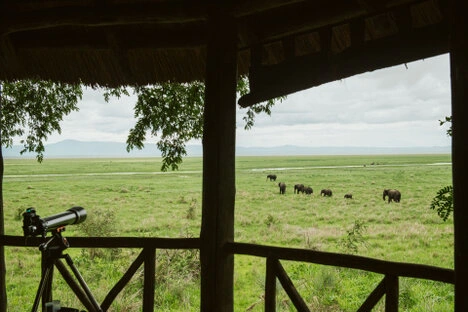
Room features The tents have spacious verandas with hammocks and seating areas, designed for wildlife viewing directly from camp.
Family suites Each family suite consists of two large tents on a shared wooden platform, with a private plunge pool and outdoor space suitable for families or small groups of friends.
Camp atmosphere The camp is unfenced. Wildlife may move close to camp, and guests are accompanied by a Maasai guide between rooms and the lounge area after dark.
Main activities Game drives, private game drives by prior arrangement, guided walking safaris, picnic lunches in the bush and sundowners overlooking the Katuma River.
Best wildlife period The long dry season from June to late October is especially strong, when wildlife concentrates around remaining water sources and game density becomes highly visible.
Wildlife character Large buffalo herds, elephants, hippos, crocodiles, zebras, topi, giraffes, predators, possible African wild dogs, tree-climbing lions and rare species such as puku antelope.
Photographic value Remote plains, buffalo herds, hippo pools, crocodiles, predators, elephants, dust, open horizons, low visitor density and a rare sense of wild Africa.
Role in the safari The Katavi base of the June 2027 Ruaha & Katavi Photographic Safari, after the first safari stage in Ruaha National Park.

Why this camp works for photographers

Katavi Wildlife Camp works well for photographers because it keeps the landscape visually present throughout the day. From the verandas and open areas, the plains, light, wildlife movement and distance remain part of the experience even between game drives.

For Katavi wildlife photography, this is essential. The park is not only about individual sightings. It is about scale, solitude, animal movement, river systems, seasonal wetlands and the feeling of being in one of Tanzania’s last truly remote safari landscapes.

Practical photographic value

  • Excellent base for remote wilderness photography
  • Open plains and river systems for environmental wildlife images
  • Large buffalo herds and strong dry-season wildlife concentration
  • Hippos, crocodiles and water-related wildlife scenes
  • Low visitor density and very few vehicles around sightings
  • Strong contrast with Ruaha’s baobabs, dry riverbeds and predator country

The remote wilderness chapter of the June 2027 safari

The June 2027 Ruaha & Katavi photographic safari is built around contrast and remoteness. Ruaha brings baobabs, elephants, predators, dry riverbeds, birds and dramatic Southern Tanzania light. Katavi then opens the journey into an even quieter and more isolated world of plains, buffalo herds, hippo pools, crocodiles and almost empty horizons.

Katavi Wildlife Camp supports this second part of the safari by placing photographers directly at the edge of the landscape that defines the park: the Kitasunga Plain, the Katuma River system and the broad wilderness atmosphere of Western Tanzania.

Stage 01 Ruaha

Baobabs, dry light, elephants, predators, open country and rugged Southern Tanzania wilderness.

Stage 02 Katavi

Remote plains, buffaloes, hippos, crocodiles, elephants, predators and deep wilderness atmosphere.

Stage 03 Katuma River

Seasonal water, remaining pools, animal concentration, dust, movement and dramatic dry-season scenes.

Portfolio Remote Tanzania

A visual story of space, silence, buffalo herds, water, predators and authentic wilderness.

More than a camp in Katavi

Katavi Wildlife Camp becomes part of the safari experience because the feeling of wilderness begins at camp. The open plains, the movement of animals, the sounds of the bush, the evening light and the very low visitor density all contribute to the photographic rhythm.

After a morning or afternoon activity, the camp gives space to slow down, review images, clean equipment, back up files and prepare for the next field session. On a photographer-led safari, this quiet time is valuable because it helps transform sightings into a more coherent visual story.

Photographic highlights around Katavi Wildlife Camp

  • Large buffalo herds moving across open plains
  • Hippo pools and crocodiles in dry-season river systems
  • Elephants in open wilderness and near remaining water
  • Zebras, topi, giraffes, antelopes and plains wildlife
  • Lions, hyenas and other predators in a remote setting
  • Possible African wild dogs and tree-climbing lions
  • Sunrise, sunset, dust and wide environmental compositions

Why June works in Katavi

June marks the beginning of the dry-season progression in Katavi. The landscape is changing, water becomes increasingly important, and wildlife starts to concentrate more clearly around river systems, floodplains and remaining wet areas.

For photographers, this period offers a powerful balance. The park is still remote and quiet, the visitor density is very low, and the photographic story is already shaped by plains, water, buffaloes, hippos, crocodiles, predators and space.

How I use this stage photographically

  • Use open space to show isolation and scale
  • Photograph buffalo herds as patterns, movement and mass
  • Work around water for hippos, crocodiles and tension
  • Balance close wildlife portraits with wider environmental images
  • Stay longer with promising predator or herd scenes
  • Look for dust, backlight and silhouettes in early or late light
  • Build a final safari portfolio that feels remote, quiet and wild

Photograph Katavi from one of Tanzania’s most remote safari bases

Katavi Wildlife Camp is included in my June 2027 Ruaha & Katavi Photographic Safari in Southern and Western Tanzania. The journey is designed for a small group, generous time in the field and a photographic rhythm focused on light, behaviour, composition and authentic wilderness encounters.

Combined with Ruaha, Katavi creates one of Tanzania’s most distinctive photographic safari routes: baobabs, dry riverbeds, elephants and predators in Ruaha, followed by buffalo herds, hippo pools, crocodiles, plains and deep remoteness in Katavi.

Camp details, room configuration, facilities, activities, opening periods, flight access and availability should always be confirmed at the time of booking, as lodge operations, park conditions and seasonal water levels may change.
Mawe Tented Camp is consistently rated among the highest-reviewed accommodations in Central Serengeti.
If you would like to see what previous guests say about their stay, you can read the latest reviews on TripAdvisor.


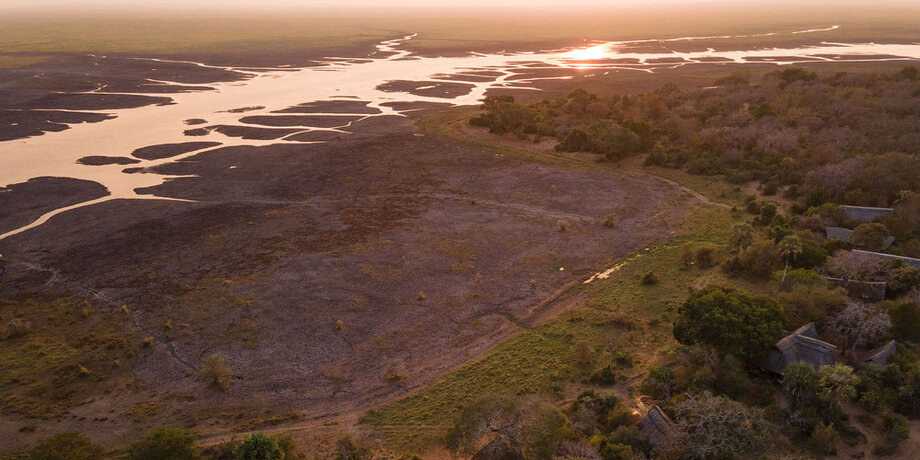
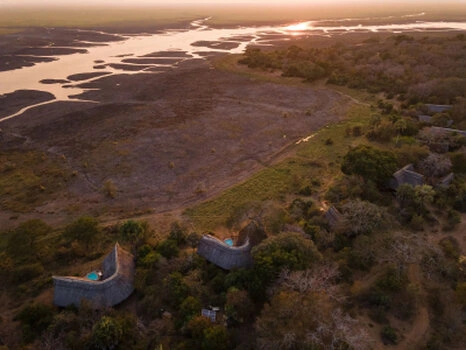
Aerial view of Katavi Wildlife Camp, plains and river systems during a photographic safari in Western Tanzania
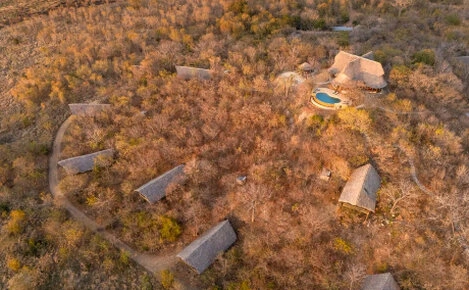
Katavi Wildlife Camp tents surrounded by dry woodland and wilderness in Katavi National Park
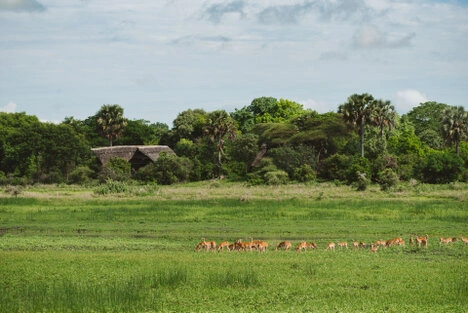
Plains wildlife grazing near Katavi Wildlife Camp in remote Western Tanzania
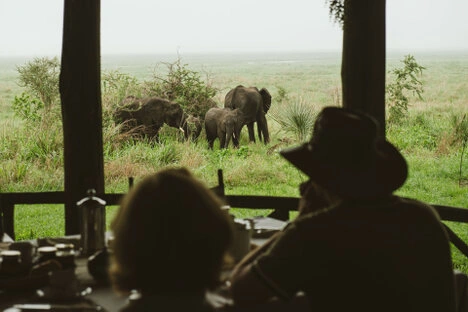
Elephant herd moving through green grass in front of Katavi Wildlife Camp, Tanzania wildlife photography
View from Katavi Wildlife Camp veranda across open plains with buffaloes in the distance
Safari guests watching elephants from Katavi Wildlife Camp during a photographic safari in Tanzania
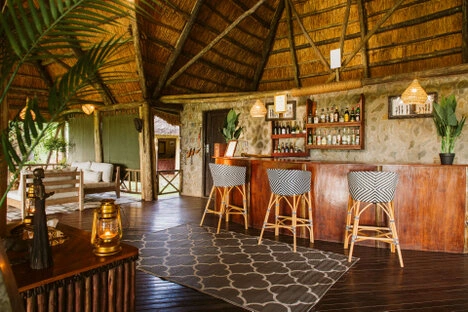
Bar and lounge interior at Katavi Wildlife Camp in Western Tanzania
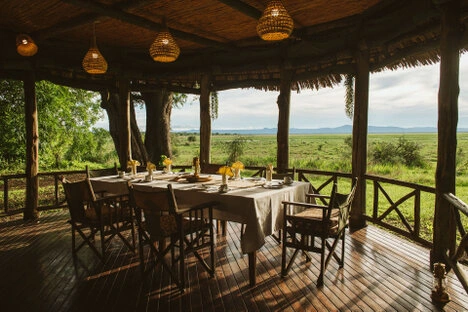
Open dining terrace at Katavi Wildlife Camp overlooking the plains of Katavi National Park
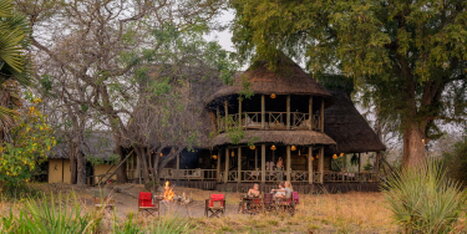
Main lodge building at Katavi Wildlife Camp surrounded by trees and dry wilderness
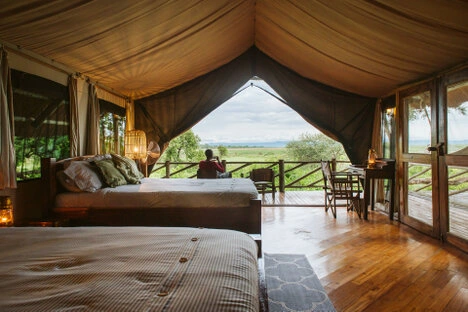
Safari tent interior at Katavi Wildlife Camp with bed and veranda overlooking the plains
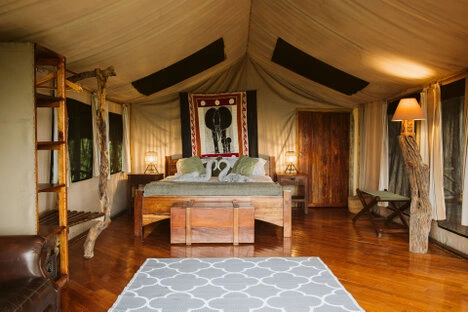
Comfortable tented room at Katavi Wildlife Camp in Katavi National Park
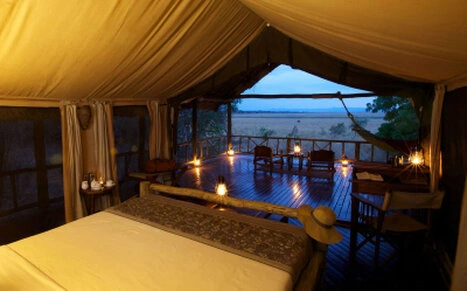
Evening view from a tented room at Katavi Wildlife Camp with private deck and wilderness atmosphere
Back to content