
Wildlife Guide for the Ruaha & Katavi Photographic Safari
Wildlife Guide · June 2027 · Remote Tanzania
Wildlife Guide for the Ruaha & Katavi Photographic Safari
This guide helps photographers understand which animals are most likely to be seen during the June 2027 Ruaha & Katavi photographic safari in Tanzania. The estimates are practical field indicators for two of Tanzania’s most remote and visually powerful national parks. Ruaha offers baobabs, elephants, lions, buffalo, greater kudu and dry river landscapes, while Katavi adds vast plains, large buffalo herds, hippos, crocodiles, elephants and a deep sense of untouched wilderness.
| Species | Ruaha National Park | Katavi National Park | Photographic Interest |
|---|---|---|---|
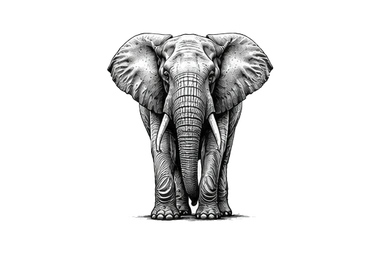 Elephant
|
95% | 85% | Very high |
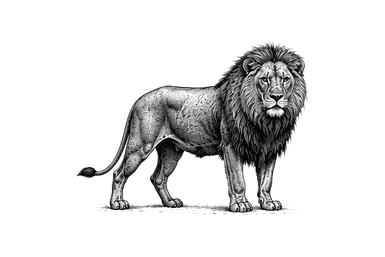 Lion
Lion
|
85% | 70% | Very high |
 Leopard
|
35% | 20% | Very high |
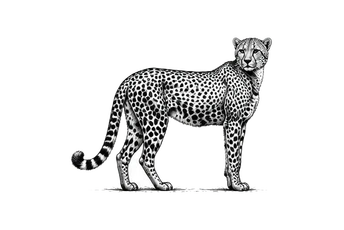 Cheetah
|
20% | 10% | Medium |
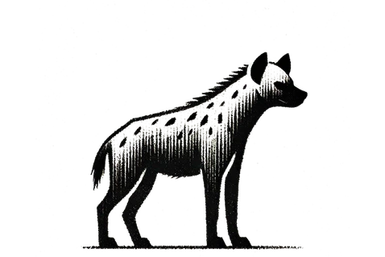 Spotted Hyena
|
70% | 75% | High |
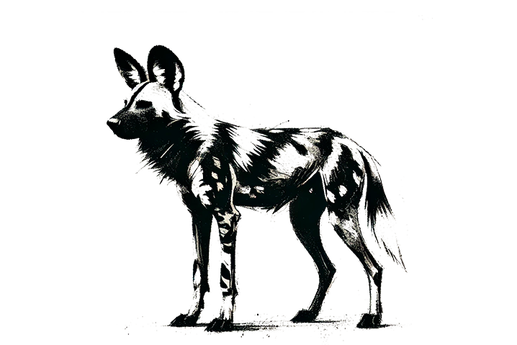 African Wild Dog
|
10% | 5% | Very high |
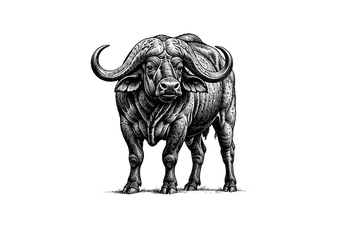 Buffalo
|
90% | 95% | Very high |
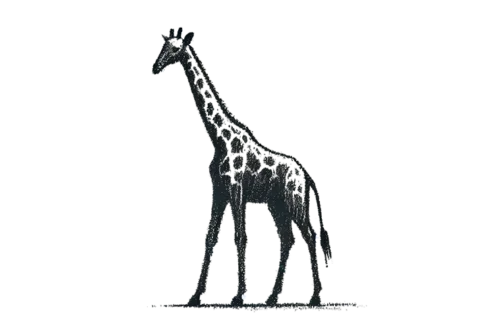 Giraffe
|
90% | 60% | High |
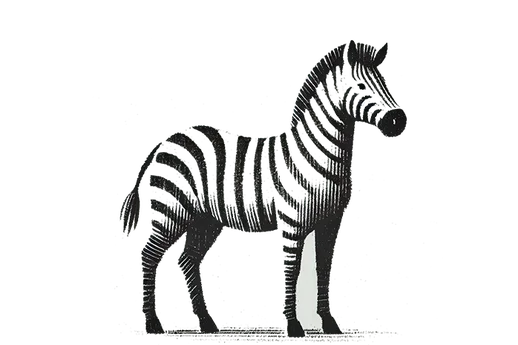 Zebra
Zebra
|
85% | 90% | High |
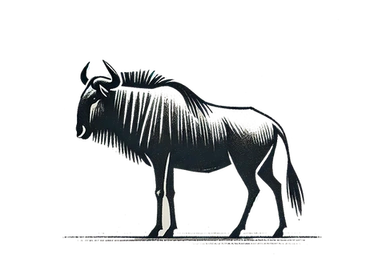 Wildebeest
|
65% | 70% | Medium |
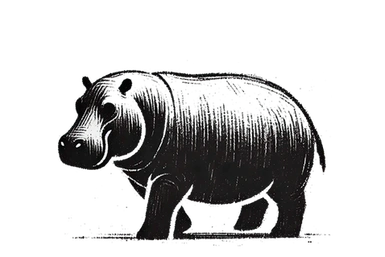 Hippo
Hippo
|
65% | 95% | Very high |
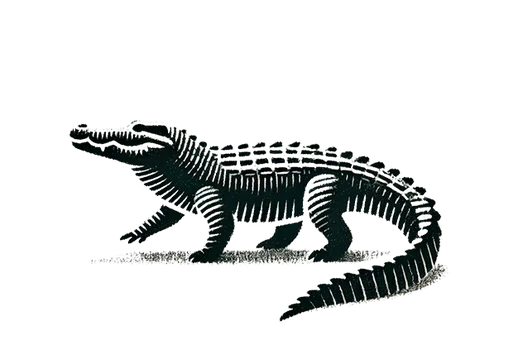 Nile Crocodile
|
50% | 90% | Very high |
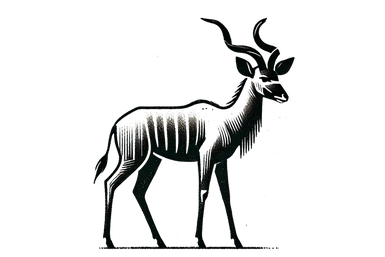 Greater Kudu
|
85% | 25% | Very high |
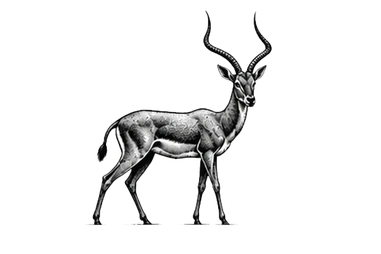 Impala
|
95% | 70% | High |
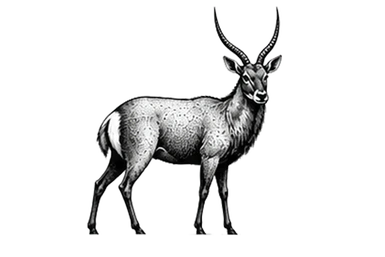 Waterbuck
|
60% | 65% | High |
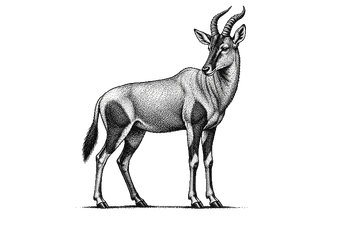 Topi
Topi
|
20% | 85% | High |
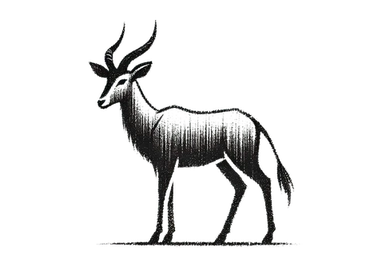 Roan / Sable Antelope
|
25% | 20% | Very high |
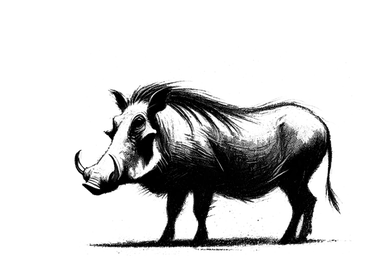 Warthog
|
85% | 80% | Medium |
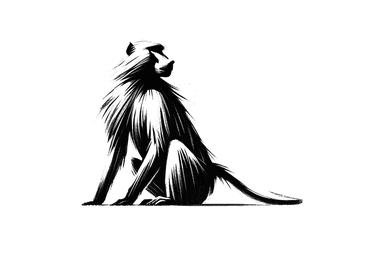 Baboons & Monkeys
|
80% | 70% | Medium |
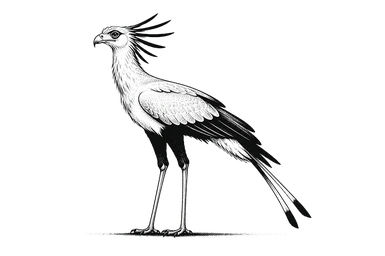 General Birdlife
|
90% | 85% | Very high |
Photographer's Interpretation
Ruaha is especially strong for elephants, lions, greater kudu, buffalo, baobab landscapes and dry-country wildlife photography. Katavi is the wilderness counterpoint: vast plains, large buffalo herds, hippos, crocodiles, elephants and very low visitor density. Together, Ruaha and Katavi create one of the most remote and rewarding photographic safari experiences in Tanzania.
Wildlife Sighting Probabilities in Ruaha and Katavi
The table above gives realistic probability estimates for the June 2027 Ruaha & Katavi photographic safari in Tanzania. These figures are not guarantees, but they help photographers understand the most likely wildlife subjects and the photographic character of each park.
Ruaha National Park: Elephants, Lions and Baobabs
Ruaha is one of Tanzania’s most visually powerful safari destinations. Elephants, lions, giraffes, buffalo, greater kudu, dry riverbeds and baobab landscapes create excellent conditions for wildlife photography. The park often offers a strong sense of space, wilderness and dramatic African light.
Katavi National Park: Remote Plains and Buffalo Herds
Katavi is one of Tanzania’s least visited and most remote national parks. Its plains, wetlands and river systems can produce outstanding photographic scenes, especially with buffalo herds, elephants, hippos, crocodiles, zebras and plains wildlife. The low number of visitors gives the park a rare wilderness atmosphere.
Predator Photography in Ruaha and Katavi
Lions are the most reliable large predators on this itinerary, especially in Ruaha. Leopards occur in both parks but require patience and good luck. Cheetahs and African wild dogs are possible but should be considered special sightings rather than expected encounters.
Hippos, Crocodiles and River Photography in Katavi
Katavi is particularly rewarding for hippos and crocodiles, especially around river systems and remaining water sources. These scenes can be intense, atmospheric and very different from the more classic vehicle-based wildlife photography of other Tanzanian parks.
Bird Photography Opportunities
Both Ruaha and Katavi offer strong bird photography opportunities. Ruaha is excellent for raptors, dry-country birds and colourful species, while Katavi adds wetland and plains birdlife. Birds are an important part of the photographic value of this safari, especially during quieter moments between large mammal sightings.
Why Ruaha and Katavi Work Well Together
The strength of this photographic safari in Tanzania lies in the contrast between the two parks. Ruaha offers baobabs, elephants, lions and rugged dry-country scenery. Katavi offers remoteness, plains, buffalo herds, hippos, crocodiles and a deep wilderness feeling. Together, they create a rare and highly distinctive photographic safari route.
Ruaha & Katavi · June 2027
Photograph two of Tanzania’s wildest national parks
Join a dedicated small-group photographic safari combining Ruaha’s elephants, lions, greater kudu and baobab landscapes with Katavi’s buffalo herds, hippos, crocodiles, remote plains and exceptional wilderness atmosphere.
View the June 2027 Ruaha & Katavi Photographic Safari