


An Off-the-Beaten-Track Photographic Safari Through Tarangire, Lake Natron and Mkomazi
November in northern Tanzania is a beautiful and often underestimated time of year — greener landscapes, dramatic skies, softer light, and far fewer vehicles. This 10-day photographic safari was designed specifically to avoid the classic northern circuit that usually continues from Tarangire straight to Ngorongoro and the Serengeti.
Instead, my four guests and I followed a more unusual route: Tarangire National Park, then Lake Natron, and finishing in the wild and quiet plains of Mkomazi National Park. The goal was simple: to experience a different, more intimate side of Tanzania — escaping the crowds, slowing the rhythm down, and reconnecting with nature in a more personal way.
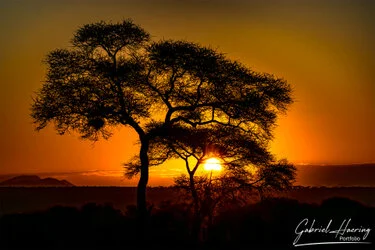
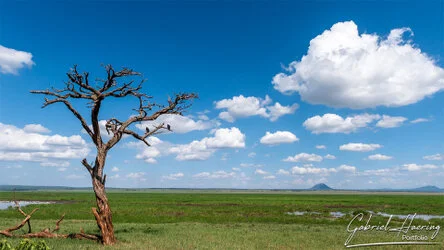
Tarangire National Park – Baobabs, Elephants & Golden Light
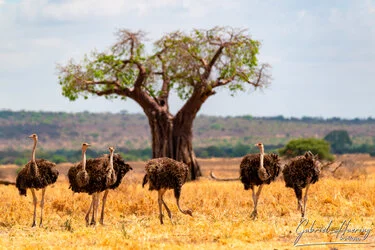
We started our safari in Tarangire, leaving Arusha behind and quickly entering a world of ancient baobabs, open savannah, and winding riverbeds. Even in November, Tarangire delivered exactly what I love most about it: a strong sense of place and wildlife encounters that feel natural and unhurried.
Highlights here included:
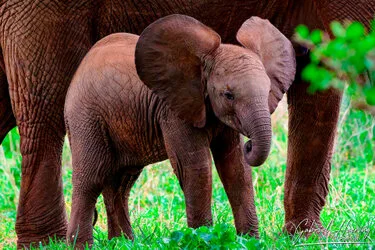
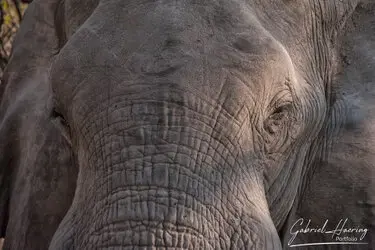
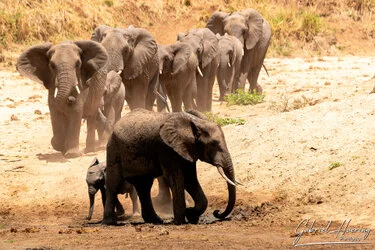
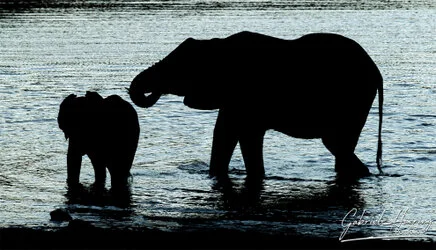
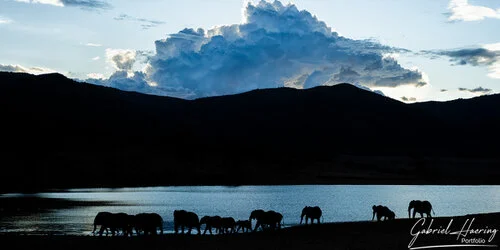
- Large elephant families moving across open clearings
- Cheetahs resting in the shade, allowing calm portrait opportunities
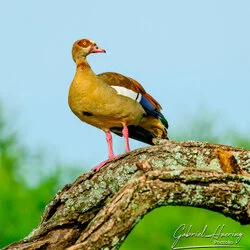
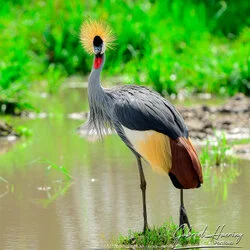
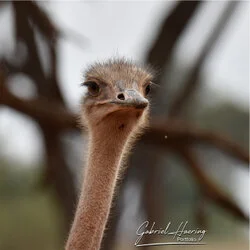
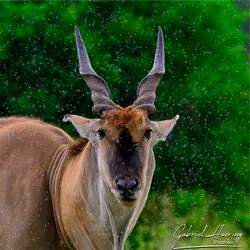
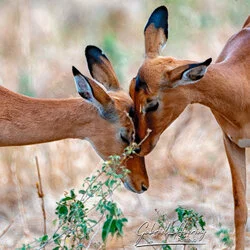
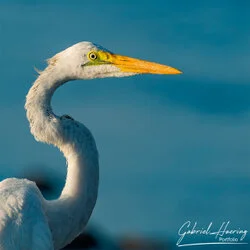
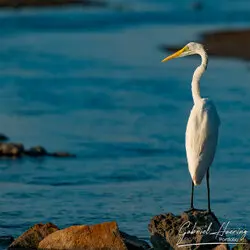
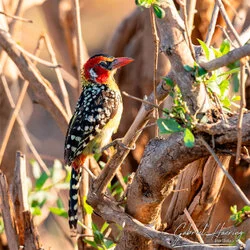
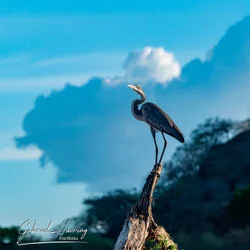
- Fantastic bird photography, with colourful species thriving after the rains
Lake Natron – flamingos, profound silence, and the presence of sacred Ol Doinyo Lengai
From Tarangire we headed north to Lake Natron, one of the most unique landscapes in Tanzania. The drive itself is part of the experience: the scenery changes dramatically and, kilometre after kilometre, the feeling of being truly far away from everything grows stronger.
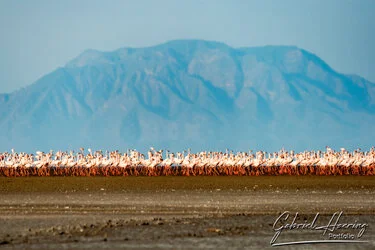
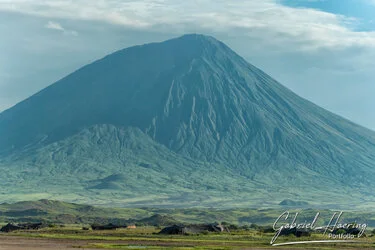
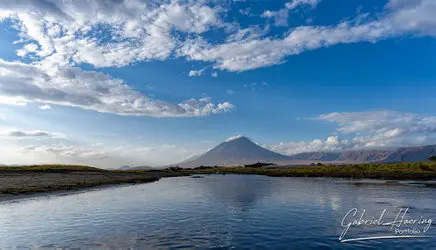
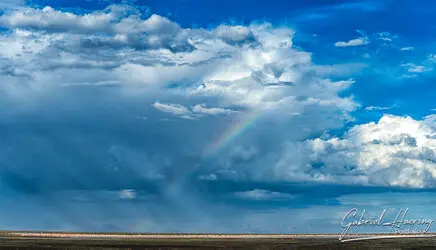
Lake Natron is not a place defined by the classic density of big game. What matters here is atmosphere, texture, and space. The alkaline flats, the majestic backdrop of the Rift Valley, the vast horizons, and the immense skies create an almost surreal photographic setting. Dominating the landscape is also Ol Doinyo Lengai, the sacred volcano of the Maasai, which at times appears clear and sharply defined on the horizon, and at other times wrapped in a cap of clouds that makes it even more fascinating.
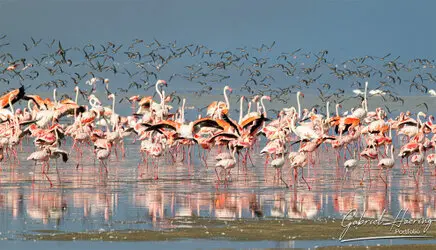
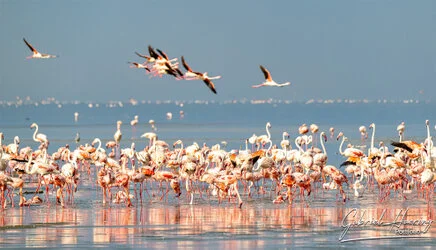
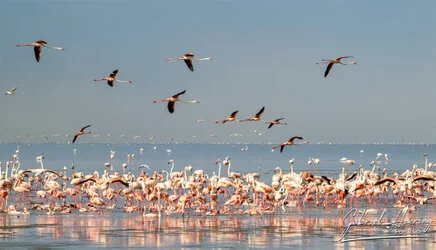
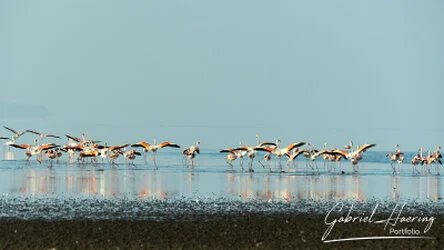
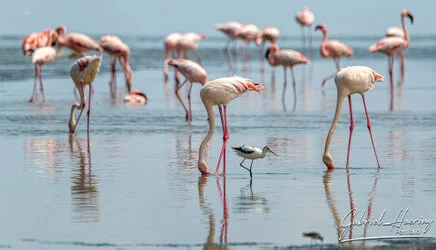
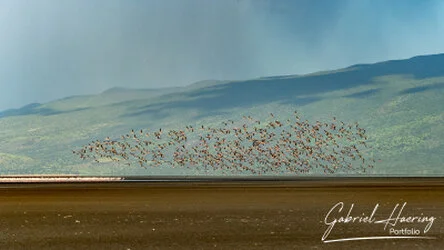
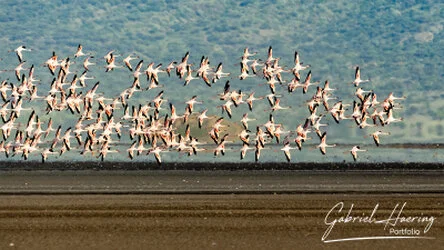
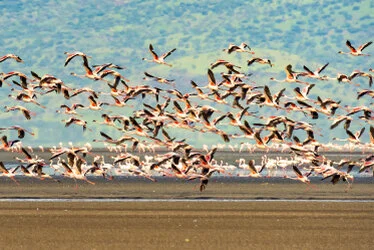
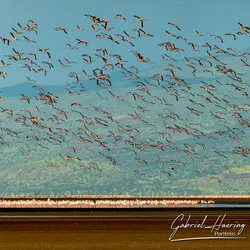
And of course, the flamingos brought life and movement to this essential and minimalist landscape.
Some of the most beautiful moments came at sunrise and sunset:
- flamingos glowing in warm, delicate light
- reflections and patterns in the shallow water
- the dramatic presence of Ol Doinyo Lengai in the background
- the grandeur of the Rift Valley framing the entire landscape
- long sessions without interruptions, without rushing, and without crowds
All four guests told me how much they appreciated this part of the safari, not only for the photography, but also for the calm and quiet that are becoming increasingly rare in more visited areas.
Mkomazi National Park – Wilderness, Black Rhinos & Open Plains
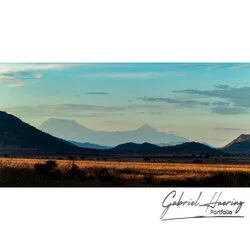
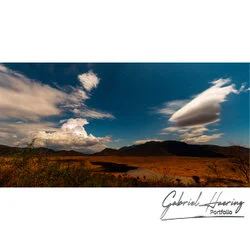
Our final destination was Mkomazi National Park, and it delivered exactly what we were hoping for: a real sense of wilderness, huge open spaces, and a park that still feels wonderfully off the main safari map. Bordering the greater Tsavo ecosystem, Mkomazi has a distinctive character — open plains, thorn scrub, distant hills, and dramatic skies that make every drive feel like an expedition rather than a routine game drive.
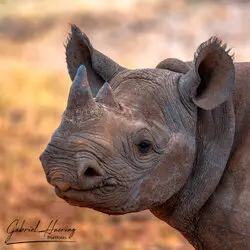
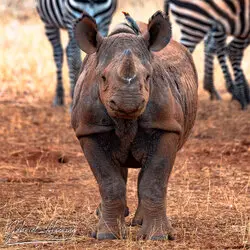
One of the biggest highlights of the entire safari was our encounter with the black rhino. Seeing this rare and iconic animal in such a quiet setting was truly special, and it immediately became one of those moments the group will remember for a long time — not just for the sighting itself, but for the feeling of privilege that comes with it.
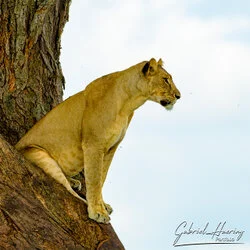
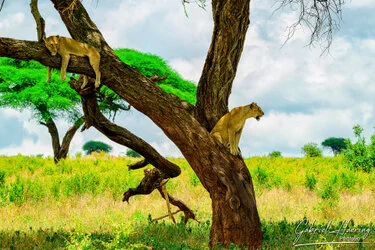
We also had excellent sightings of lions, including relaxed individuals that allowed us time for strong photographic work: clean compositions, intimate portraits, and behaviour details without the pressure of other vehicles arriving and pushing the pace.
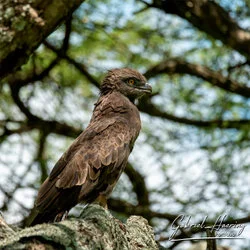
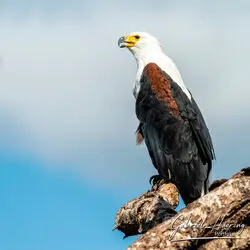
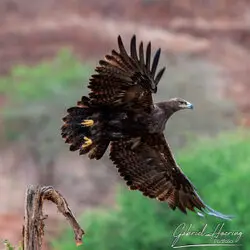
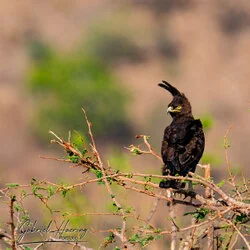
Birdlife in Mkomazi was outstanding. We saw many eagles, offering a constant stream of opportunities for perched portraits, scanning behaviour, and flight photography against the open sky — a dream scenario for anyone who loves raptors.
And of course, we spent quality time with elephants, moving through the bush and across open ground in beautiful light, often with no other vehicles anywhere nearby.
Other highlights during our Mkomazi days included:
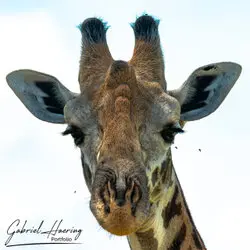
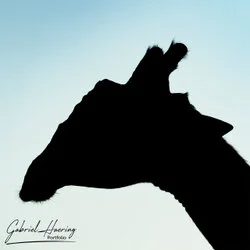
- Giraffe browsing quietly among acacia, perfect for elegant side-light images
- Zebra and hartebeest grazing together on the plains, creating classic “open habitat” scenes
- Black Rhino sanctuary with big male and young cub
- The simple luxury of time: staying with sightings as long as we wanted, working angles, waiting for better light, and letting moments unfold naturally
What made Mkomazi truly stand out wasn’t only the wildlife — it was the atmosphere. It felt calm, spacious, and authentic, and it was the perfect ending to this 10-day itinerary designed specifically to escape the busy northern circuit. My four guests repeatedly commented on how much they appreciated this quieter side of Tanzania, and how deeply rewarding it was to experience nature without crowds, noise, or constant vehicle pressure.
Final Reflections – A Different Northern Tanzania, and a Huge Success
This delivered exactly what we hoped for: a journey through northern Tanzania that felt unique, quiet, and deeply connected to nature.
The variety between Tarangire’s baobabs and elephants, Natron’s otherworldly landscapes, and Mkomazi’s open wilderness created an experience that was both diverse and cohesive.
Most importantly, my four guests genuinely appreciated and enjoyed this itinerary. They repeatedly mentioned how refreshing it was to avoid the busy routes, how much they valued the peaceful rhythm of the trip, and how the lack of crowds made the wildlife encounters feel more authentic and personal.
This was not a safari built around “must-see checklists” — it was built around experience, light, silence, and discovery. And it worked perfectly.