


Photo Safari Report: Tarangire, Ngorongoro & Serengeti (Grumeti) in June
June is one of the months I enjoy most in northern Tanzania. The dry season has already settled in, the air feels clearer, the vegetation opens up, and wildlife starts gathering more predictably around water and feeding areas. But what I appreciate even more is that June still sits just before the busiest part of the season. There is space, calm, and a sense that the safari can still unfold at a natural rhythm.
This journey followed one of Tanzania’s classic routes: Tarangire National Park, the Ngorongoro Crater and Conservation Area, and finally the Serengeti, with time spent in the Grumeti region before the guests continued on to Zanzibar. On paper it may sound like a well-known itinerary. In reality, when done at the right pace, it can still feel deeply personal and full of atmosphere.
For me, this safari was never about rushing from one sighting to the next. It was about experiencing these places properly: taking time, escaping the pressure of a checklist, enjoying the changing landscapes, and waiting for those moments when wildlife, light and setting come together naturally. That is where the real beauty of a photographic safari begins.
This June dry-season photographic safari through Tarangire National Park, the Ngorongoro Crater & Conservation Area, and the Serengeti (Grumeti region) is a memorable journeys — combining iconic wildlife, dramatic dry-season light and exceptional photography opportunities.
Interested in your own photographic safari in Tanzania?
These tailor-made safaris are designed for people who want more than a typical tour, with crowd-free routes and time for creative photography.
Interested in your own photographic safari in Tanzania?
Explore our detailed itineraries and contact us to plan yours:
Tarangire – Dust, Elephants and the Presence of Baobabs
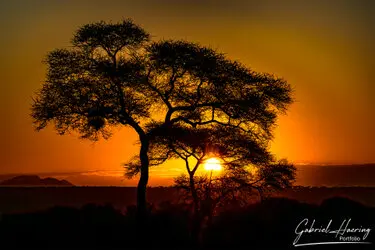
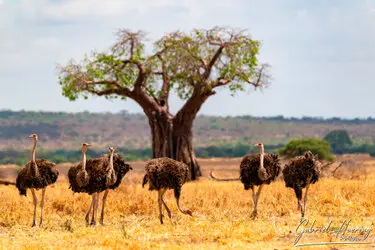
We began in Tarangire, and it immediately felt like the dry season had given the park its most photogenic face. The light was warm, the tracks were dusty, and the great baobabs stood over the landscape with that quiet authority that always makes Tarangire feel different from anywhere else in northern Tanzania.
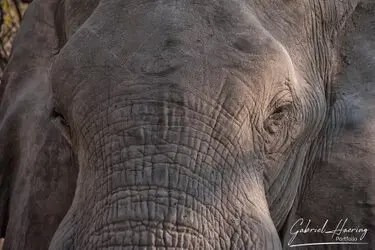
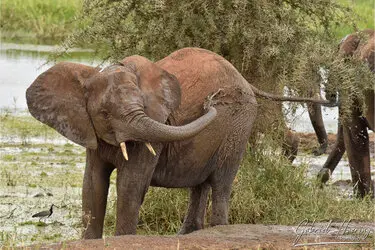
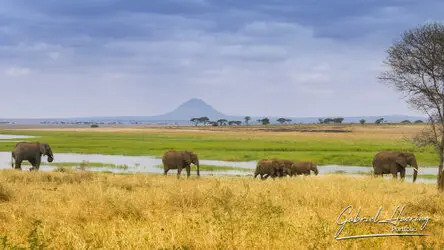
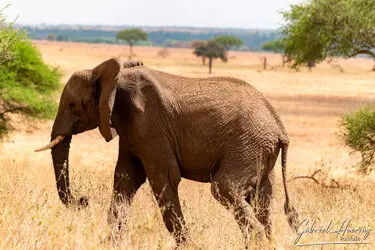
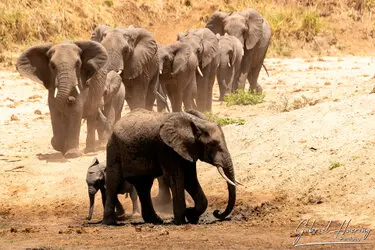
From the very first drives, elephants shaped the rhythm of our days. In Tarangire, elephant encounters are rarely just about numbers. What stays with me is the way families move through the bush with calm purpose, sometimes crossing an open area so beautifully that the entire scene seems composed already before lifting the camera. In the dry season, dust often hangs in the air behind them, and that alone can transform a simple sighting into something far more atmospheric.
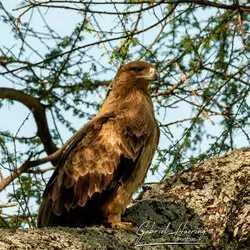
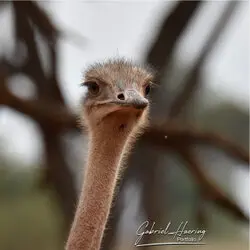
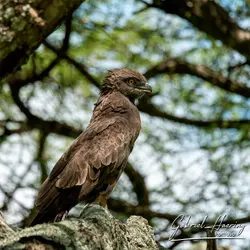
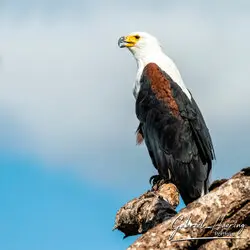
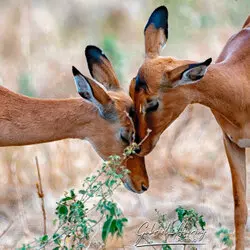
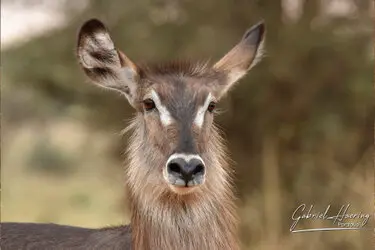
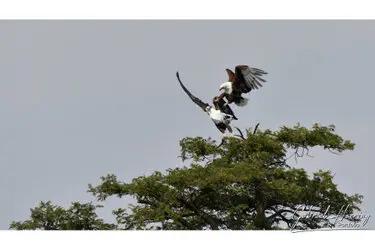
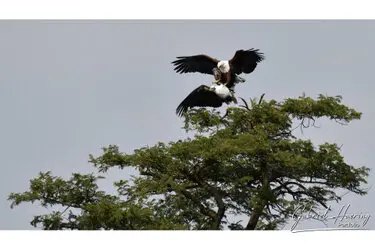
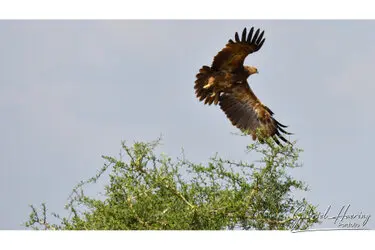
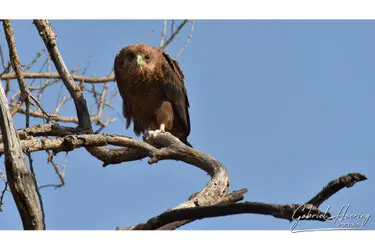
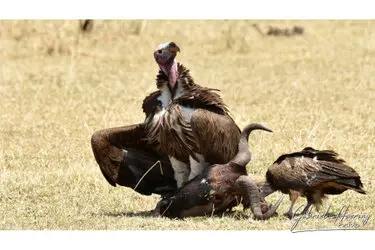
There were also many of the details that make this park so rewarding photographically: ostriches moving through open country, eagles perched quietly above the plains, antelope standing in perfect morning light, and wide scenes where wildlife could be placed within the landscape instead of isolated from it. Tarangire always gives me the feeling of a safari beginning well — not in a rushed or dramatic way, but with depth, texture and confidence.
By the time we left, the tone of the journey had already been set: iconic wildlife, yes, but also silence, space and the kind of visual atmosphere that makes you want to slow down and look longer
Ngorongoro – Entering Another World
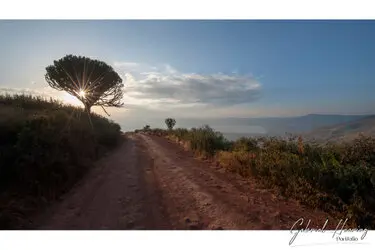
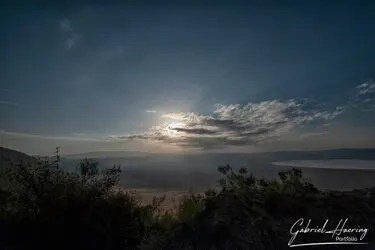
From Tarangire we continued toward the Ngorongoro highlands, and the transition itself is always part of the experience. The landscape changes, the air becomes cooler, and there is a growing sense of anticipation as you approach the crater rim. Then comes that first view — a view I never get tired of — when the whole crater opens beneath you like a world contained within itself.
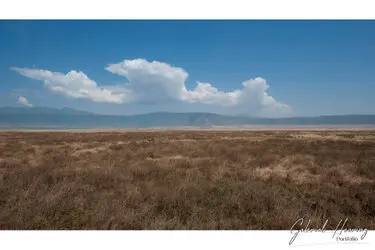
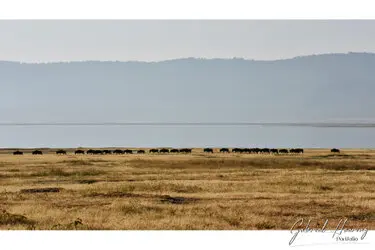
Descending into Ngorongoro is one of those safari moments that still feels special no matter how many times you do it. Once on the crater floor, everything feels concentrated: the scale of the caldera, the movement of wildlife across the grasslands, the wetlands, the forest edges, the ever-changing distance between drama and stillness. It is one of the few places where abundance and grandeur exist at the same time.
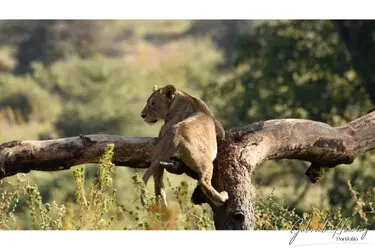
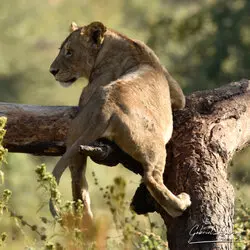
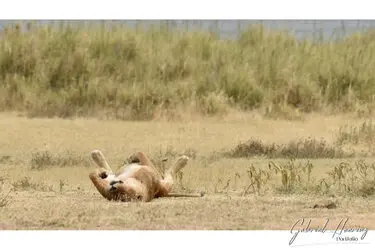
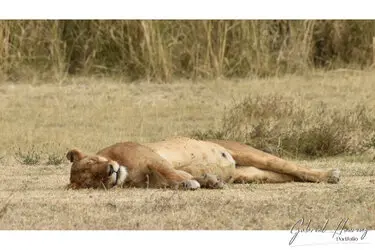
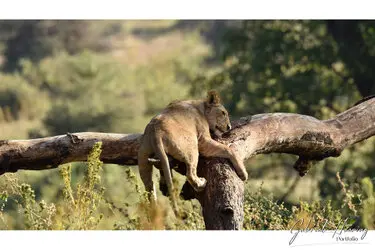
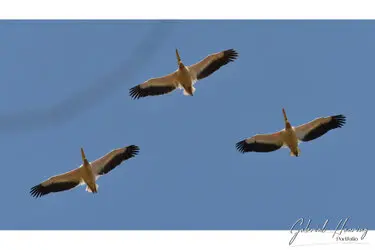
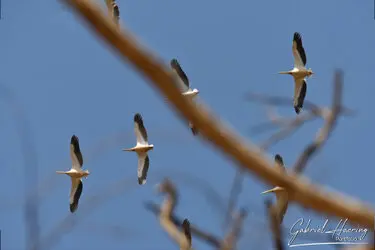
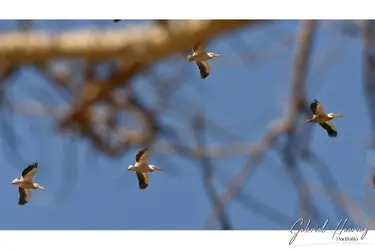
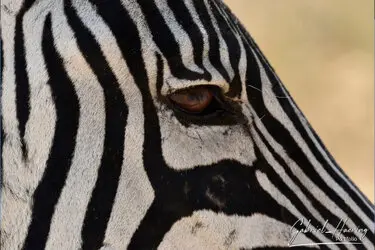
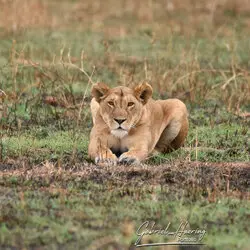
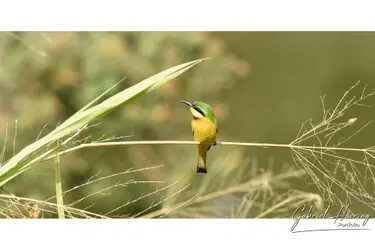
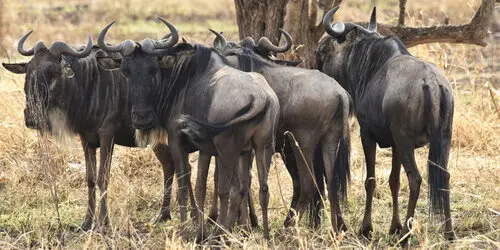
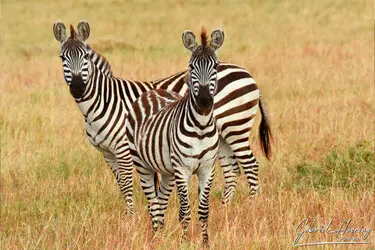
We spent a full and rewarding day exploring there, with lions, zebra, wildebeest and birdlife adding life to a landscape that already feels extraordinary even before the first sighting. I always find that Ngorongoro is not only about what you see, but about how it makes you feel: as if you have entered a vast natural amphitheatre where every subject appears against a background of scale.
Beyond the crater itself, the wider Conservation Area offered a completely different mood from Tarangire. There was more openness, more transition, and more of that feeling of travelling through a living landscape rather than simply moving between wildlife sightings. It was the perfect bridge before the final part of the journey.
The Flight to Grumeti – Seeing the Land From Above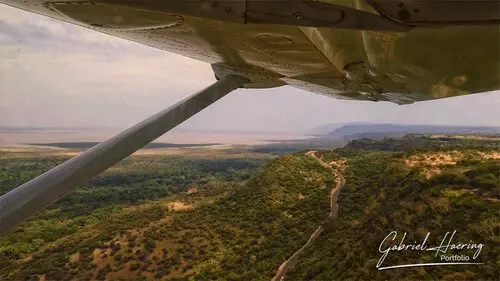
One part of this itinerary that I particularly enjoy is the flight from Lake Manyara to the Grumeti area of the Serengeti. It is not just a transfer. It changes your perception of the whole safari. From the air, northern Tanzania reveals its true scale, and the route you have travelled suddenly becomes part of a much larger geography.
I always like this moment because it resets the journey. Tarangire and Ngorongoro belong to one rhythm; arriving in Grumeti begins another. The moment we landed, the atmosphere changed. There were fewer vehicles, more silence, and that immediate feeling of stepping into a more remote, more spacious Serengeti. For photographers, that shift matters enormously.
Grumeti – A Quieter Serengeti
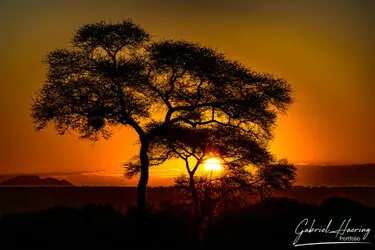
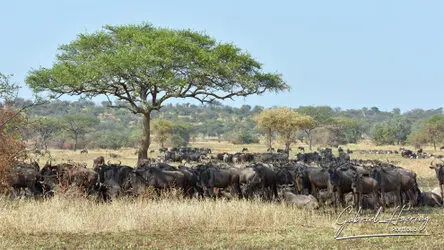
The Grumeti region offers what many people imagine when they dream of the Serengeti, but with a calmer tempo. Rolling plains, riverine woodland and open spaces create classic scenery, yet the real luxury here is time. Time to observe. Time to wait. Time to let a sighting develop instead of feeling pushed onward.
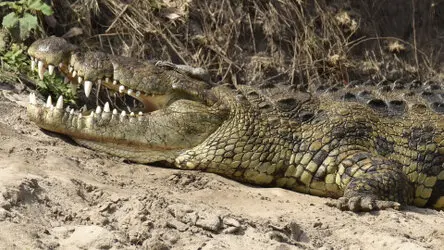
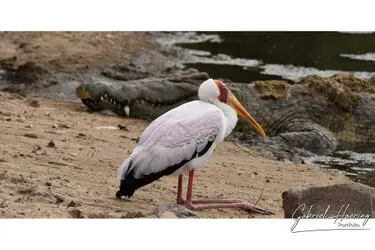
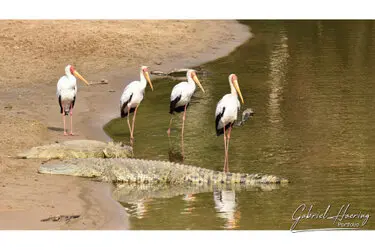
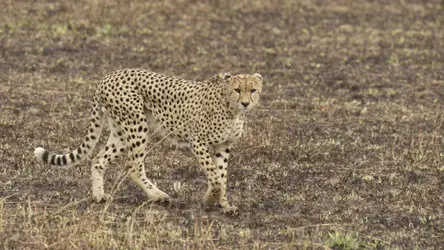
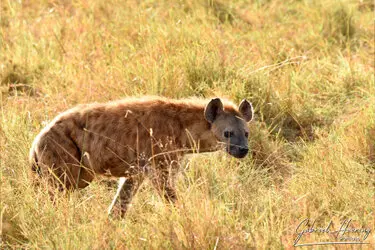
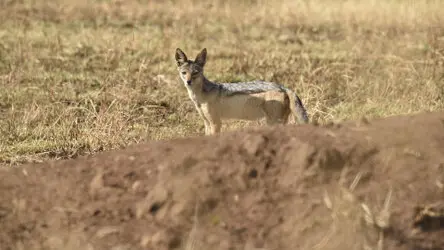
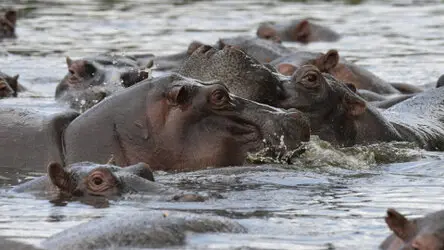
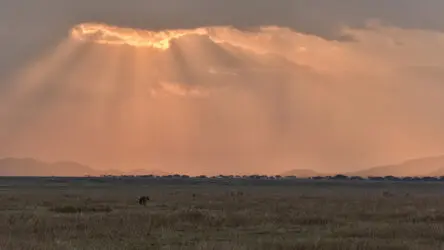
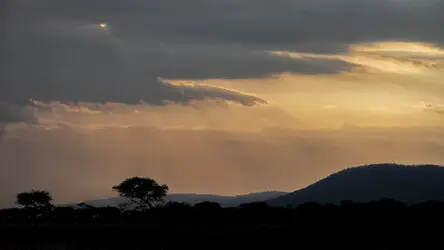
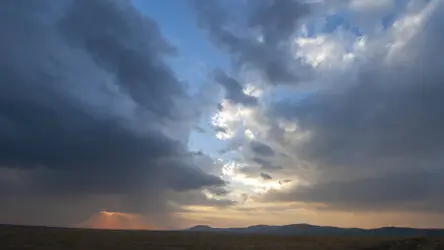
That was exactly what made our days there so memorable. We were able to stay longer with wildlife, to follow behaviour, to watch light improve, and to work scenes from different angles rather than accepting the first quick image and moving on. This is the kind of safari rhythm I value most, because it gives both photographers and non-photographers the chance to become fully present in the moment.
For me, Grumeti is not only about game viewing. It is about atmosphere. It is about feeling far from the busier circuits and rediscovering what the Serengeti can be when there is still room to breathe. By the end of our stay, that sense of remoteness and quiet had become one of the strongest memories of the whole journey.
From the Bush to the Indian Ocean
After our final days in the Serengeti, the guests flew on to Zanzibar. I have always liked this combination: a safari that feels immersive and intense, followed by time at the coast to slow down in a completely different way. Tanzania is one of the rare places where that transition feels natural rather than forced.
Final Reflections
What I appreciated most about this journey was that it confirmed something I have felt for a long time: even a classic northern Tanzania route can still feel special when it is timed well, paced properly and approached with patience. June gave us all the advantages of the dry season — better visibility, beautiful light and concentrated wildlife — but still with a calmer atmosphere than the peak months that follow.
This was not a safari about covering distance or collecting as many sightings as possible. It was about experiencing Tarangire, Ngorongoro and the Serengeti in a way that felt quiet, natural and meaningful. And in the end, that is what I want a photographic safari in Tanzania to be: not only productive, but memorable.