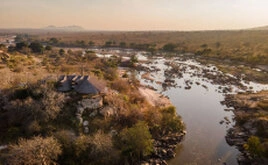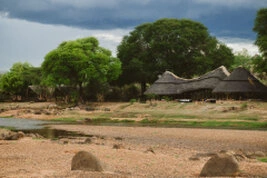
Ruaha River Lodge
Ruaha River Lodge · Ruaha National Park · Southern Tanzania
Ruaha River Lodge
A riverfront photographic safari base in the wild heart of Ruaha National Park.
Ruaha River Lodge is the Ruaha base used in my Southern Tanzania photographic safaris. It is included both in the November 2026 Nyerere & Ruaha Photographic Safari and in the June 2027 Ruaha & Katavi Photographic Safari.
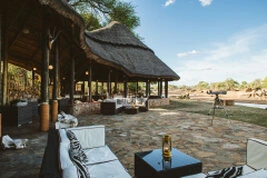
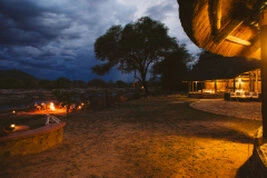
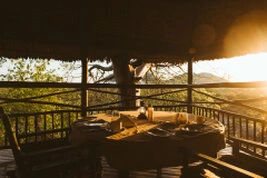
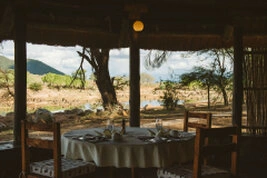
Set along the Great Ruaha River, the lodge is more than accommodation. It is part of the photographic experience itself: riverbeds, baobabs, elephants, birds, predators, dry light, wide views and the feeling of being deeply inside one of Tanzania’s most atmospheric wilderness areas.
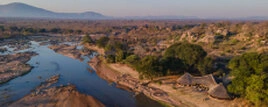
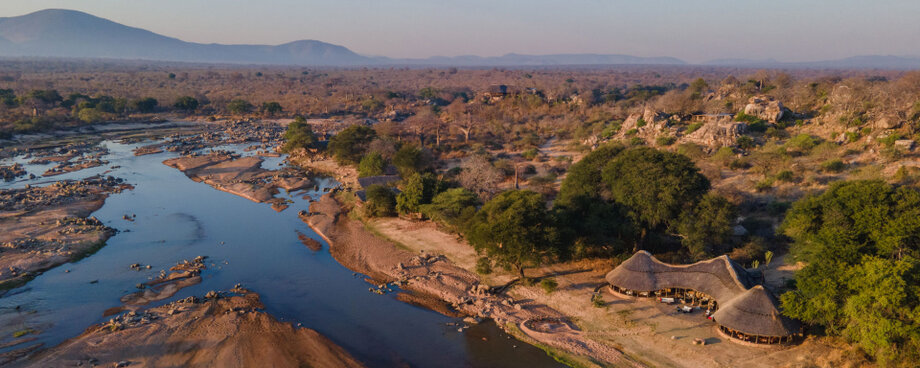
The lodge is positioned along the Great Ruaha River, one of the park’s key visual and wildlife corridors.
Dry-season months are especially strong for wildlife activity around remaining water sources.
Ruaha becomes especially rich for birdlife during the wetter season, when migratory birds increase diversity.
Used in both Nyerere & Ruaha and Ruaha & Katavi photographer-led safari routes.
Lodge information at a glance
| Location | Ruaha River Lodge is located inside Ruaha National Park, along the Great Ruaha River in Southern Tanzania. |
|---|---|
| Lodge character | A long-established riverfront safari lodge with a strong sense of remoteness and direct connection to the surrounding wilderness. |
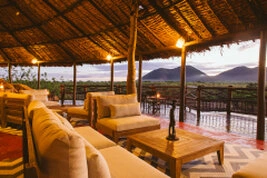
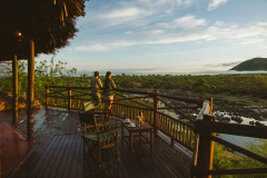
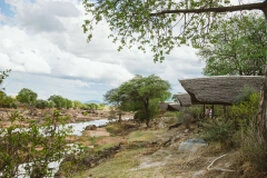
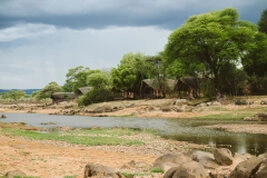
| Setting | River views, rocky landscapes, dry riverbeds, baobabs, open woodland and constant changes of light across the Great Ruaha River corridor. |
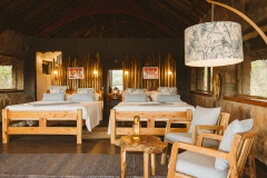
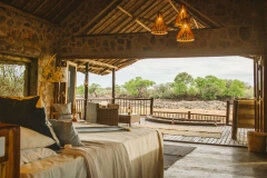
| Accommodation | Spacious bandas or stone-and-thatch style rooms integrated into the natural setting, with private verandas overlooking the river or surrounding landscape. |
| Room character | Simple, comfortable and authentic safari accommodation, designed to keep guests close to the feeling of being inside Ruaha. |
| Main activities | Game drives, guided walking safaris, bush breakfasts, sundowners and photographic exploration along the Great Ruaha River and surrounding wilderness areas. |
| Best wildlife period | The dry season is usually strongest for wildlife viewing, as animals concentrate around remaining water sources along the river. |
| Green and wet-season value | Short rains and wetter periods bring changing skies, richer vegetation and increased bird activity, including migratory species. |
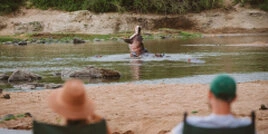
| Wildlife character | Elephants, lions, leopards, giraffes, buffaloes, antelopes, birds, crocodiles, hippos and a strong sense of Southern Tanzania wilderness. |
| Photographic value | Baobabs, dry light, river scenery, elephants near water, predators, dust, rocky outcrops, birdlife and environmental wildlife photography. |
| Role in the safari | The Ruaha base for both the November 2026 Nyerere & Ruaha Safari and the June 2027 Ruaha & Katavi Safari. |
Why this lodge works for photographers
Ruaha River Lodge works particularly well for photographers because the landscape remains visually present even outside the vehicle. The river, the dry banks, the trees, the changing light and the possibility of wildlife around the lodge help keep the safari atmosphere alive throughout the day.
For Ruaha wildlife photography, this matters. The park is not only about close animal encounters. It is about the relationship between wildlife, baobabs, dust, rock, riverbeds, heat, distance and silence.
Practical photographic value
- Strong setting along the Great Ruaha River
- Excellent base for environmental wildlife photography
- Elephants, predators, birds and riverine wildlife possibilities
- Baobabs, dry riverbeds, dust and warm Southern Tanzania light
- Good transition after Nyerere or before Katavi
- Time for image review, equipment care and slower observation
The Ruaha chapter of two Southern Tanzania photographic safaris
Ruaha River Lodge is important because Ruaha itself is important. In the November 2026 itinerary, Ruaha creates a dramatic contrast with Nyerere: after the river systems, reflections and water-based photography of Nyerere, Ruaha brings dry light, baobabs, elephants, predators and rugged wilderness.
In the June 2027 itinerary, Ruaha becomes the first part of an even more remote Southern Tanzania journey, before continuing to Katavi. Together, Ruaha and Katavi create a safari for photographers who are drawn to space, buffaloes, predators, baobabs, dust, silence and very low visitor density.
River landscapes, reflections, hippos, crocodiles, elephants, birds and boat safari perspectives.
Baobabs, dry light, elephants, predators, riverbeds and rugged Southern Tanzania wilderness.
Remote wilderness, buffaloes, hippos, predators, open space and a deeper sense of isolation.
A complete photographic story of rivers, baobabs, dust, predators, birds and authentic wilderness.
More than a lodge in Ruaha
Ruaha River Lodge becomes part of the safari experience because it keeps you close to the landscape. The Great Ruaha River, the dry banks, the trees, the birds, the changing light and the feeling of being deep inside the park all contribute to the photographic rhythm.
After morning and afternoon game drives, the lodge gives space to slow down, review images, clean equipment, back up files and let the atmosphere of Ruaha settle. This is especially valuable during a photographer-led safari, where learning often continues between field sessions.
Photographic highlights around Ruaha River Lodge
- Elephants moving through dry woodland or near the river
- Lions, leopards and other predators in open country
- Baobab landscapes and dry riverbeds
- Bird photography in riverine and woodland habitats
- Warm dust, backlight, silhouettes and textured landscapes
- Rocky outcrops, wide views and environmental wildlife images
- Quiet wilderness atmosphere with fewer vehicles than northern circuits
Why Ruaha feels different
Ruaha feels different from many better-known safari areas because it gives more space to the landscape. Sightings are often less crowded, the park feels wilder, and the photographic language is shaped by distance, dust, baobabs and dry light.
This makes the lodge a strong base for photographers who want more than a checklist of species. Ruaha rewards patience, atmosphere and the ability to see animals as part of a wider wilderness composition.
How I use this stage photographically
- Look for animals within the landscape, not isolated from it
- Use baobabs, riverbeds and rocky outcrops as visual anchors
- Work carefully with dust, backlight and warm dry-season tones
- Stay longer with promising predator or elephant scenes
- Balance close wildlife portraits with wider environmental images
- Use quieter moments to photograph birds, details and atmosphere
- Build a portfolio that reflects Ruaha’s wild, rugged character
Photograph Ruaha from one of its classic riverfront bases
Ruaha River Lodge is included in my Southern Tanzania photographic safaris. It is used in the November 2026 Nyerere & Ruaha Photographic Safari and in the June 2027 Ruaha & Katavi Photographic Safari.
From this lodge, Ruaha becomes more than a destination. It becomes a photographic chapter of baobabs, elephants, predators, dry light, riverbeds, birds and the quiet strength of one of Tanzania’s most authentic wilderness areas.
Lodge details, room configuration, facilities, activities, opening periods and availability should always be confirmed at the time of booking, as lodge operations, park conditions and seasonal river levels may change.