
Scheduled safari · 2027
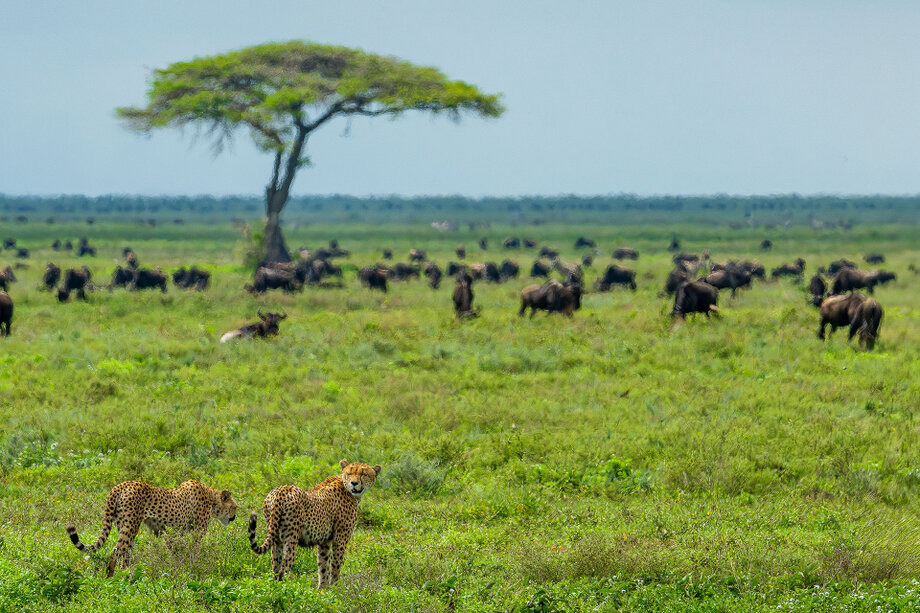
Great Migration Calving Season
Tarangire · Ngorongoro · Ndutu · Serengeti
- Guests
- 2–4 guests
- Dates
- 18–27 January 2027
Choose one of three scheduled journeys or create a bespoke safari around your dates and photographic interests.
Tarangire · Ngorongoro · Ndutu · Serengeti
Ruaha · Katavi · Fly-in safari
Nyerere · Ruaha · Fly-in safari
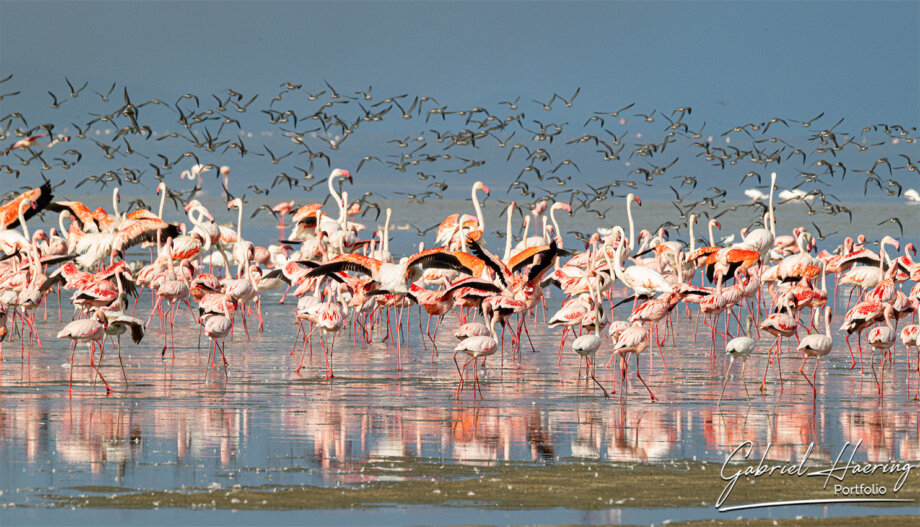
Your parks · Your interests · Your pace
Not sure which journey to choose? Find your safari with the Safari Planner →
A Tanzania photographic safari is not simply a Tanzania safari where you bring a camera. It is a slower and more attentive way of travelling, shaped around light, wildlife behaviour, background, atmosphere and the time required for an encounter to develop naturally.
On a conventional safari, a vehicle may leave once an animal has been seen. On a Tanzania photo safari, the first sighting is often only the beginning. We may wait for the subject to move, the light to change, the background to become cleaner or a meaningful interaction to unfold.
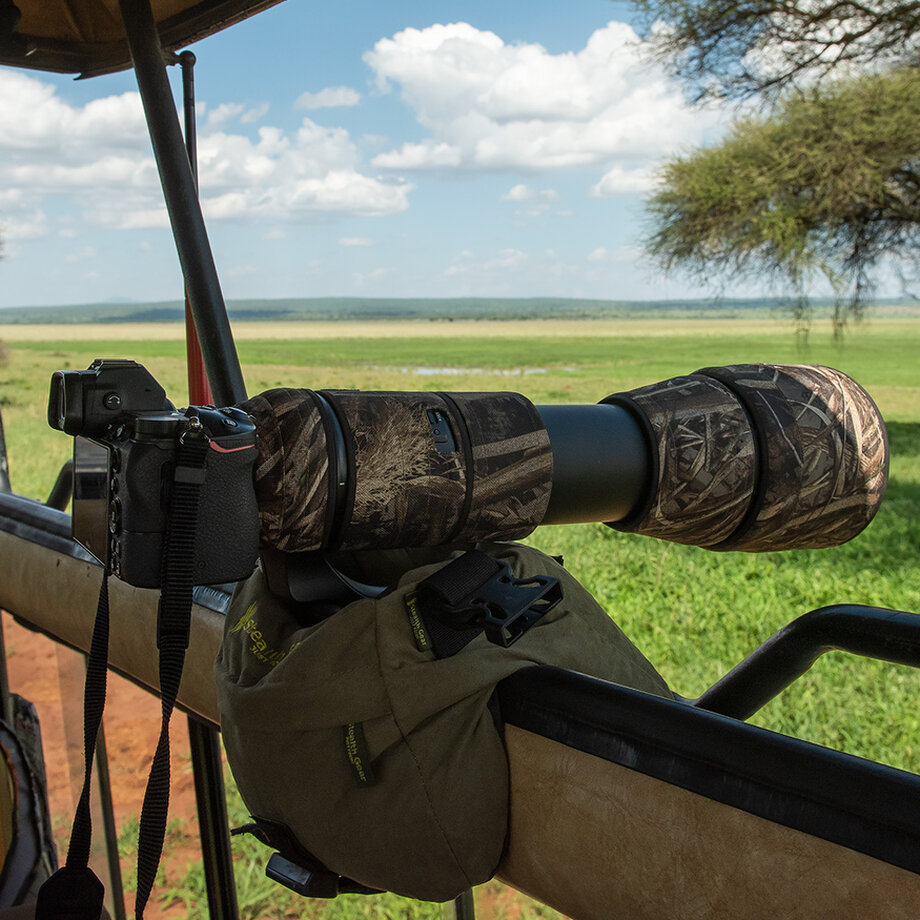
This approach requires patience, enough room for cameras and long lenses, and guides who understand why position, distance and timing matter to a photographer.
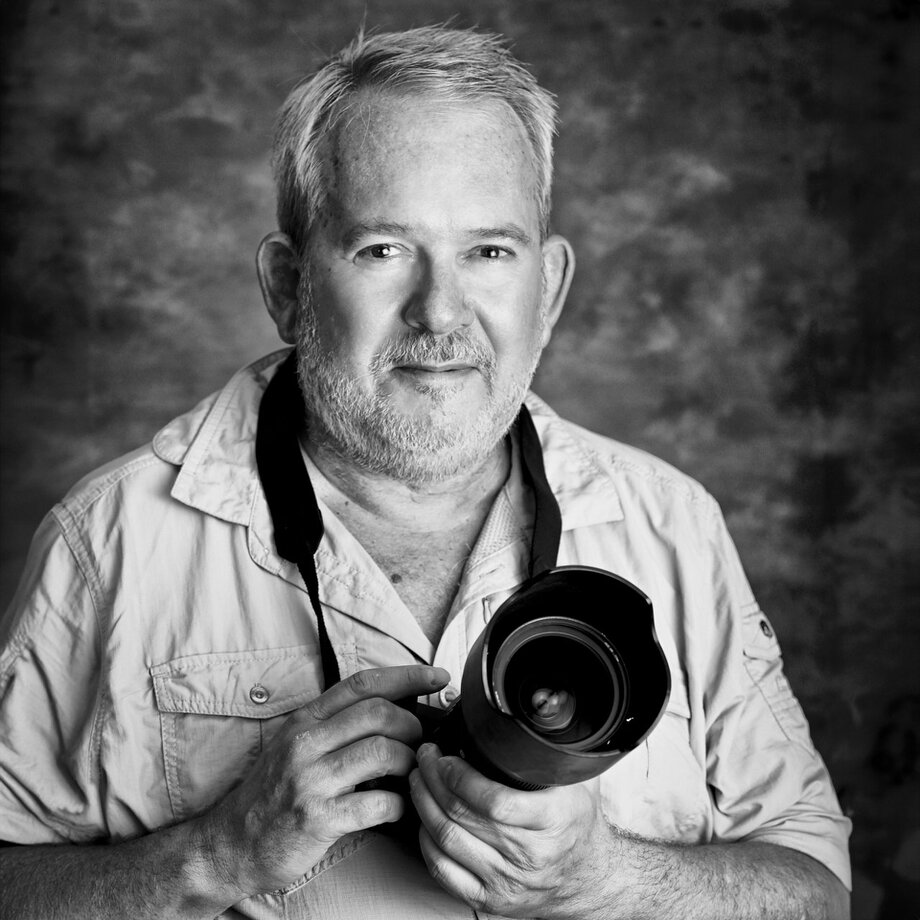
Gabriel’s first journey to Africa took place in 1989, followed by his first visit to Tanzania in 1993. Since then, wildlife photography and regular journeys through Tanzania have created a practical understanding of its parks, seasons, animals and photographic conditions.
Every Africa Photography journey is personally accompanied by Gabriel. The safari is therefore not handed from one host to another: the same photographic approach continues from preparation and fieldwork to image review and discussion.
The guiding philosophy is simple: observe patiently, respect the animal, understand the scene and allow the photograph to emerge without placing wildlife welfare at risk.
The itinerary, group size and daily rhythm are organised to provide more freedom, better working conditions and enough time to understand a scene before making the photograph.
A maximum of four participants per vehicle provides space for cameras, long lenses and individual photographic angles.
We remain with promising subjects when the light, behaviour or atmosphere makes patience worthwhile.
Gabriel accompanies the journey and offers practical, individual guidance throughout the safari.
Early departures, patient sightings and flexible field decisions place photography at the centre of each day.
Distance, sensitivity and animal welfare always take priority over obtaining a particular photograph.
Photographic guidance is available in English, Italian, French and German.
Vehicle configuration depends on the itinerary, terrain and regulations of each national park. Open vehicles, adapted Land Cruisers and dedicated photographic vehicles are selected according to the destination and local conditions.
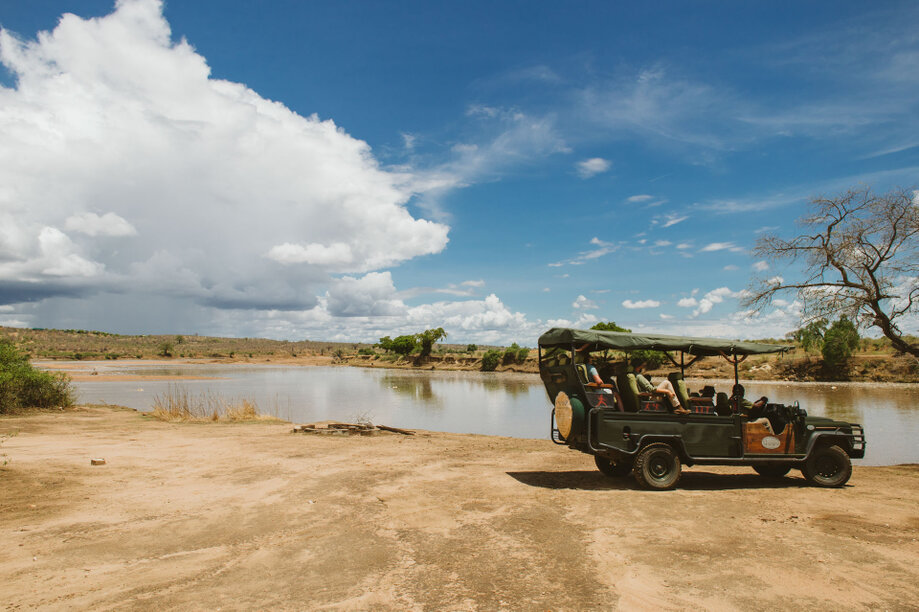
Open sides offer an unobstructed view and allow photographers to react quickly to elephants, birds, landscapes and changing wildlife behaviour.
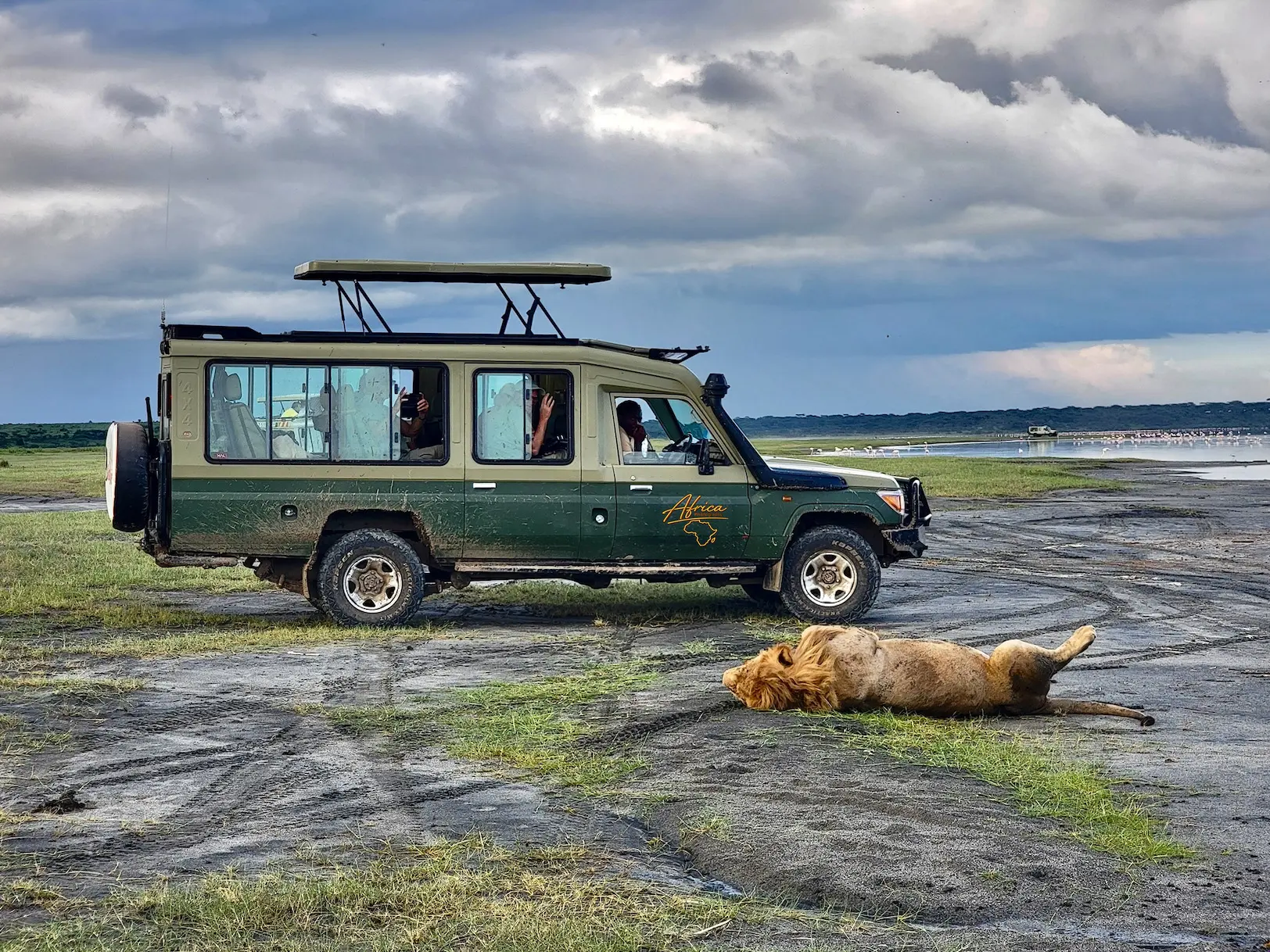
Where an enclosed vehicle is required, large windows, a pop-up roof and reduced occupancy preserve space, visibility and photographic flexibility.
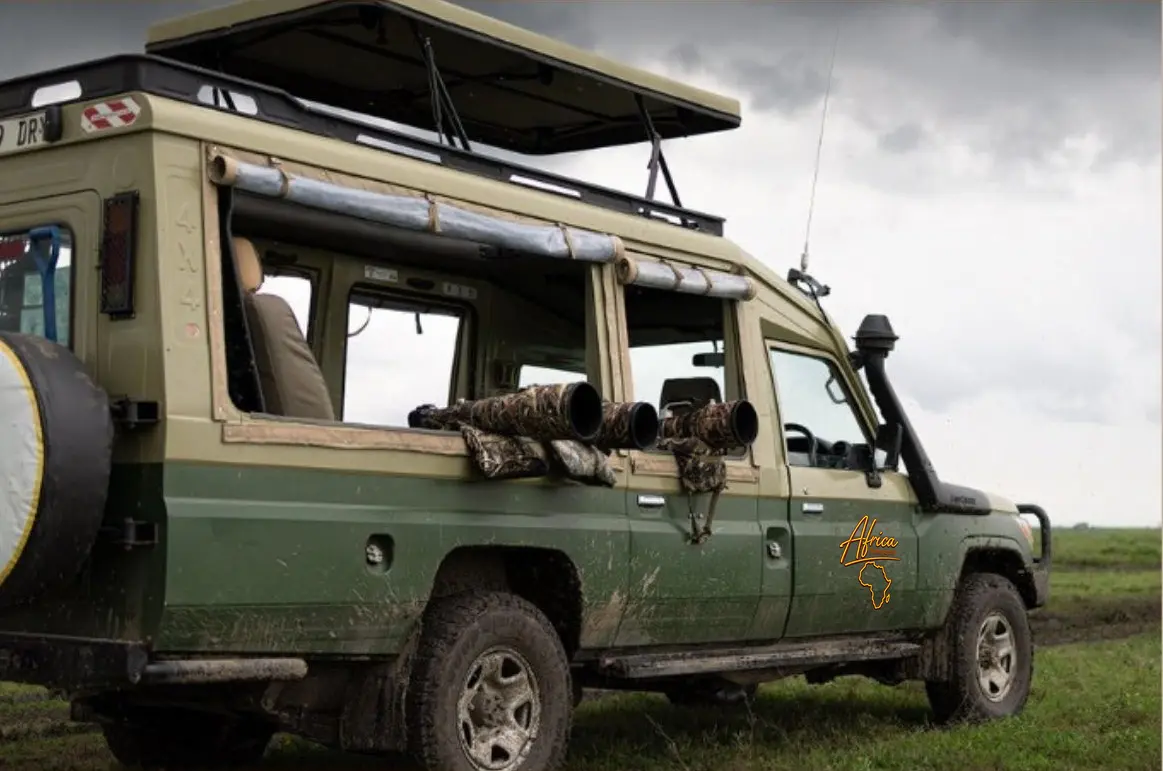
Large openings, individual positions and support for long lenses help photographers respond to predators, migration herds and fast-changing situations.
The exact vehicle used varies between safaris and parks and depending on the number of participants. The dedicated page for each safari explains the vehicle arrangement applicable to that specific journey.
Tanzania brings together migration plains, river ecosystems and remote wilderness, allowing each journey to follow a different photographic subject, season and atmosphere.
Serengeti, Ndutu, Ngorongoro and Tarangire offer the Great Migration, big cats, elephants, baobabs and open plains.
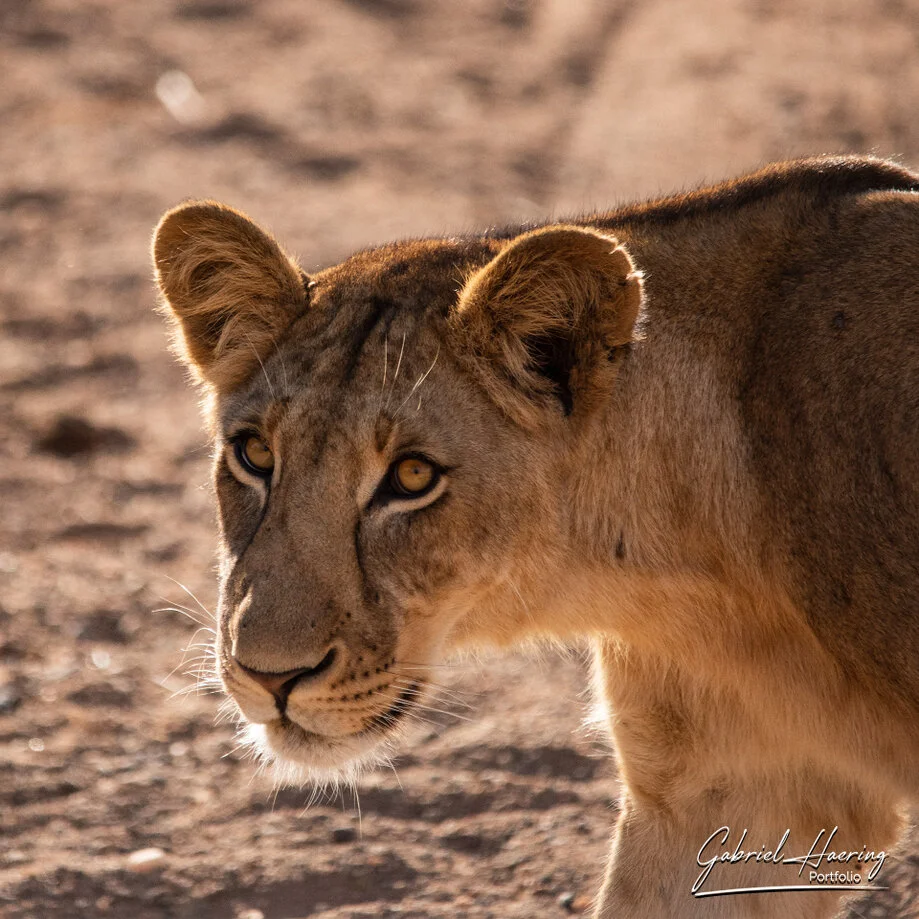
Nyerere and Ruaha combine rivers, birdlife, elephants, predators, baobabs and generally fewer safari vehicles.
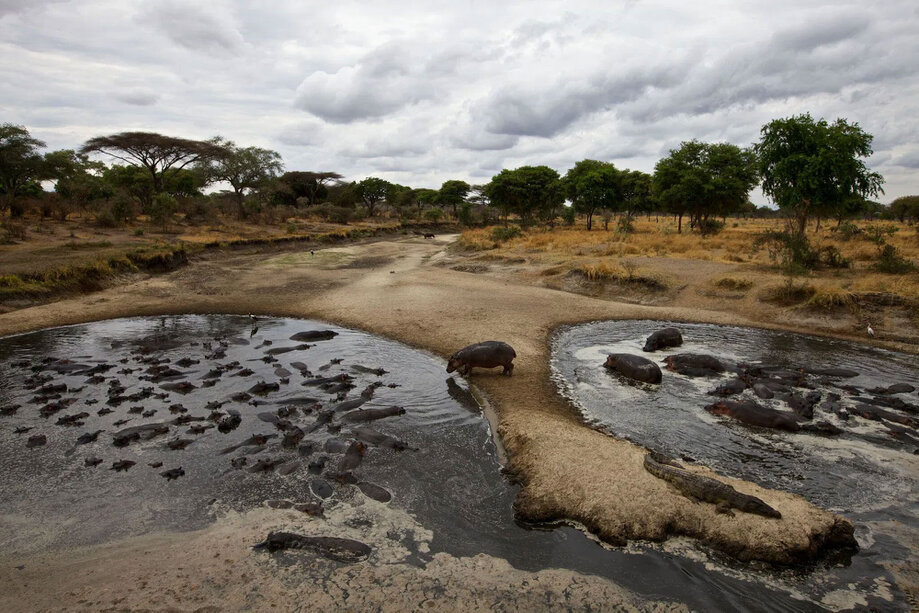
Katavi offers buffalo herds, hippos, crocodiles and an exceptional sense of space, isolation and wilderness.
A tailor-made journey is appropriate when you want a private itinerary built around your dates, interests, preferred travel rhythm and photographic priorities.
The route can focus on big cats, elephants, birds, landscapes, migration wildlife, remote parks or a slower experience with more time in fewer locations.
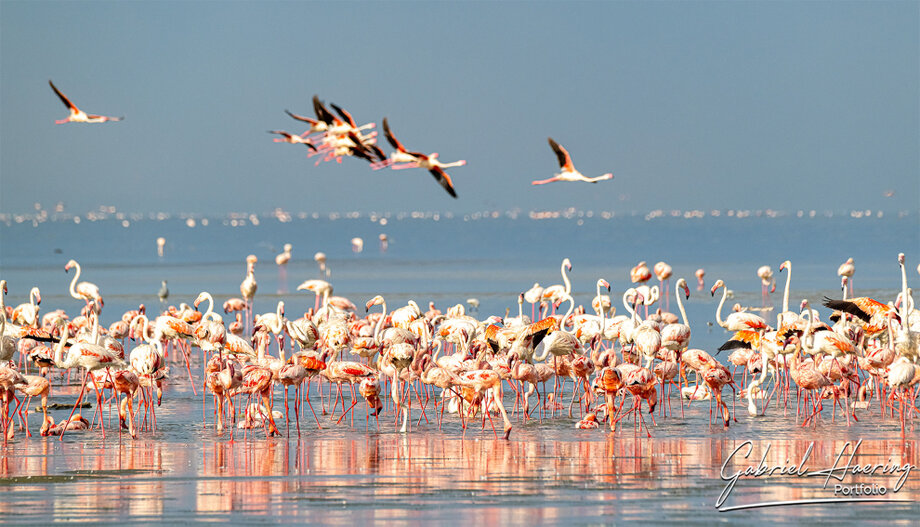
There is no single best month. The right period depends on the wildlife, light and landscapes you want to photograph. Our scheduled departures focus on three particularly rewarding seasonal windows.
| Period | Photographic highlights | Best suited regions |
|---|---|---|
| January–February | Calving season, newborn wildlife, big cats, green plains and dramatic skies | Tarangire, Ngorongoro, Ndutu and Southern Serengeti |
| June–October | Dry-season wildlife, warm light, open vegetation and animals gathering near water | Ruaha, Katavi, Tarangire and Serengeti |
| November | Rivers, birdlife, changing vegetation, softer light and quieter sightings | Nyerere and Ruaha |
Days often begin before sunrise and follow the light and wildlife rather than a rigid sightings checklist. We wait, reposition or remain with a subject when the photographic potential makes patience worthwhile.
Gabriel provides practical guidance in the vehicle and, when time permits, during image reviews. Support is adapted to each guest and may include settings, autofocus, exposure, composition, animal behaviour and image selection.
The experience suits advanced photographers, enthusiastic beginners and wildlife lovers; professional equipment is not required.
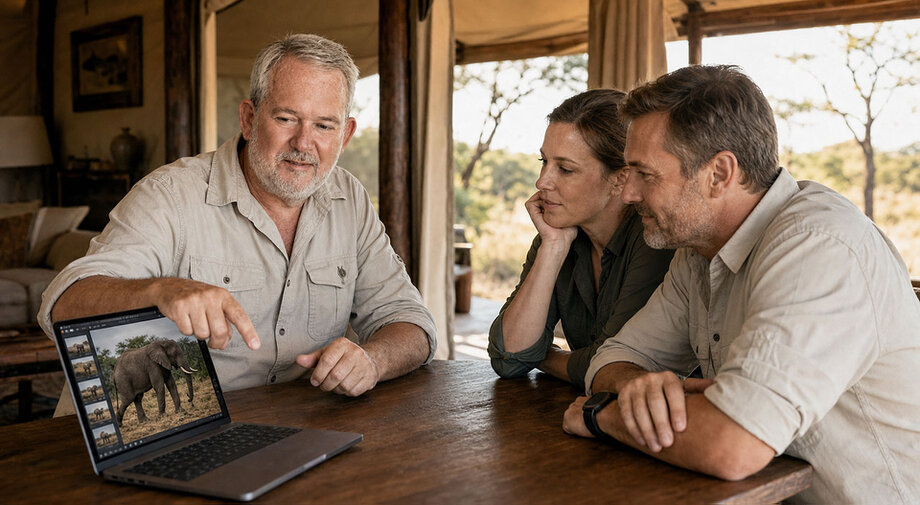
Previous participants describe how photographic support, preparation and time in the field contributed to their safari experience.
I am an amateur photographer and joined this photographic safari with Gabriel to improve my wildlife photography skills in Africa. I particularly appreciated the checklists and practical advice provided before and during the trip. They helped me prepare properly and make the most of photographic opportunities, even in challenging lighting conditions. A truly special experience that I would happily repeat.Antonio P. Northern Tanzania – Great Migration and Calving Season
We had long dreamed of joining a safari accompanied by an experienced photographer, and Gabriel exceeded our expectations. His photographic expertise, knowledge of African wildlife and practical guidance in the field helped us capture better images and enjoy an even richer safari experience. Thank you, Gabriel, for an unforgettable photographic safari.Roland S. Northern Tanzania – Rift Valley and Rhinos
Explore the photographs, previous safari stories and background behind the journeys before deciding which experience is right for you.
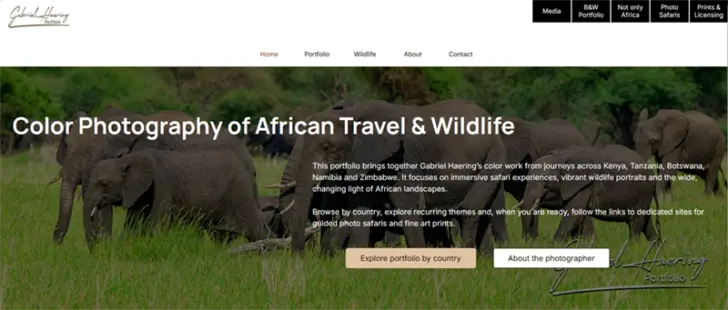
View wildlife, landscapes, action, atmospheric images and black-and-white interpretations created in different photographic conditions.
Explore the photography →
Read field reports from previous journeys and discover how weather, light, wildlife behaviour and unexpected encounters shaped each safari.
Read the safari reports →
Learn more about Gabriel’s photographic background, long connection with Tanzania and approach to ethical wildlife observation.
Read Gabriel’s story →No. Participants may have very different levels of experience. Curiosity, patience and an interest in observing wildlife are more important than advanced technical expertise.
The itinerary and daily rhythm are organised around light, animal behaviour, vehicle space and time at sightings. The objective is not simply to see as many animals as possible.
No. A suitable telephoto lens is helpful, but guidance can be adapted to the camera equipment you already use. Equipment advice is available before departure.
The safaris are limited to a maximum of four participants per vehicle, providing more room for cameras and allowing each photographer to work comfortably.
Vehicle configuration depends on the itinerary and park regulations. Open vehicles, adapted Land Cruisers and dedicated photographic vehicles are selected according to the destination and local conditions. The dedicated page for each safari explains its specific arrangement.
Yes. Non-photographing wildlife lovers are welcome if they enjoy a patient safari rhythm and understand that the group may remain longer at promising sightings.
A scheduled safari provides fixed dates and a defined photographic focus. A tailor-made safari is more suitable when you require private dates, specific parks or an itinerary designed around particular interests.
Tell me when you would like to travel, which wildlife or landscapes inspire you and whether you prefer a scheduled small-group safari or a private journey. Together, we can identify the season, route and photographic rhythm that best match your expectations.