Photography has been part of my life for more than fifty
years, beginning with black-and-white film, a camera and
my own darkroom.
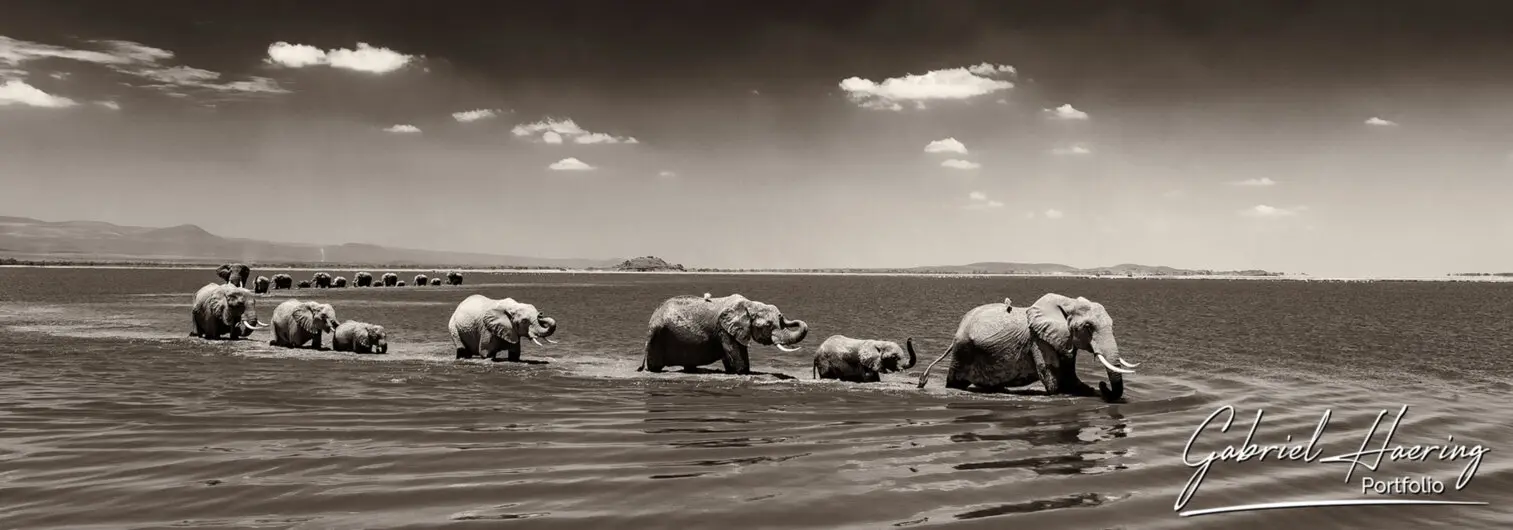
Today my work brings together African wildlife and
landscapes, monochrome interpretation and travel
photography from destinations beyond Africa. Although the
subjects and locations change, the process remains rooted
in patience, observation, light and respect for the scene.
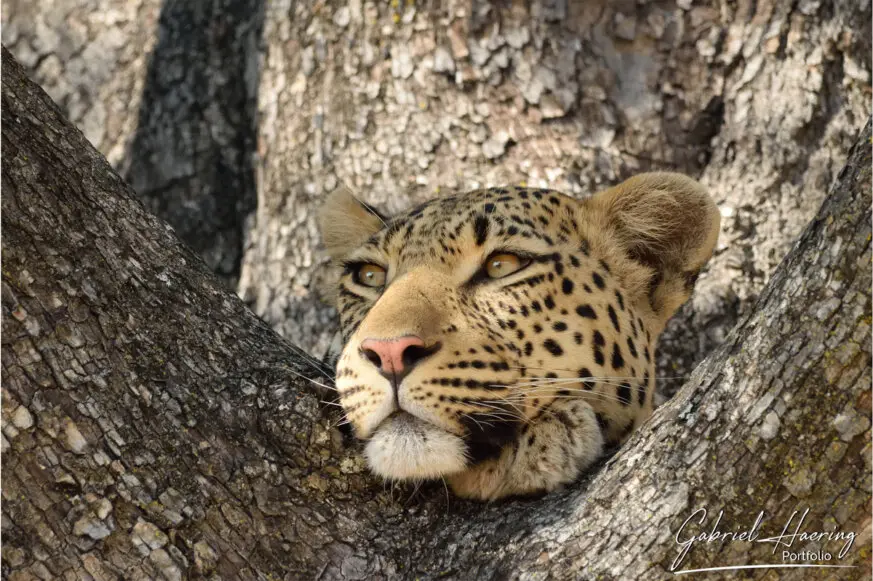
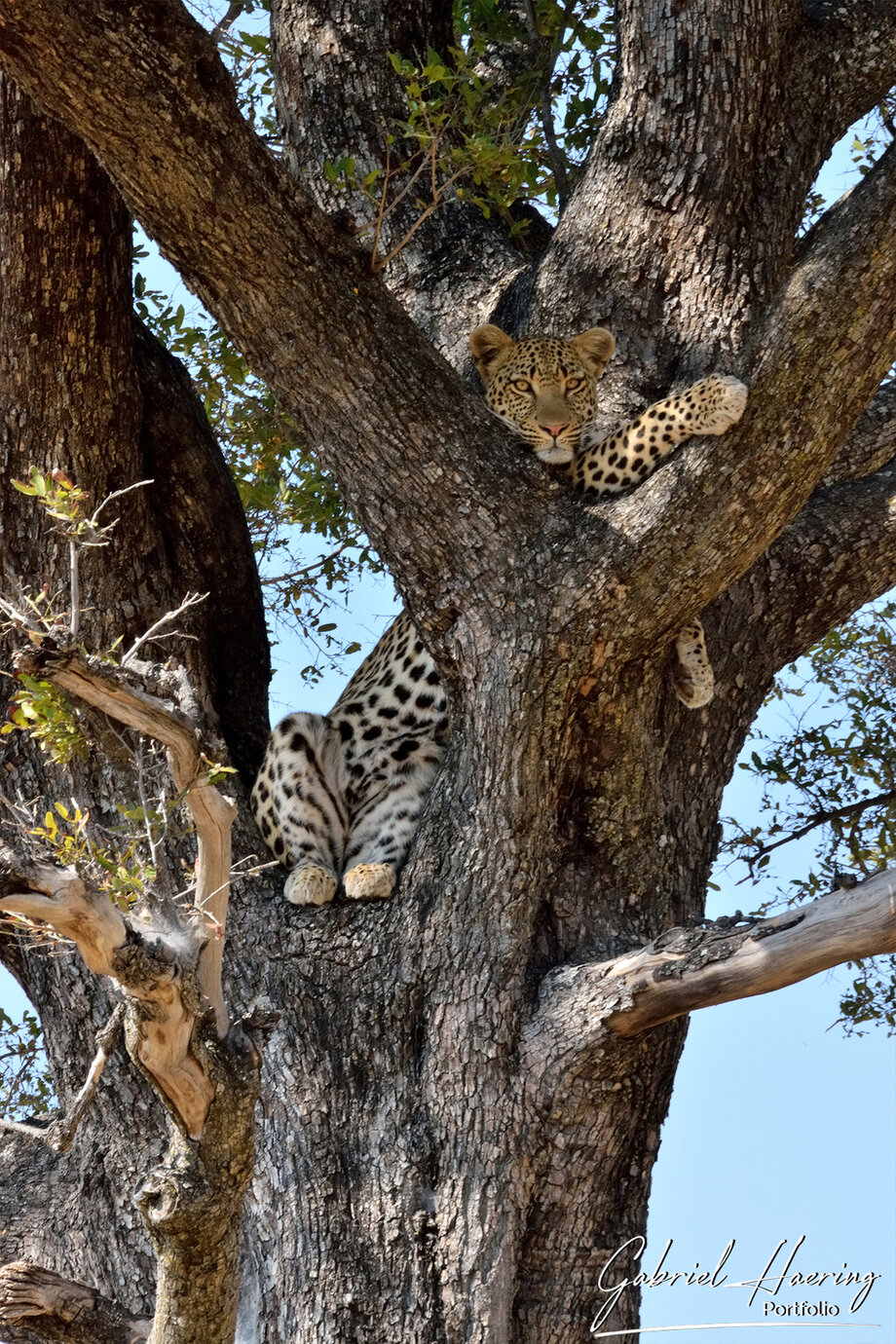
A young leopard resting above the Okavango Delta:
observation, patience and natural behaviour.
More than pressing the shutter
Photography as a Complete Process
A finished photograph begins long before post-production.
It starts with observation, develops through decisions made
in the field and continues through careful selection and
interpretation.
01Observe
Understand the subject, environment, behaviour and
direction of the light before photographing.
02Anticipate
Recognise when movement, expression or atmosphere may
develop into a meaningful moment.
03Compose
Decide how subject, background, space and perspective
should work together inside the frame.
04Select
Identify the photographs that communicate most clearly,
rather than simply keeping every technically correct image.
05Interpret
Refine tone, colour or monochrome structure while
preserving the authenticity of the original scene.
Different subjects, consistent principles
Photographing Different Situations
Wildlife photography is never limited to one kind of image.
Each situation requires different technical decisions,
levels of patience and ways of interpreting the subject.
1
Wildlife Behaviour
Behavioural photography depends on observation and
anticipation. The objective is to recognise the moment
before it develops rather than react after it has passed.
2
Animal Portraits
A strong portrait is not only a close view. Expression,
eye contact, posture, background and light must combine
to communicate the character and presence of the animal.
3
Wildlife in the Landscape
Wider compositions place an animal inside its habitat,
using trees, horizons, weather and negative space to
communicate scale and a sense of place.
4
Action and Movement
Fast situations require preparation, suitable focus
settings and shutter speed, while the final image still
depends on timing, gesture and composition.
5
Changing Light
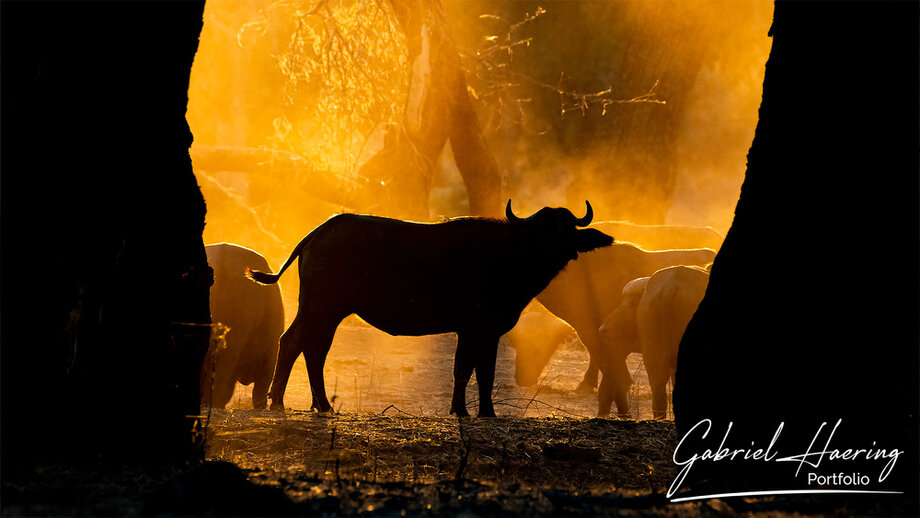
Soft morning light, dust, backlight, silhouettes,
reflections and approaching storms can transform an
ordinary sighting into a more atmospheric photograph.
6
Quiet Moments
Not every photograph needs action. Stillness, distance
and simple gestures can communicate vulnerability,
strength, solitude or the calm rhythm of the wilderness.
Patience, observation and respect
A Personal Way of Seeing
I am drawn to moments in which light, behaviour,
atmosphere and composition come together naturally.
Sometimes this may be a powerful wildlife encounter.
At other times it can be a quiet landscape, an
architectural detail or a brief interaction that
reveals something about a place.
I prefer to allow a scene to develop rather than impose
myself upon it. This is particularly important when
photographing wildlife and people, where respect,
distance and sensitivity are essential.
The subjects may change, but the objective remains the
same: to create photographs that communicate more than
a simple record of what stood in front of the camera.
A photograph becomes meaningful when technique serves
observation, emotion and the story contained within
the scene.
Respectful observation allows natural behaviour to
determine the photograph.
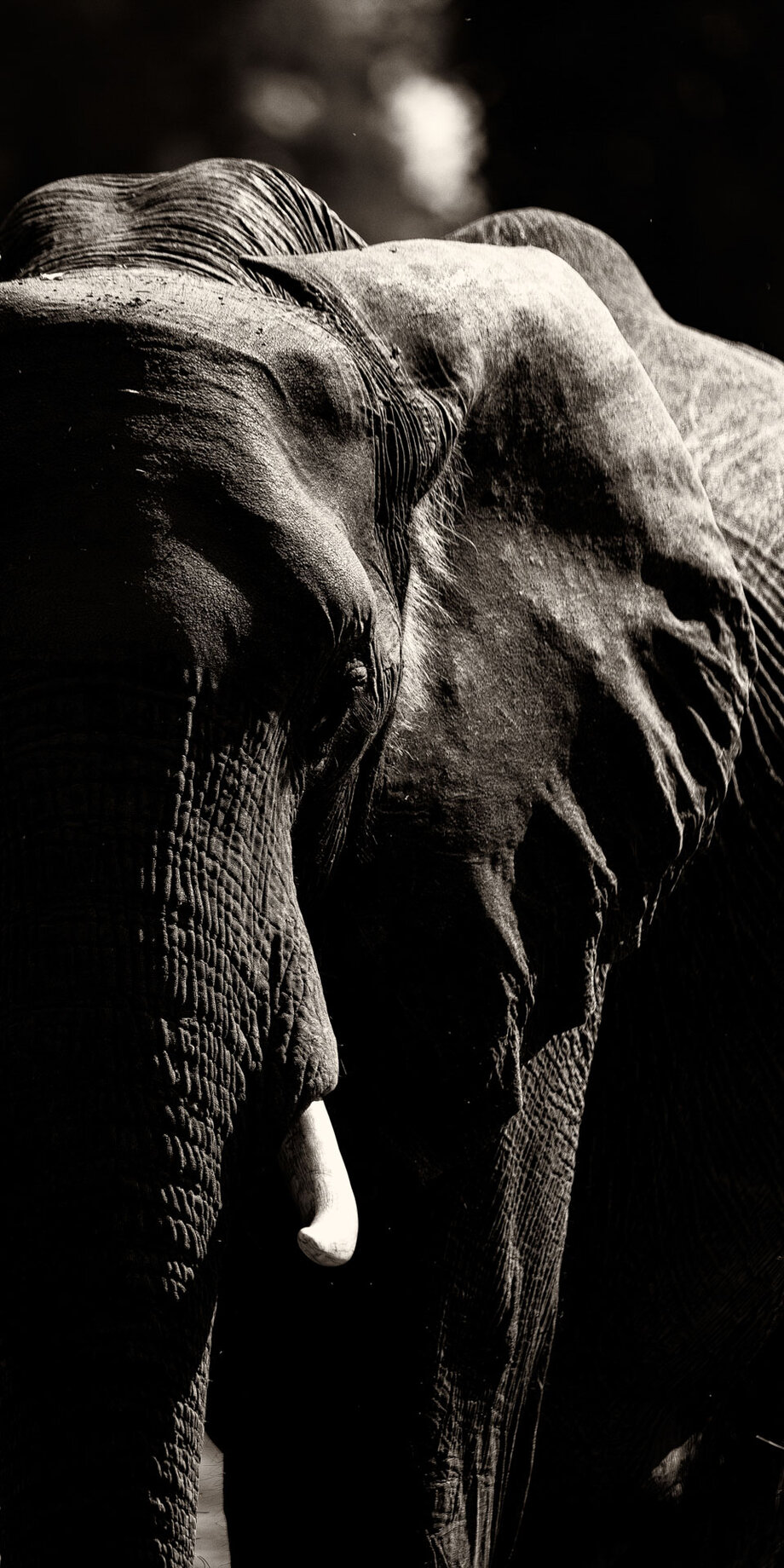
Close portrait view of an elephant bull: form, distance, light
and tonal atmosphere.
Monochrome photography and post-production
From Colour Capture to Black-and-White Interpretation
Black and white was my first photographic language.
Working with film and producing prints in my own darkroom
taught me to consider light, shadow, contrast and structure
before pressing the shutter.
A successful monochrome image is not created by simply
removing colour. The decision begins with the subject.
Texture, gesture, shape, negative space and tonal
separation must be strong enough to carry the image.
Post-production then becomes a process of interpretation:
directing attention, separating important elements and
creating tonal depth without destroying the credibility
of the original wildlife encounter.
Evaluate whether colour supports or distracts from
the central subject.
Establish a balanced tonal structure from highlights
through midtones to deep shadows.
Use local contrast to clarify texture, form and
visual separation.
Guide attention with selective light and shadow,
without creating an artificial result.
Prepare the final image according to its destination:
screen, fine-art print, publication or photographic book.
Colour is an essential part of the experience of
travelling through Africa. The warmth of early morning
light, the muted tones of the dry season, fresh vegetation
after the rains and the changing colours of sky, water
and landscape all shape the atmosphere of an image.
Colour can separate the subject from its environment,
communicate temperature and season, or become the
emotional centre of the photograph.
My dedicated colour portfolio brings together wildlife,
landscapes and moments photographed during repeated
journeys through Tanzania, Kenya, Botswana, Namibia
and Zimbabwe.
Colour retains the environmental atmosphere and natural
tonal relationships of the original encounter.
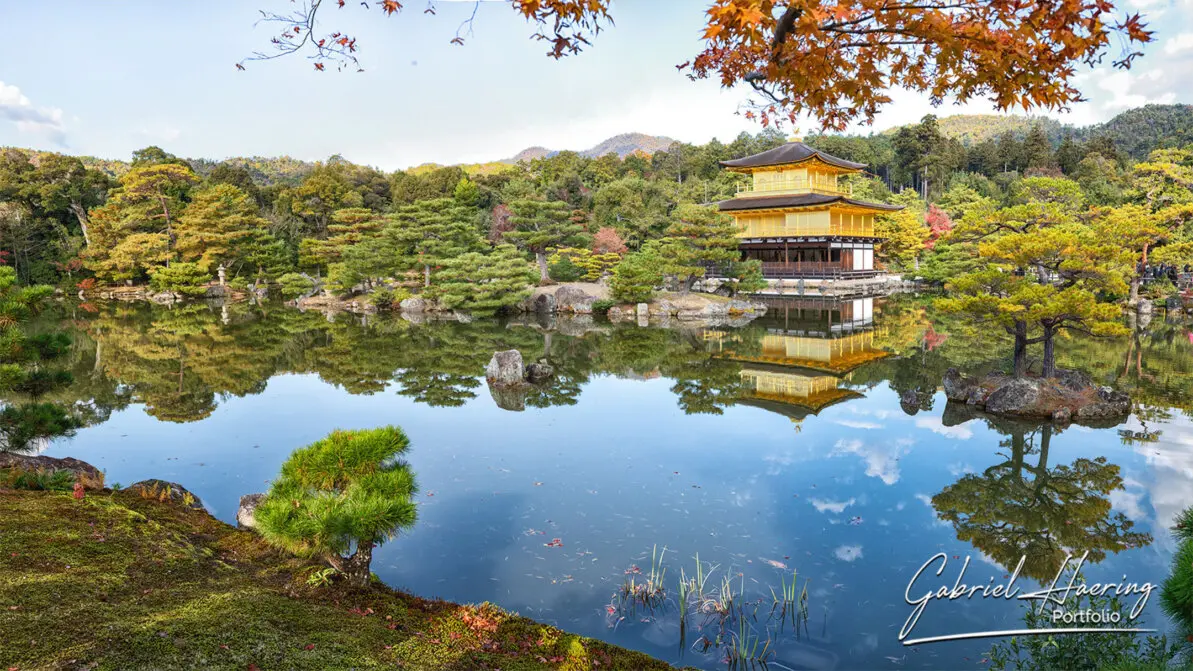
Kyoto in autumn: architecture, reflection, colour and
the visual identity of a place.
Travel, landscape and visual culture
Photography Beyond Africa
Africa has deeply influenced my photographic vision,
but my interest in photography extends much further.
My journeys have also taken me through Europe, North
America, Asia and the Middle East.
These different environments create new visual
challenges: architecture instead of wildlife,
reflections instead of dust, city geometry instead of
open savannah and cultural detail instead of animal
behaviour.
Photographing different places sharpens observation and
strengthens the ability to recognise light, structure
and atmosphere when returning to the African wilderness.
This page introduces my photographic approach. The complete
bodies of work are presented through three dedicated
portfolio websites, each with its own visual language.
Africa in Colour
African wildlife, landscapes, changing seasons and
the natural atmosphere of repeated journeys through
the continent.
How the Portfolio Connects with the Safari Workshop
The photographic principles visible in these collections
also form the basis of the guidance offered during my
photographic safaris in Tanzania.
Participants learn directly from real situations:
observing behaviour, working with changing light,
controlling the background, selecting stronger images
and deciding how colour or black and white can best
communicate the original experience.
The objective is not to reproduce my style. It is to help
each participant understand the photographic process and
develop a more personal and deliberate way of seeing.
Observation and anticipation before taking the photograph
Camera settings adapted to light and movement
Composition, background and environmental context
Constructive review and selection of safari images
Natural colour and black-and-white post-production
Photography, collaboration and photographic journeys
Discover the Work or Experience the Process
Explore the complete photographic collections, learn more
about my approach or join a small photographic safari where
observation, field technique and image development become
part of the same journey.