


Photo Safari Report: Tarangire, Ngorongoro, Ndutu & Central Serengeti – Green Season and Calving Time
There is a very particular feeling to northern Tanzania in the green season. The dust of the dry months is gone, the plains are alive again, and the whole landscape seems to breathe more deeply. The grass is fresh, the skies are often full of movement, and the light can change from soft and silvery to dramatic within minutes. For photography, and for anyone who enjoys safari as an experience rather than a checklist, it is one of the most rewarding times of year to be there. The current page already highlights those fresh landscapes, softer light, dramatic clouds, and the importance of the calving season in Ndutu.
This journey began at Kilimanjaro Airport and led first to Tarangire, then through Karatu and the Ngorongoro highlands, on to Ndutu during the migration and calving season, and finally to Seronera in the central Serengeti before the flight back. On a map, it is an elegant route. In reality, what makes it memorable is how much the atmosphere changes from one stage to the next. The page currently describes exactly that progression through Tarangire, Karatu, Ngorongoro, Ndutu and Seronera.
For me, this safari was defined by contrast. Tarangire felt rich and textured, Ngorongoro cooler and more dramatic, Ndutu open and full of restless energy, and Seronera like a final return to that classic Serengeti mood of acacias, kopjes and evening light. What stayed with me most, though, was not just the wildlife. It was the feeling of following the rhythm of the season itself: the arrival of rain, the movement of herds, the vulnerability of newborn animals, and the constant sense that something could happen at any moment.
This bespoke January–February photographic safari through Northern Tanzania — including Tarangire National Park, the Ngorongoro Crater & Conservation Area, and the Serengeti — offers a unique green-season experience, with vibrant scenery, atmospheric light, dramatic clouds, and exceptional wildlife photography opportunities.
Designed for those seeking more than a standard safari, these tailor-made journeys focus on flexibility, quieter routes, and dedicated time for creative photography in some of Tanzania’s most iconic landscapes.
Interested in your own photographic safari in Tanzania?
Explore our detailed itineraries and contact us to plan yours:
Photo Safaris in Tanzania — Tailor-Made & Photography-Focused
Tarangire – A Green Beginning Full of Life
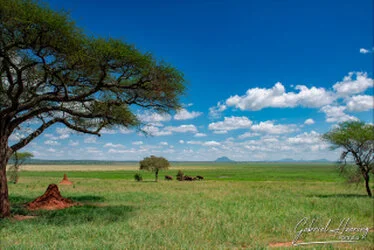
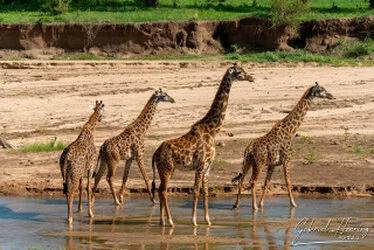
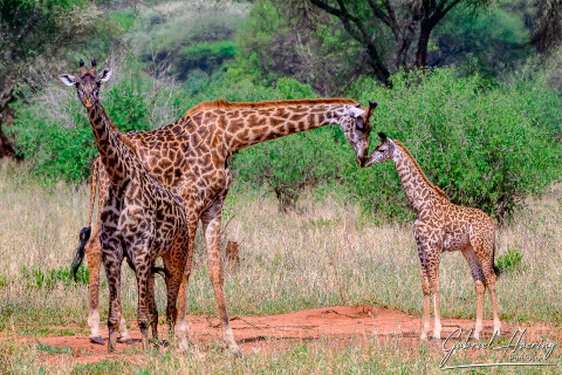
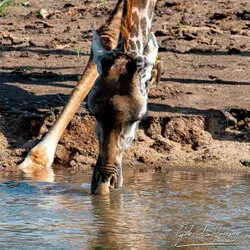
We started with three nights in Tarangire, and I immediately felt how different the park becomes in the green season. I know Tarangire well in its drier, dustier form, when the elephants dominate the river system and the baobabs stand in a harsher landscape. But in this season, the park feels softer and fuller. The vegetation has depth, the colours are richer, and the red earth, green foliage and pale trunks of the baobabs create a setting that is incredibly satisfying photographically. The current page already notes three nights in Tarangire and describes the greener vegetation, fresh colours and strong baobab character at this stage of the safari.
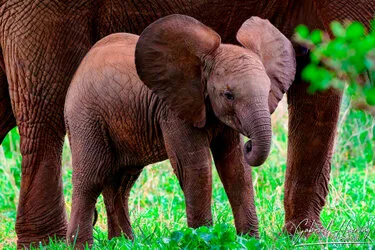
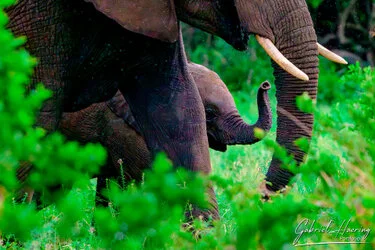
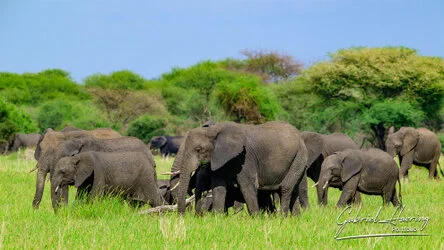
As so often in Tarangire, elephants shaped many of our most memorable moments. Families moved calmly through woodland and open spaces, often framed by baobabs or patches of green that gave the whole scene a gentler and more vibrant mood than during the dry season. I always enjoy how Tarangire allows wildlife to sit naturally within the landscape. You are not just photographing animals; you are photographing presence, shape, balance and place. The page already foregrounds elephants as a key highlight of Tarangire and links them closely to the greener visual setting.
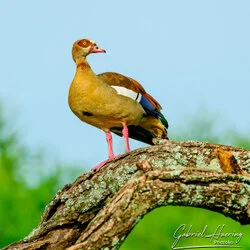
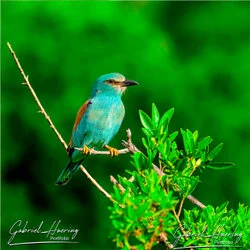
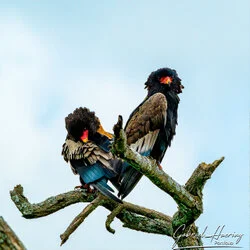
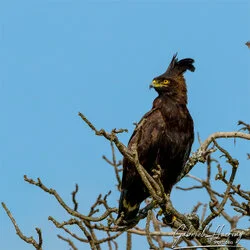
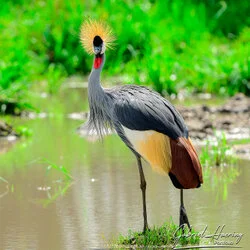
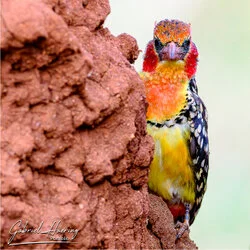
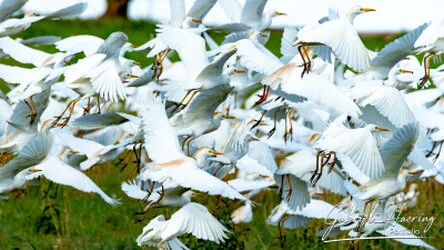
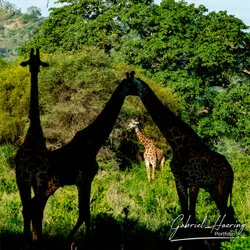
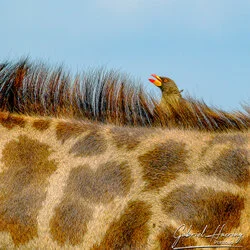
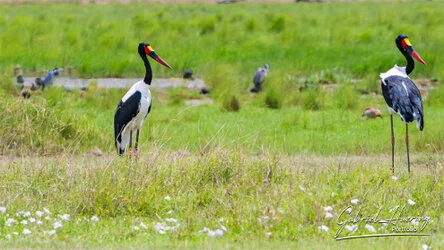
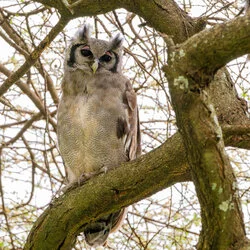
Another reason I value Tarangire so much at this time of year is birdlife. The page rightly emphasizes how rewarding it is for birding during the green season, with breeding colours, migrant species, and a great range of birds across different habitats. For me, that changes the rhythm of the safari in the best possible way. You may begin a drive thinking about elephants or cats and then suddenly spend time with rollers, bee-eaters, hornbills or raptors because the park keeps revealing other layers. It makes the whole experience feel more textured and alive.
By the time we left Tarangire, the safari had already found its tone. It was not only about big mammals. It was about atmosphere, changing colour, birdlife, and the sense that the season itself was an active part of the journey. That is exactly the kind of beginning I like in northern Tanzania. This is an inference based on the page’s strong emphasis on Tarangire’s atmosphere, elephants, birding and green-season character.
Karatu and Ngorongoro – The Transition Matters
After Tarangire, we drove toward Karatu for the overnight stop before entering the Ngorongoro Conservation Area. The page correctly says this is much more than a transfer, and I would keep that idea because it is true. One of the pleasures of this route is the gradual climb away from the warmer plains into cooler, greener highlands, where farms, forest and changing light prepare you for an entirely different mood.
I have always liked this part of the journey because it resets the eye. After Tarangire’s baobabs and open game drives, Karatu and the highlands feel calmer, denser and more transitional. It is a pause, but not an empty one. It gives the itinerary room to breathe before the migration landscapes of Ndutu take over. The current text already frames Karatu as a well-paced stop that helps shift the journey naturally toward the southern Serengeti ecosystem.
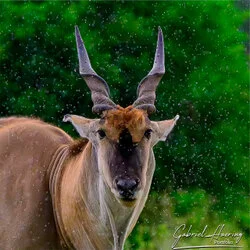
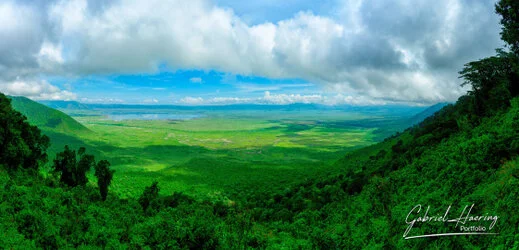
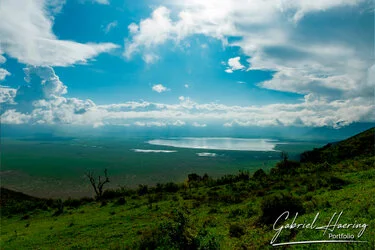
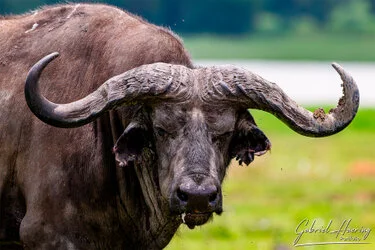
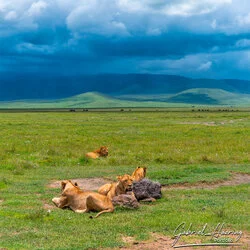
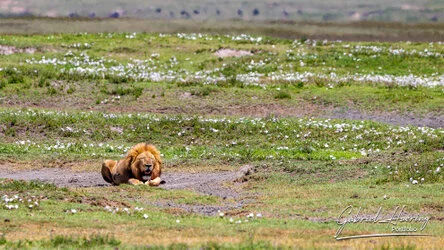
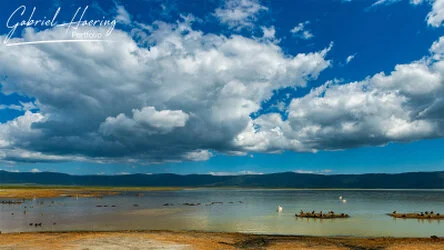
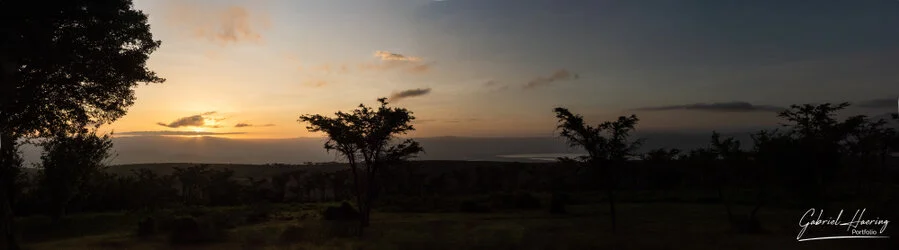
The following day we descended into the Ngorongoro Crater for a half-day game drive before continuing onward to Ndutu. I particularly like the weather detail already mentioned on the page: clouds around the rim and upper edges, with the crater floor opening beneath blue sky. That is exactly the kind of condition that stays in the memory because it creates both drama and clarity at once. The crater felt theatrical, almost staged, with dark cloud above, bright wildlife below, and the sense that the whole landscape was presenting itself in layers.
Ngorongoro always has a density and immediacy that contrasts beautifully with both Tarangire and Ndutu. The current page notes its wildlife concentration, spectacular scenery and photographic light, and those are important strengths to preserve. But in a more personal version, I would lean further into the feeling of descending into a self-contained world before continuing onward to the southern plains.
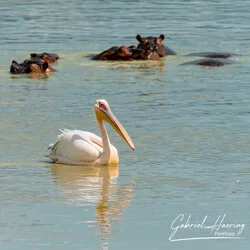
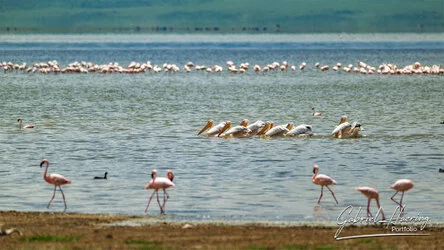
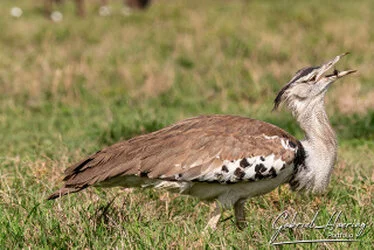
For birders, this stage also adds variety. The page points out that altitude and vegetation bring different species from the lowland parks, and that is one more reason the overall itinerary works so well. It is not repetitive. Every stage adds something new, not only in scenery and mammals, but also in birdlife and mood.
Ndutu – Where the Journey Became Most Alive
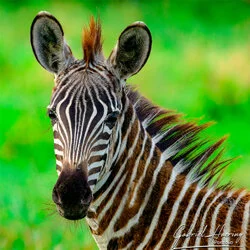
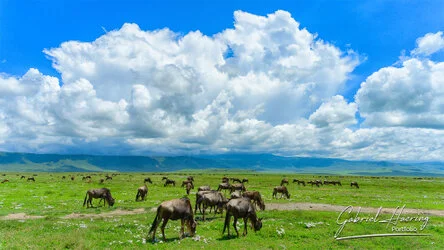
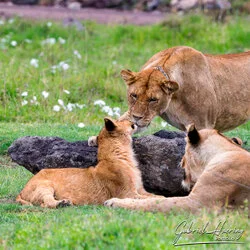
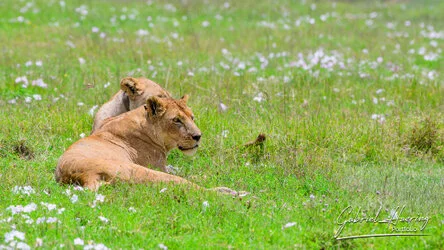
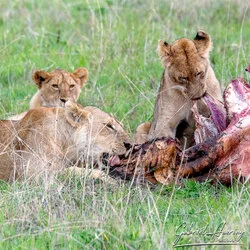
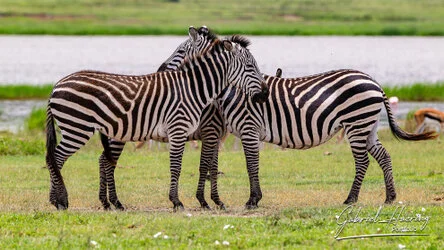
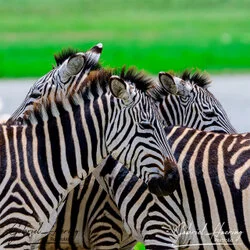
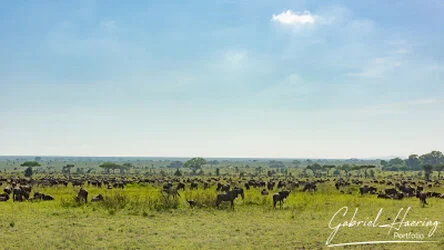
Ndutu was the part of the journey I had been looking forward to most. We spent three nights there during the green and calving season, when the southern plains are full of life and the whole landscape feels charged with movement. The current page already highlights Ndutu as the emotional heart of the safari, with vast herds of wildebeest and zebra, newborn calves, and predators never far away.
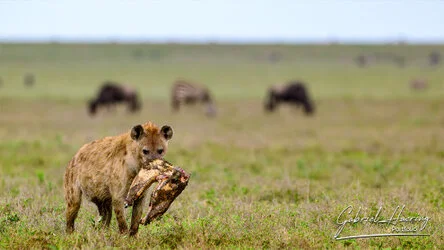
What struck me most was not only the number of animals, but the constant sense that something was always unfolding. Herds stretched across the plains, mothers stayed close to their calves, and the atmosphere carried both beauty and tension. Ndutu in this season never feels still. It feels alive, emotional and unpredictable. That impression is fully consistent with the page’s emphasis on migration, calving, maternal behaviour and the open, dynamic character of the area.
For photography, Ndutu is one of the most rewarding places in Tanzania because it offers both scale and intimacy. One moment, the eye is drawn to the vast plains, moving clouds and herds disappearing into the distance. The next, everything narrows to a single newborn calf, a mother’s attention, or a brief interaction that gives the whole scene emotional weight. The current page already supports this balance by stressing both the wide open setting and the intimate behavioural moments of the calving season.
The green season adds greatly to that experience. Fresh grass, soft colours and changing skies give Ndutu a mood that feels richer and more atmospheric than later in the year. By the end of our stay, it had become much more than a migration stop. It felt like the place where the safari became most alive and most memorable. The page’s existing emphasis on green-season light, fresh landscapes and photographic atmosphere strongly supports that conclusion.
Seronera – A Classic Serengeti Ending
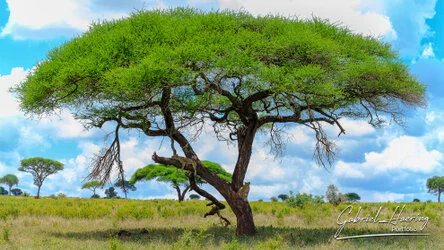
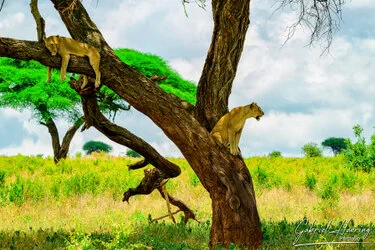
After Ndutu we continued north to Seronera for the final night. That last stage is a good structural choice, and the page is right to keep it. After the openness and migration energy of Ndutu, central Serengeti brings a slightly different rhythm and a very recognizable atmosphere: acacias, kopjes, open plains and resident wildlife.
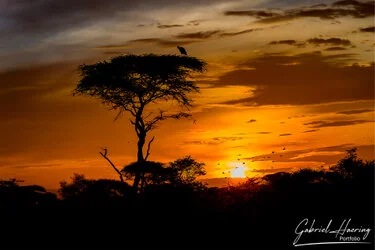
I always find Seronera a fitting way to end an itinerary like this. It allows the safari to close not with a sudden departure, but with one more change of scene. There is something satisfying about that last evening and last morning in the central Serengeti, when the light softens, the kopjes stand out more strongly, and every sighting feels like a final chapter rather than just another drive. The page supports this by describing Seronera as a strong final layer that adds resident wildlife and memorable last sightings.
Birding remains strong here as well. The page notes the value of riverine areas, acacia woodland, grassland and kopjes for adding more species to an already rich list. That continuity matters: the safari does not lose richness at the end. It simply changes register.
Final Reflections on the Green Season
This journey confirmed again why I value the green and calving season so highly in northern Tanzania. The page already says that the landscapes felt fresh and alive, that the migration in Ndutu brought energy to the safari, and that birding added richness throughout. I agree with all of that. But what I would emphasize even more in a personal version is how this season shapes emotion as much as scenery. The safari feels less static, less polished, more alive.
Yes, it can rain. Yes, some days feel wetter or more unpredictable than in the dry season. But the current page is absolutely right that this is also what makes the period so rewarding for photography: clouds, fresh colours, dramatic skies, changing light, reflections and atmosphere that are difficult to find later in the year.
In the end, this was not only a safari about seeing the migration. It was about experiencing a living season in motion: Tarangire in green, Ngorongoro under shifting skies, Ndutu full of birth and tension, and Seronera closing the story with that unmistakable Serengeti mood. That is why this itinerary works so well. It does not just show northern Tanzania. It lets you feel its progression. This is a synthesis based directly on the page’s route, sectioning and seasonal emphasis.