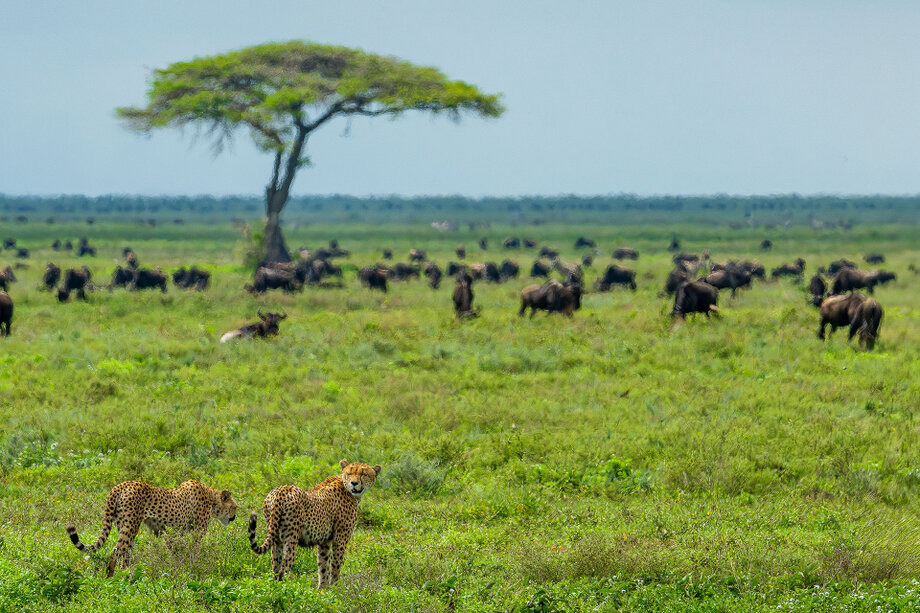
With Gabriel, you can join scheduled small-group photographic safaris or design a private tailor-made itinerary.
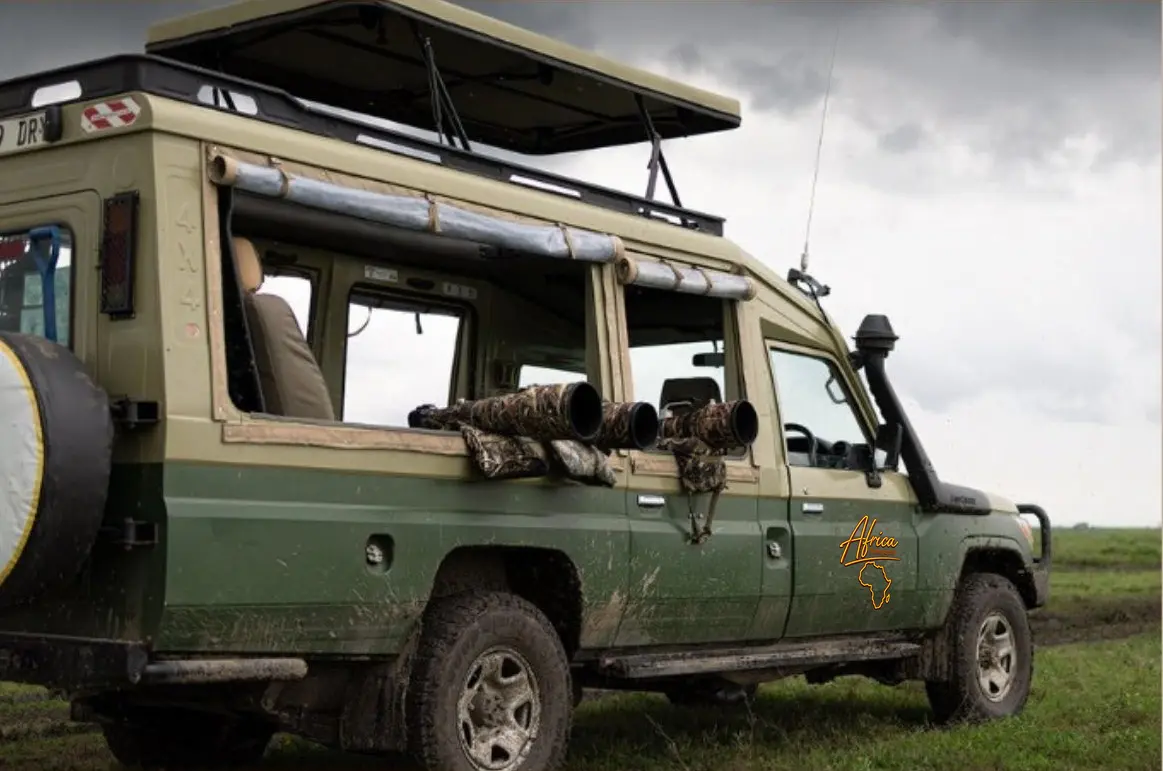
The rhythm is designed for wildlife photographers and nature lovers: a maximum of 4 participants per vehicle, more time at sightings, attention to composition and personal support in Italian, French, English or German.
The proposals include both Southern Tanzania — Nyerere, Ruaha and Katavi, more remote and less crowded — and tailor-made itineraries in the North, with iconic parks such as Tarangire, Ngorongoro, Serengeti, Ndutu, Lake Natron and Mkomazi.
Scheduled photographic safaris
Nyerere & Ruaha Photographic Safari – November 2026
A 7-day fly-in photographic safari in Southern Tanzania, designed for those looking for visual variety, vast landscapes and a quieter rhythm than the more travelled safari circuits.
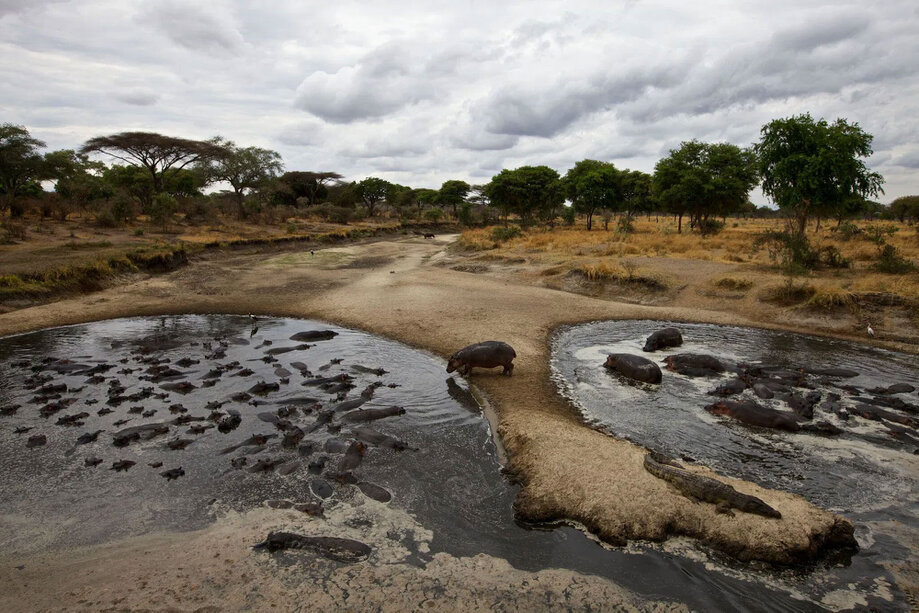
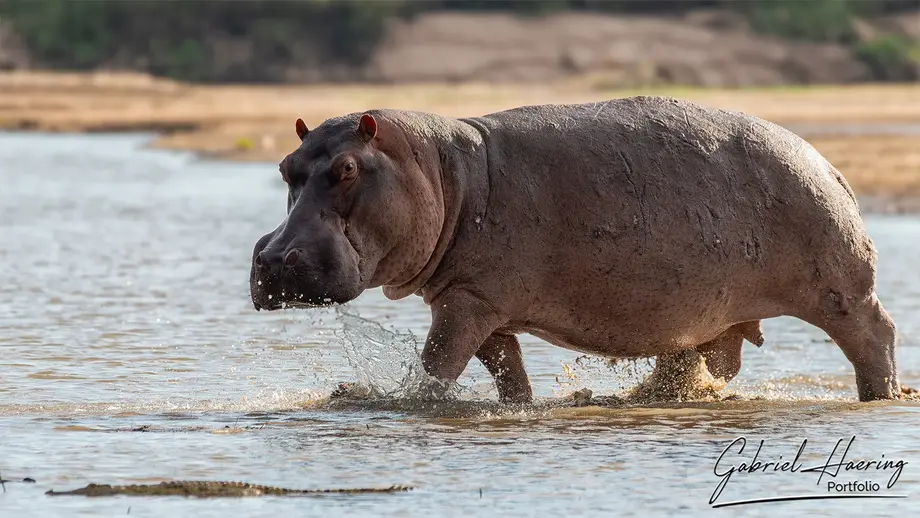
Nyerere offers water, reflections, channels, lagoons, hippos, crocodiles, birds and scenes along the Rufiji River. Ruaha adds baobabs, seasonal rivers, elephants, predators, dust and golden light. Together, they create a very balanced itinerary: from riverine atmosphere to dry savannah, from contemplative photography to more intense encounters with African wildlife.
Nyerere and Ruaha – November 2026
Duration: 7 daysFormat: fly-in safariPhotographic focus: water, reflections, baobabs, elephants, predators, light and landscapeIdeal for: photographers and nature lovers
This exclusive 7-day fly-in photographic safari in Southern Tanzania combines two of Africa’s most spectacular wilderness areas: Nyerere National Park and Ruaha National Park.
Immediate availability
Price without discount5,800 $
Ruaha & Katavi Photographic Safari – June 2027
A 7-day fly-in photographic safari for those seeking a more remote, wild and less conventional Tanzania. Ruaha and Katavi are parks for photographers looking for space, silence, strong light and an authentic sense of wilderness.
Ruaha offers baobabs, dry landscapes, predators, elephants and highly graphic scenery. Katavi adds open plains, hippos, crocodiles, buffaloes and a feeling of isolation that is rare in more classic safari itineraries.A 7-day fly-in photographic safari for those seeking a more remote, wild and less conventional Tanzania. Ruaha and Katavi are parks for photographers looking for space, silence, strong light and an authentic sense of wilderness.
Ruaha offers baobabs, dry landscapes, predators, elephants and highly graphic scenery. Katavi adds open plains, hippos, crocodiles, buffaloes and a feeling of isolation that is rare in more classic safari itineraries.
Ruaha and Katavi – June 2027
Duration: 7 days
Format: fly-in safariPhotographic focus: wilderness, baobabs, wide open spaces, hippos, buffaloes, predators and remote atmospheresIdeal for: travellers seeking authentic wilderness and very few vehicles
This 7-day fly-in photographic safari in Southern Tanzania combines the remote wilderness of Ruaha National Park with the extraordinary wildlife concentrations of Katavi National Park, one of Africa’s most untouched safari destinations.
Immediate availability
Price without discount6,890 $
Ndutu e Serengeti meridionale
During the green season and the calving period, Ndutu offers extraordinary opportunities to photograph young animals, predators, dramatic skies and softer landscapes than in the dry season.
Ngorongoro
The Ngorongoro Crater offers a high density of wildlife in a unique landscape. It is a strong destination for those visiting Tanzania for the first time and looking for variety in a short time.
Tarangire
Tarangire is ideal for elephants, baobabs, warm light, dust and highly graphic compositions. It is one of the most interesting parks for those who love combining wildlife and landscape.
Lago Natron e Mkomazi
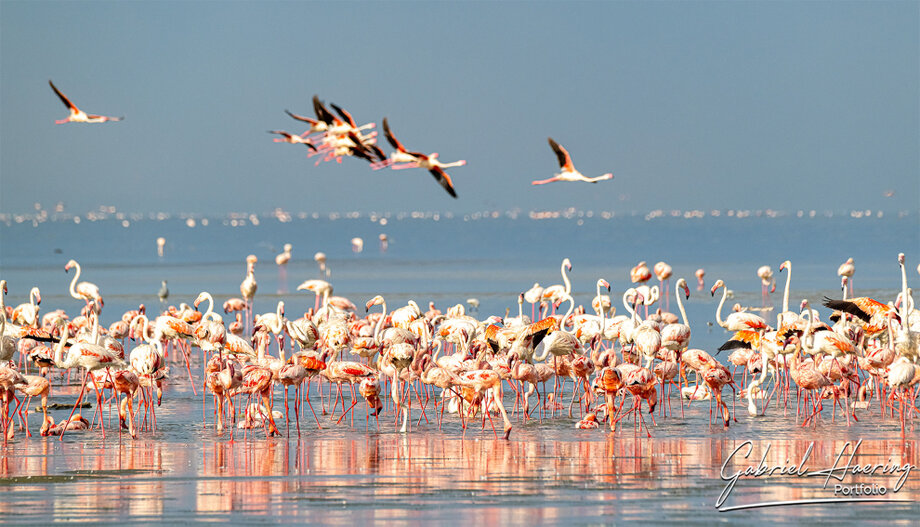
For tailor-made itineraries, Lake Natron and Mkomazi add unusual landscapes, flamingos, silence, minimalist scenery and a less predictable side of Tanzania.
Nyerere
Nyerere offers a different dimension: the Rufiji River, channels, lagoons, reflections, hippos, crocodiles, birds and quieter water-based scenes.
Ruaha
Ruaha is one of the most visually powerful parks: baobabs, seasonal rivers, dust, predators, elephants and often very dramatic light.
Katavi
Katavi is for those seeking wilderness, isolation and wide open spaces. It is less conventional and more remote, with plains, hippos, buffaloes, crocodiles and a strong sense of wild Africa.
Serengeti
The Serengeti is one of the most iconic destinations for wildlife photography in Africa. Vast plains, predators, herbivores, open skies and animal behaviour make it ideal for classic safari images.
January – March
A very interesting period for Ndutu and Southern Serengeti, with the green season, calving, predators and often more dynamic skies. It is an excellent choice for those looking for animal behaviour and softer light.
June – October
The dry season often concentrates wildlife near water and makes the landscapes more graphic. It is a very suitable period for Tarangire, Ruaha, Katavi and many areas of the Serengeti.
November
An interesting month for Southern Tanzania: fewer crowds, transitional atmospheres, warm light and excellent possibilities for a quieter photographic safari.
August – September
A strong period for the Great Migration and the Northern Serengeti, but also more in demand and often busier. It is suitable if the main objective is the migration, less so if you are looking for maximum silence.
Why November for Nyerere and Ruaha
November is a particularly interesting month for Southern Tanzania. The large crowds of the peak season are generally absent, the parks have a quieter atmosphere and prices can still be more attractive than during the full high season.
This is why I chose November for the Nyerere & Ruaha safari: it is a period that allows for a more intimate photographic safari, with fewer vehicles, more space to work with sightings and often beautiful light during the seasonal transition. Nyerere still offers the visual strength of the Rufiji River, channels, hippos, crocodiles and waterbirds, while Ruaha retains the dry, scenic and wild character that makes the park so interesting for photography.
Why June for Ruaha and Katavi
June is a very targeted choice for a photographic safari in Ruaha and Katavi. It is the beginning of the dry season, when the landscapes start to become more open and readable, but before the busiest and most expensive period of the high season. This generally means fewer tourists, greater tranquillity in the field and still more favourable conditions.
For Katavi in particular, June offers an interesting balance: the park maintains a strong sense of wilderness and isolation, while the dry season is already beginning to make wildlife concentrations more visible in key areas. For a photographer, this can mean more time, less disturbance, more freedom of observation and images that tell the story of a more remote and less conventional Tanzania.
Guided by a Photographer, Not by a Catalogue
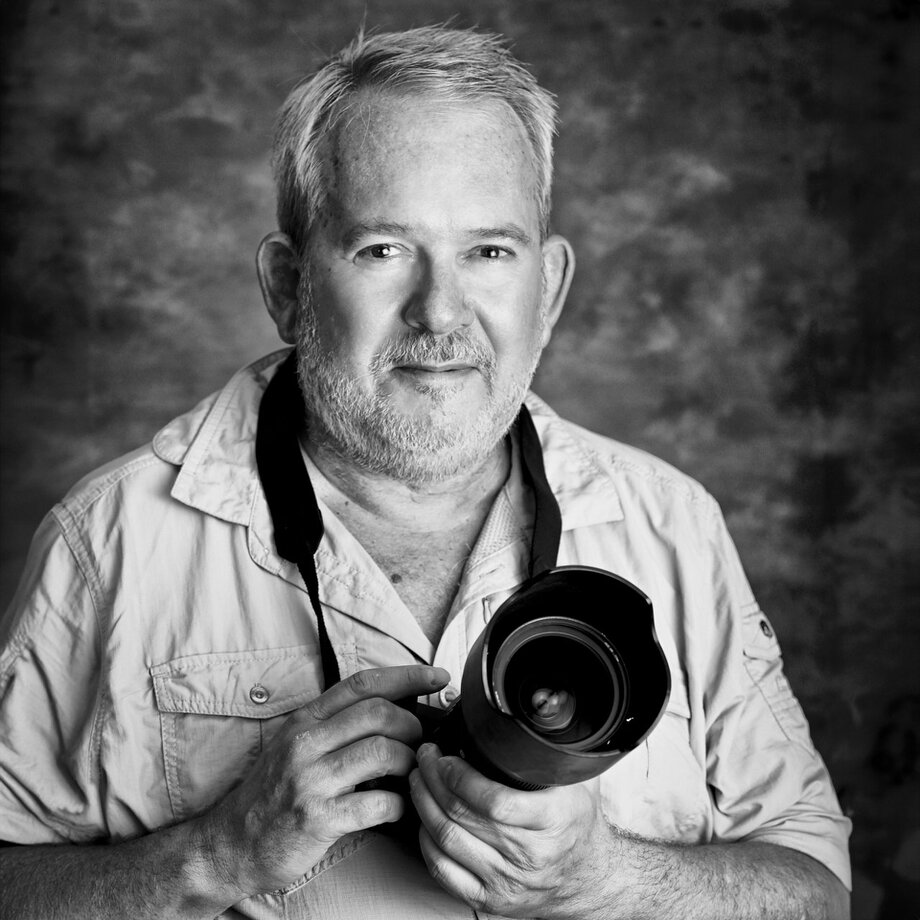
I am a wildlife photographer with more than thirty years of experience in African parks. I personally accompany the photographic safaris, sharing in the field what I have learned in real conditions: choice of light, composition, camera settings, animal behaviour, patience and image selection.
My approach is simple: observe before photographing, respect wildlife and give more value to the quality of the encounter than to the number of sightings. A photographic safari should not be a race from one animal to another, but a slower and more conscious experience, where every situation is read carefully: the direction of the light, the background, the position of the vehicle, the movement of the animals and the right moment to press the shutter.
Not Only Taking Pictures: Understanding, Choosing, Improving
The photographic support does not end when we return to the lodge.
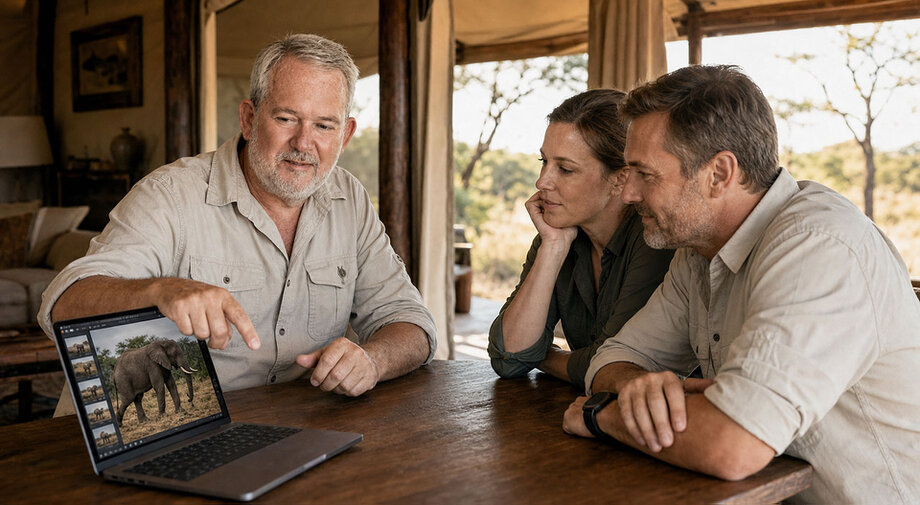
During the lunch break, or in the evening after the game drive, we can sit together and review the day: what worked well, which opportunities were captured, which technical or compositional choices could have been improved and how to prepare better for the next outing.
Whenever possible, we look at some images on the computer and discuss them together.
This is not a formal lesson, but a practical exchange between photography enthusiasts: selecting the strongest images, evaluating light and framing, possible cropping, exposure management, colour balance and first ideas for post-processing.
This moment of exchange is often very useful for the group as well. Each participant can see similar situations interpreted in different ways, discover new compositional solutions and share questions, doubts and ideas.
The safari therefore becomes not only a journey to photograph African wildlife, but also an opportunity to grow photographically, day after day, directly in the field.
Real Small Groups
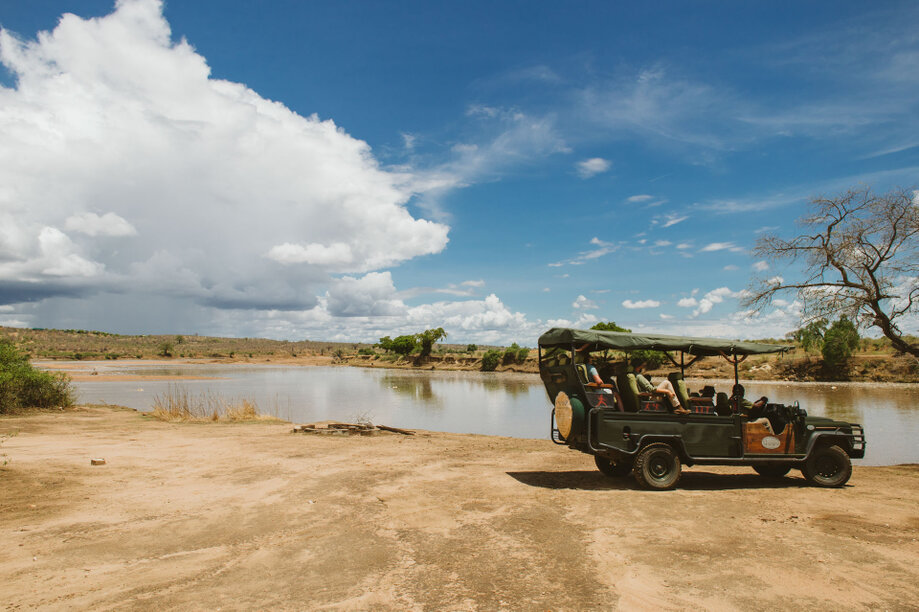
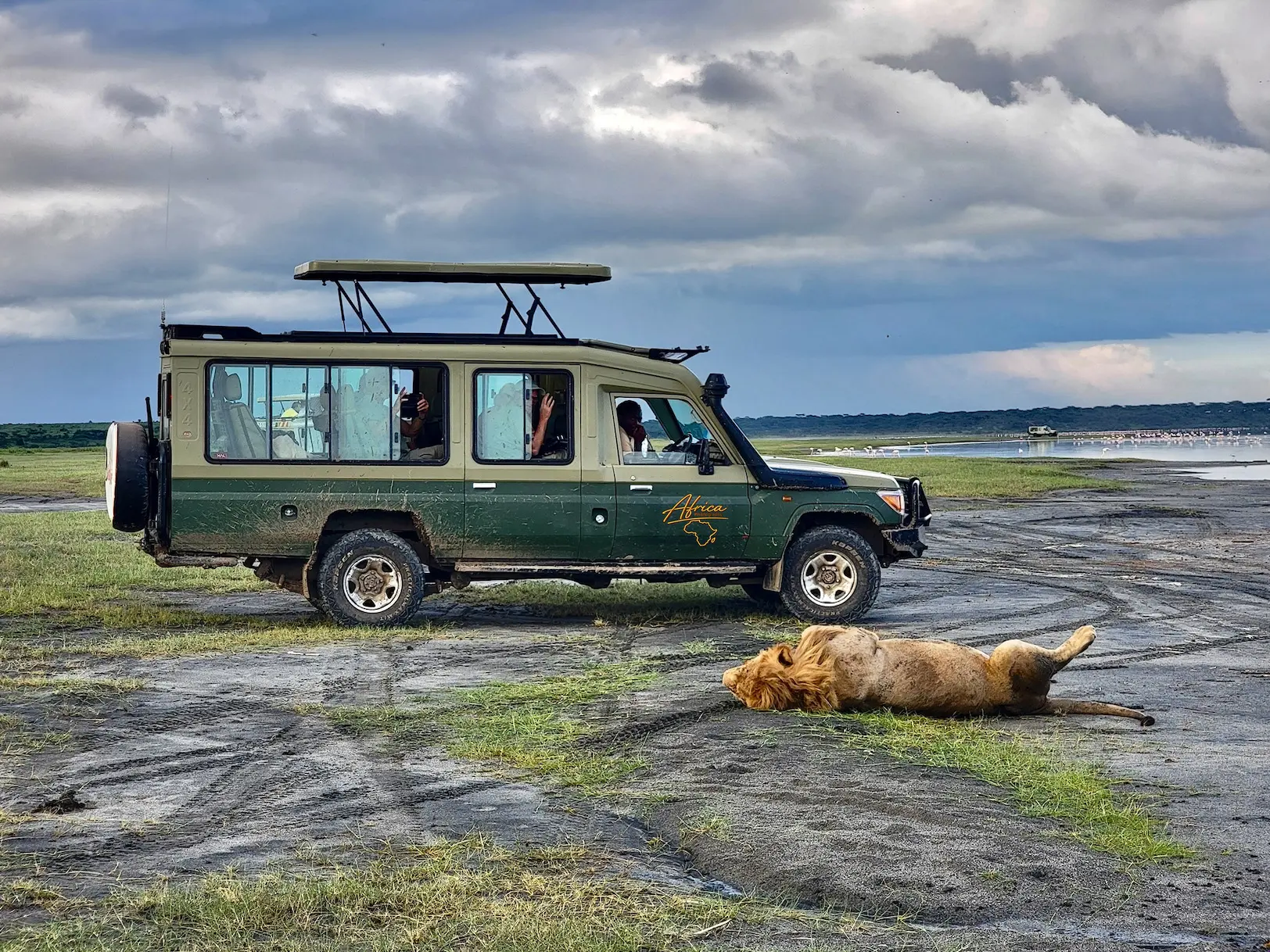
A maximum of 4 participants per vehicle, to ensure space, freedom of movement and better access to photographic angles.
More Time at Sightings
When the situation is interesting, the rhythm slows down. Staying, observing and waiting can make the difference between a simple documentary photograph and a stronger image.
Personal Photographic Support
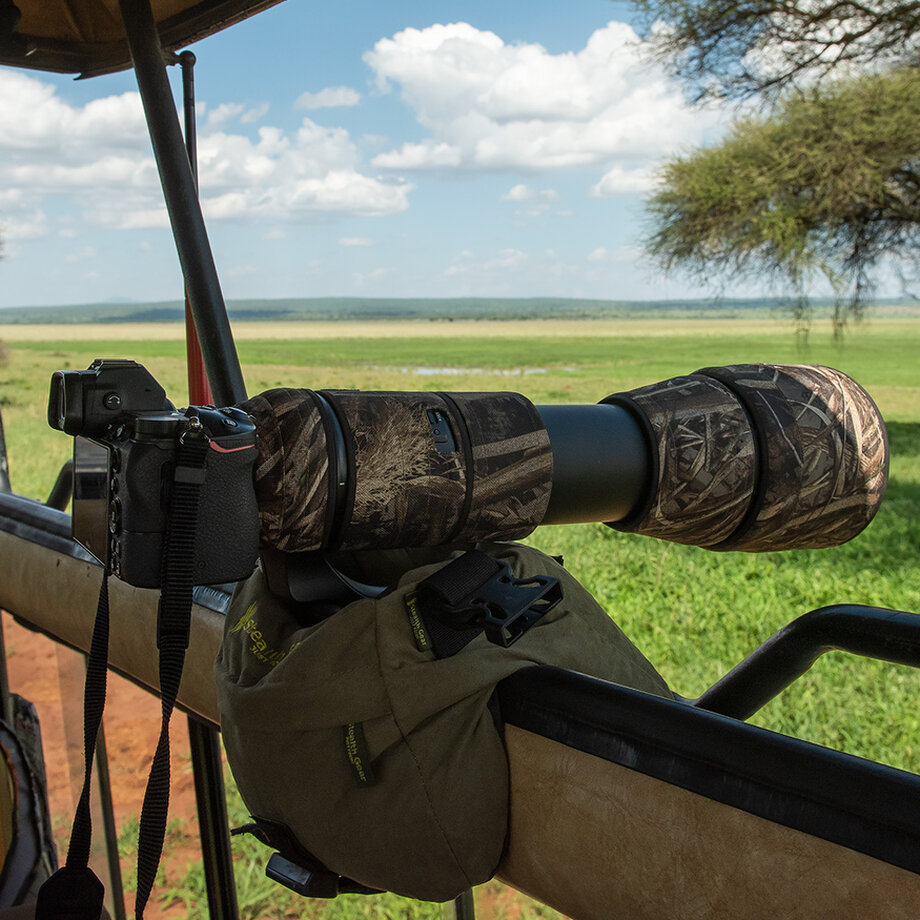
During the journey, I share field experience, camera settings, compositional choices, reading of light, animal behaviour and image selection.
Safaris in English, French, Italian or German
The photographic safaris can be accompanied in Italian, French, English or German, making communication, preparation and field discussions easier and more natural for each participant.
Italian and French are my mother tongues, while English and German can also be used throughout the journey for briefings, photographic advice, image discussions and day-to-day safari coordination. This multilingual approach helps create a more personal and comfortable experience, especially in small groups or private tailor-made safaris.
Ethics Before the Image
No photograph is worth the stress of an animal. Respecting distances, staying calm, remaining quiet and behaving correctly are an integral part of the way I experience safari.
FAQ sui safari fotografici
Tailor-Made Photographic Safari
Your Tanzania, Your Vision
Should you prefer a private journey, I can help you design a tailor-made photographic safari based on your interests, the season, the time available and the type of experience you are looking for.
It can be an itinerary dedicated to predators, elephants, birds, landscapes, or a balanced mix of photography and nature observation.
A Personal Photographic Approach
I personally accompany these safaris, sharing field experience, observation and photographic approach in a natural and informal way.
The journeys can be conducted in Italian, French, English or German, making the experience simpler and more direct from the planning stage onwards.
Safari fotografico su misura
Duration: ideally a minimum of 9 days, but flexibleParks: your choice, preferably focusing either on Southern Tanzania or Northern TanzaniaBeach extension: ideal to combine with ZanzibarIdeal for: individual travellers, couples, small groups or families