


Tanzania Photo Safari Report – A Fly-in Journey Through Ruaha and Katavi
A Safari Into the Remote Heart of Tanzania
Some safaris begin with a long road transfer and only slowly find their rhythm. This one begins differently. Leaving Dar es Salaam by small aircraft, the shift happens almost immediately. The city falls away, the landscape opens beneath the wings, and the journey already feels remote before the first game drive has even begun.
This 7-day fly-in photographic safari was built around two of the wildest and least crowded parks in Tanzania: Ruaha National Park and Katavi National Park. We spent three nights in each, travelling between them by internal flight and avoiding the long, tiring overland transitions that would otherwise consume both time and energy.
What makes this itinerary so rewarding is not only the wildlife, but the progression of the journey itself. Ruaha introduces the safari with scale, baobabs, and a powerful dry-country atmosphere. Katavi then takes that sense of remoteness even further, into a landscape that feels broader, harsher, and even less touched by tourism. The result is not simply a safari through two parks, but a journey that deepens as it unfolds.
Trip Summary
RouteDar es Salaam → Ruaha National Park → Katavi National Park → Dar es Salaam
Duration
6 nights / 7 days
Ruaha
3 nights
Katavi
3 nights
Style
Private fly-in photographic safari with minimal transfer fatigue
Best for
Wildlife photographers and safari travellers looking for remote, authentic, low-density parks
Private fly-in photographic safari with minimal transfer fatigue
Best for
Wildlife photographers and safari travellers looking for remote, authentic, low-density parks
Photography focus
Baobab landscapes, elephants, predators, behavioural scenes, wide wilderness settings, remote safari atmosphere
Baobab landscapes, elephants, predators, behavioural scenes, wide wilderness settings, remote safari atmosphere
From Dar es Salaam to Ruaha – When the Journey Opens Up
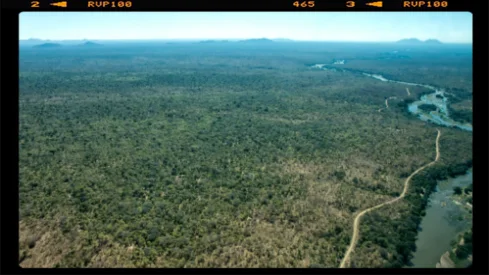
One of the strengths of this itinerary is how quickly it leaves the familiar behind. Flying out of Dar es Salaam changes the mood of the safari immediately. Instead of moving slowly toward the bush, you are suddenly above it, watching the country stretch outward in immense patterns of woodland, rivers, and dry terrain.
The stopover over Nyerere adds another subtle dimension to the journey. From the air, that vast southern landscape gives a first sense of Tanzania’s scale and reminds you how different the country becomes once you leave the classic northern routes behind. Even without staying there, the sight of that wilderness below already prepares the mind for what lies ahead.
By the time we arrived in Ruaha, the safari no longer felt like something that was about to begin. It had already started in the air. That is one of the quiet advantages of a fly-in journey like this: you reach the field with your attention intact, your energy preserved, and your sense of distance already awakened.
Ruaha National Park – Baobabs, Dry Light and Open Wilderness
Ruaha has an immediate visual power. The land feels dry, wide, and deeply textured, shaped by baobabs, rocky ground, riverbeds, and open country that seems to stretch without interruption. It is one of those places where the landscape itself already carries so much presence that every sighting feels part of something larger.
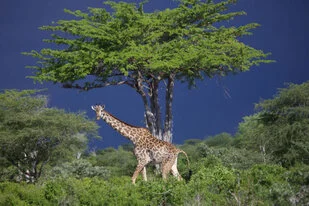
What struck me most in Ruaha was that sense of raw space. Elephants moved through baobab country with enormous dignity. Giraffes stood against dry horizons that seemed to belong to another era. Even quieter moments had weight there, because the setting never felt ordinary. Ruaha does not only offer wildlife. It offers a strong visual identity, and that identity shapes the whole photographic experience.
Photographically, Ruaha rewards patience and observation. The park is not only about numbers or quick sightings, but about how subjects sit within the landscape. Baobabs give structure. Dry riverbeds create lines. The harder light and more rugged terrain lend drama even to still scenes. A lion at rest, a small group of elephants crossing open ground, or a solitary antelope against a pale horizon can all feel unusually powerful in a place like this.
Another of Ruaha’s strengths is the low vehicle density. We could stay with sightings, adjust positions, and wait for light or behaviour to improve without the pressure that often defines more visited parks. That changes the quality of the experience in a fundamental way. Photography becomes more deliberate, less reactive, and far more satisfying.
Over three nights, Ruaha set the tone of the safari beautifully. It introduced the journey with wilderness, atmosphere, and a strong sense of place. Yet the structure of this itinerary means that Ruaha is only the first chapter. The second half leads even farther into remoteness.
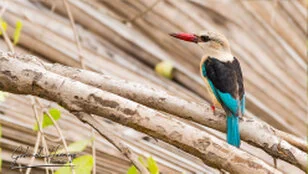
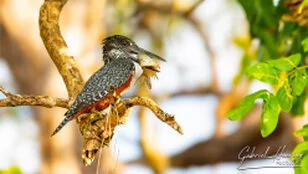
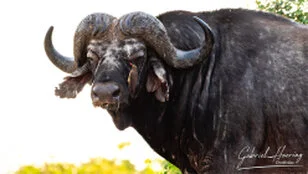
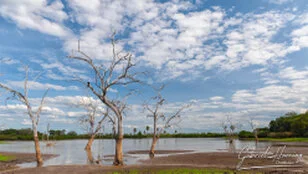
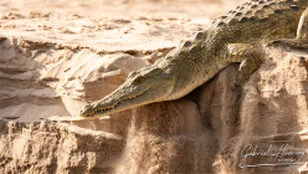
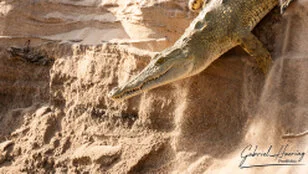
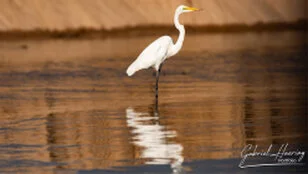
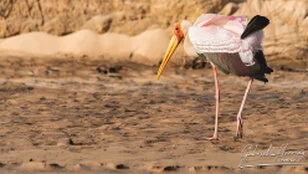
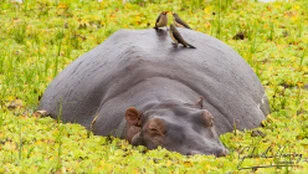
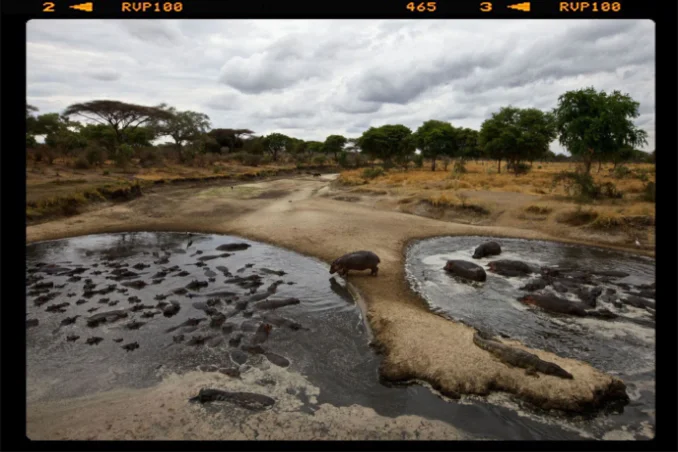
Flying from Ruaha to Katavi – Into a Deeper Silence
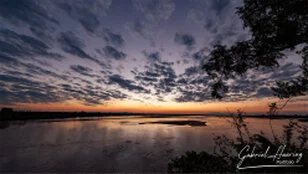
The flight from Ruaha to Katavi felt like a real continuation of the story rather than a simple transfer between destinations. Leaving Ruaha behind, there was already the sense that the safari was moving farther from the familiar and deeper into western Tanzania, into one of the least visited and most authentic wilderness regions in East Africa.
This is one of the things I value most about a route like this. It does not repeat itself. Ruaha gives the journey a strong beginning, but Katavi changes the scale of solitude. From the air, the landscape seems to widen and empty. There is less sense of settled country, less sense of human presence, and more of that rare feeling that the safari is heading into somewhere truly remote.
By the time we landed, the mood had shifted again. Ruaha had felt vast and rugged. Katavi felt even more isolated, more elemental, and somehow more silent. It was immediately clear that this second park would not simply extend the safari. It would deepen it.
Katavi National Park – Remote, Powerful and Unscripted
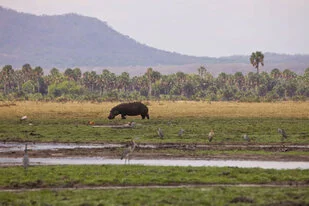
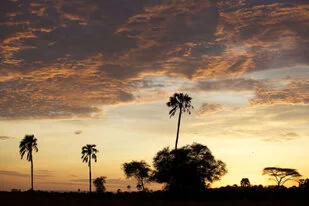
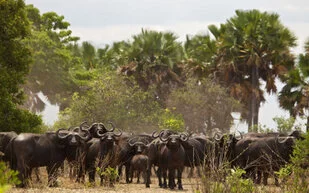
Katavi has a very different presence from Ruaha. Where Ruaha feels dry, textured, and defined by baobabs, Katavi feels broader, flatter in parts, and more open to the horizon. Yet it is not emptiness that defines it. It is intensity held within space. The plains, seasonal waterways, woodland edges, and isolated palm and tree lines all create a landscape that feels both expansive and charged.
What stayed with me most in Katavi was the sensation of being far away from everything. Not only geographically, but psychologically as well. There were no signs of safari pressure, no sense of crowding, and no impression that the wilderness had been arranged for visitors. Katavi felt unscripted. That alone changes the way you move through a place.
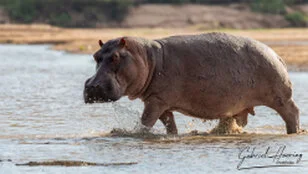
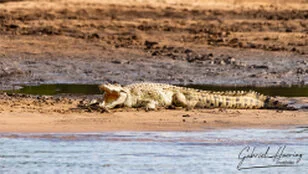
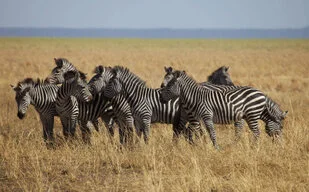
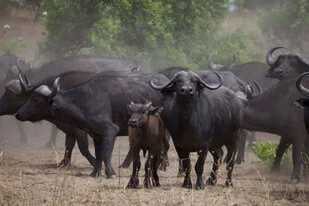
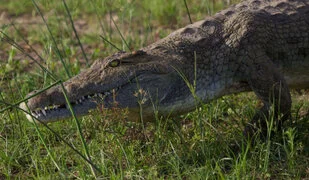
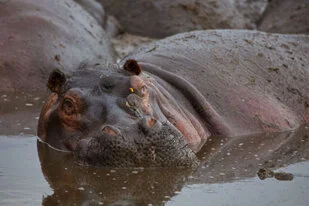
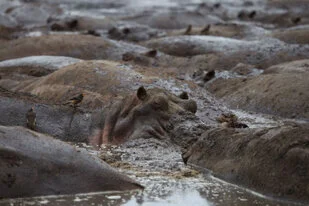
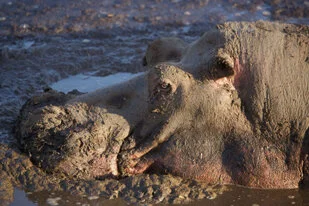
The wildlife experience there reflected that same feeling. Herds and individual animals seemed to belong completely to the land around them, without distraction or interruption. Every sighting felt quieter, more self-contained, and somehow more serious. The remoteness of Katavi gives the park a weight that is difficult to reproduce elsewhere.
Photographically, Katavi is deeply rewarding because it combines strong subjects with a remarkable sense of isolation. Scenes are not crowded with vehicles or visual noise. There is space around the wildlife, space in the background, and space in the image itself. That allows compositions to breathe. It also means that the mood of the landscape becomes just as important as the animal being photographed.
Another important aspect of Katavi is unpredictability. The park never feels staged. It feels alive in a more uncompromising way, where each drive can unfold very differently from the one before. That unpredictability is part of its appeal. You are not moving through a familiar safari rhythm. You are entering a landscape that still holds a strong sense of wilderness on its own terms.
After the structured beauty of Ruaha, Katavi brought a different emotional register. It felt less shaped, less defined, and even more remote. That contrast made the second half of the journey particularly memorable. Ruaha had introduced the safari with strength and atmosphere. Katavi carried it into something even quieter and more profound.
Why Ruaha and Katavi Work So Well Together
One of the real strengths of this itinerary is how naturally the two parks complement one another. Ruaha offers dramatic baobab country, dry light, strong visual lines, and a classic southern Tanzania wilderness feeling. Katavi takes the safari farther into remoteness and strips it back even more, offering a broader and more isolated experience of the bush.
Together, they create a journey with both continuity and contrast. Both parks are authentic, low-density, and deeply rewarding for photography, yet each expresses wilderness differently. Ruaha feels rugged and sculptural. Katavi feels open, distant, and more elemental. That progression gives the safari an emotional arc rather than making it feel like two similar destinations linked together.
The fly-in structure is essential to that success. These are vast parts of Tanzania, and overland travel would inevitably reduce both time in the field and the freshness with which each park is experienced. By flying, the journey remains focused on the places themselves rather than the effort of reaching them. Energy is preserved, the safari feels lighter, and every day is used where it matters most: in the landscape.
Final Reflections – A Safari That Grows in Depth
What made this journey so memorable was not simply the wildlife, but the way the experience intensified from one stage to the next.
Ruaha opened the safari with powerful scenery, baobabs, dry-country beauty, and a strong sense of visual drama. Katavi then carried the journey farther into silence and remoteness, into a wilderness that felt even less touched and more unpredictable. Together, they created a safari that was not only productive for photography, but deeply immersive in atmosphere.
For travellers looking beyond the better-known safari circuits, this route offers something rare: the chance to experience Tanzania at a slower, quieter, and more authentic scale. It is not a safari defined by crowds or constant movement. It is defined by space, patience, and the feeling of being genuinely inside the bush.
That, in the end, is the real value of a fly-in journey through Ruaha and Katavi. It is not only about what you see. It is about how the safari feels while you are living it: remote, grounded, expansive, and increasingly unforgettable.
Interested in Your Own Fly-in Photographic Safari in Tanzania?
If this quieter and more remote side of Tanzania appeals to you, explore my private fly-in photographic safaris in Western and Southern Tanzania and get in touch to plan your own journey through Ruaha, Katavi, and other truly wild parks.