Nyerere
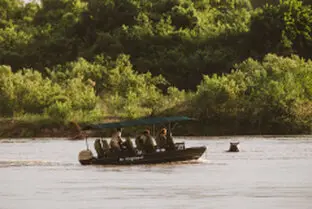
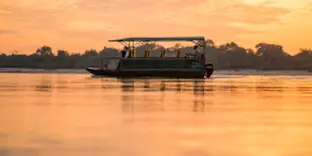
River landscapes, floodplains, hippos, crocodiles, elephants, birds and boat-safari perspectives.
Rufiji River Camp · Nyerere National Park · Southern Tanzania
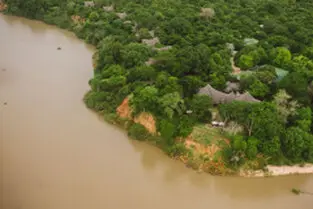
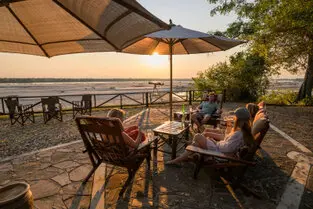
Set above the Great Rufiji River, the camp brings photographers directly into the atmosphere that makes Nyerere special: water, reflections, hippos, crocodiles, elephants, birds, river light and the quiet rhythm of a vast wilderness.
The setting
Rufiji River Camp is the Nyerere base of my November 2027 Nyerere & Ruaha Photographic Safari in Southern Tanzania. It is the first chapter of a journey that continues into the dry baobab landscapes of Ruaha.
The Great Rufiji River gives the landscape rhythm and identity. It creates reflections, low viewpoints, mist, backlight, sandbanks, reeds, channels and riverbank behaviour that cannot be photographed in the same way in purely land-based parks.
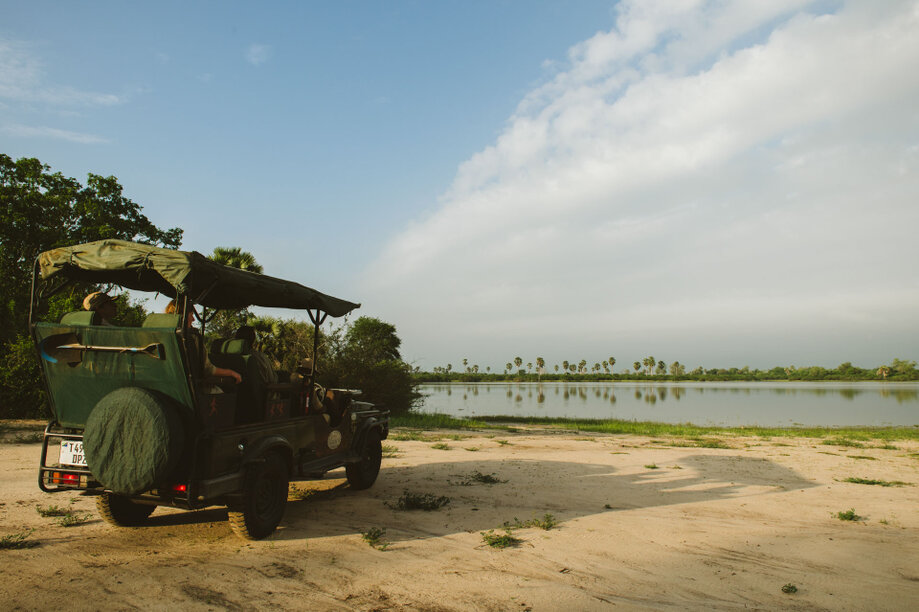
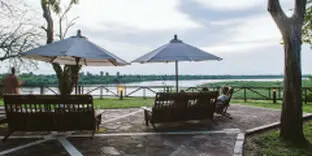
A stop in a viewpoint to obvserve action in the Great Rufiji River.
Essential information
| Location | On the banks of the Great Rufiji River in the north-eastern photographic section of Nyerere National Park, formerly part of the Selous Game Reserve. |
|---|---|
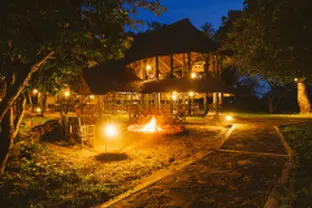
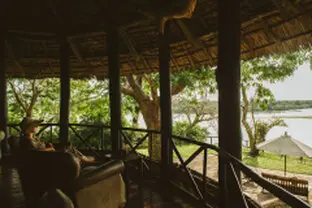
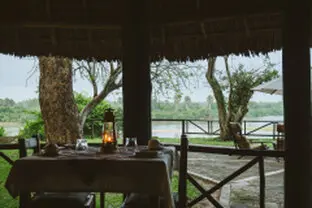
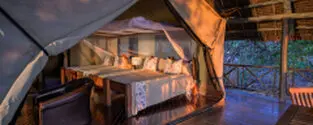
| Camp character | A classic riverfront tented camp with raised tents, panoramic verandas and constant views toward the Rufiji River and surrounding wilderness. |
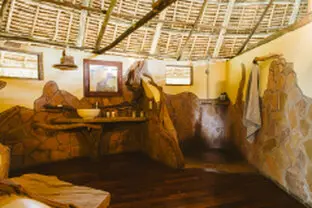
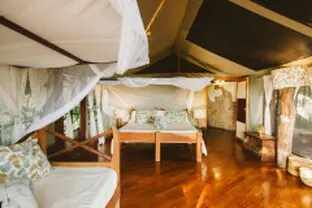
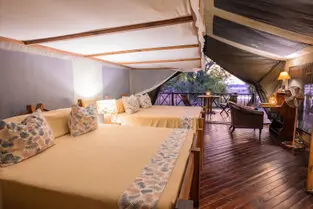
| Accommodation | Eleven classic canvas tents on raised wooden platforms beneath thatched A-frame roofs, plus three family suites. |
| Room features | Spacious verandas overlooking the river, en-suite bathrooms and hot running water. |
| Family suites | Two large tents on a shared wooden deck, with private outdoor space and a plunge pool. |
| Opening and seasons | The dry season from June to late October is usually strongest for game viewing. November and December bring short rains, fresh light, migrant birds and young animals. |
| Nearest airstrip | Mtemere Airstrip, a short distance from camp, provides an efficient fly-in transition from Dar es Salaam. |
| Main activities | Game drives, guided walking safaris, boat safaris, bush breakfasts, sundowners and private drives depending on arrangements and availability. |
| Wildlife character | Hippos, crocodiles, elephants, buffaloes, giraffes, zebras, predators, African wild dogs, kingfishers, fish eagles and rich wetland birdlife. |
| Photographic value | River landscapes, reflections, boat-level perspectives, bird photography, wildlife along water, atmospheric light and camp-based observation. |
The November 2027 journey
Nyerere brings water, wetlands, birds, hippos, crocodiles and soft river light. Ruaha brings baobabs, dry riverbeds, elephants, predators and rugged wilderness.
River landscapes, floodplains, hippos, crocodiles, elephants, birds and boat-safari perspectives.
Reflections, sandbanks, reeds, mist, backlight and intimate encounters shaped by water.
Baobabs, dry light, elephants, predators, open country and rugged Southern Tanzania wilderness.
A complete visual story from river ecosystems to dry baobab landscapes and predator country.
Field experience
After the long dry season, the first seasonal changes may begin to soften the landscape while wildlife remains strongly connected to rivers, lakes and permanent water. For photographers, this creates a balance of river activity, birdlife, atmospheric skies, lower visitor density and more varied backgrounds.
Watch and explore
Independent guest feedback
Rufiji River Camp is rated 4.7 out of 5 from 374 reviews and is listed among the leading specialty lodgings in the Selous/Nyerere area on Tripadvisor.
Read recent guest experiences and see current traveller photographs directly on Tripadvisor.
Read reviews on TripadvisorRating and review count were verified in September 2026 and may change over time.
Photograph Southern Tanzania
From the river landscapes of Nyerere to the baobab wilderness of Ruaha, this safari offers two very different photographic worlds within one compact Southern Tanzania itinerary.
Camp details, room configuration, facilities, activities, opening periods and availability should always be confirmed at the time of booking, as operations, park conditions and seasonal river levels may change.