Tarangire, Lake Natron and Mkomazi Safari Report: A Quieter Northern Tanzania
A journey beyond the familiar northern circuit, from Tarangire’s elephants and baobabs to the flamingos and volcanic landscapes of Lake Natron, before ending among black rhinos, raptors and the open plains of Mkomazi.
This is the report of a completed journey, created to describe the atmosphere and photographic character of the route. Personal itinerary planning, accommodation, prices and enquiries are presented separately on the bespoke Tanzania safari page .
A different way through northern Tanzania
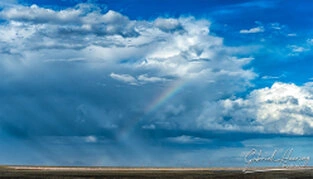
November in northern Tanzania is often underestimated. The returning rains begin to refresh the landscape, skies become more dramatic and softer light replaces some of the harshness of the dry months.
This journey was designed to avoid the classic route that normally continues from Tarangire towards Ngorongoro and the Serengeti. Instead, we turned north towards Lake Natron and later east to Mkomazi.
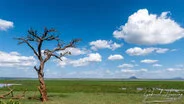
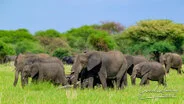
The progression introduced three very different visual environments. Tarangire offered baobabs, elephants and warm wildlife encounters. Lake Natron brought volcanic landscapes, flamingos and immense horizons. Mkomazi concluded the story with open plains, black rhinos, elephants and raptors.
The aim was not to replace Tanzania’s iconic northern parks. It was to experience another side of the country: quieter, less travelled and governed by a slower rhythm.
The off-the-beaten-track route
The original Google map shows the unusual progression from Arusha to Tarangire, north to Lake Natron and east towards Mkomazi National Park.
Baobabs, elephants and golden light
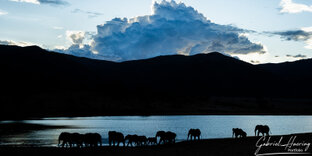
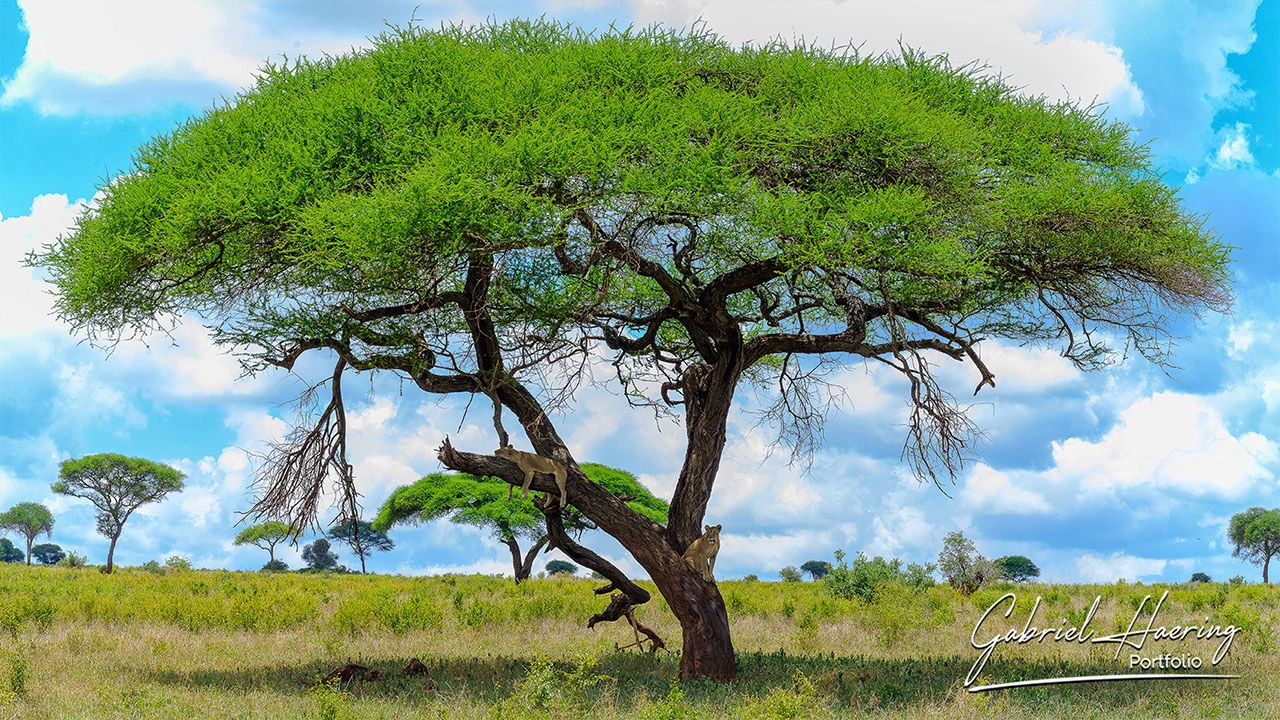
We left Arusha and entered a landscape of ancient baobabs, open savannah and winding riverbeds. Even in November, Tarangire retained the strong sense of place that makes it different from every other northern Tanzanian park.
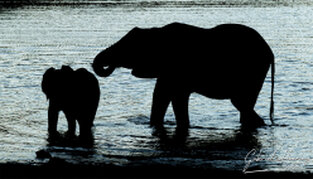
Early mornings were shaped by light. The first sun passed through dust and moisture, elephants moved quietly between acacias and birds became increasingly active as the temperature rose.
With relatively few vehicles around, there was time to position carefully and allow behaviour to develop. Large elephant families crossed open areas, while cheetahs resting in the shade offered calm portrait opportunities.
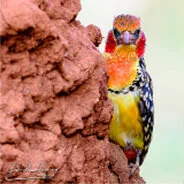
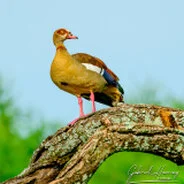
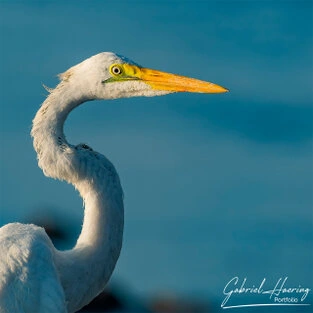
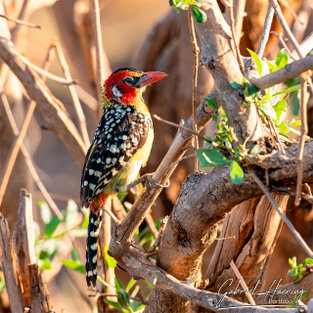
Birdlife added colour and movement. The changing seasonal conditions benefited many species, making even the periods between larger wildlife encounters photographically rewarding.
Tarangire established the tone of the journey: quiet, authentic and full of atmosphere.
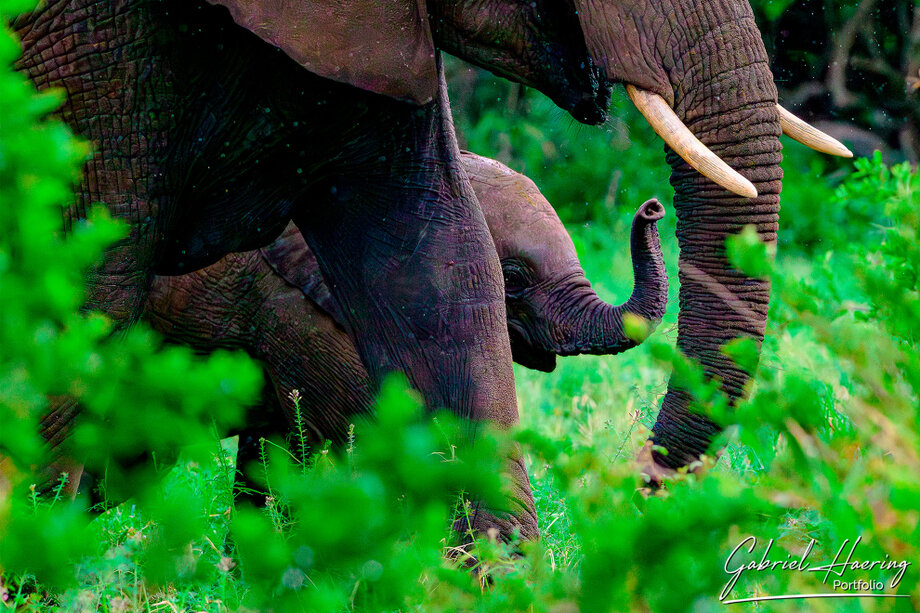
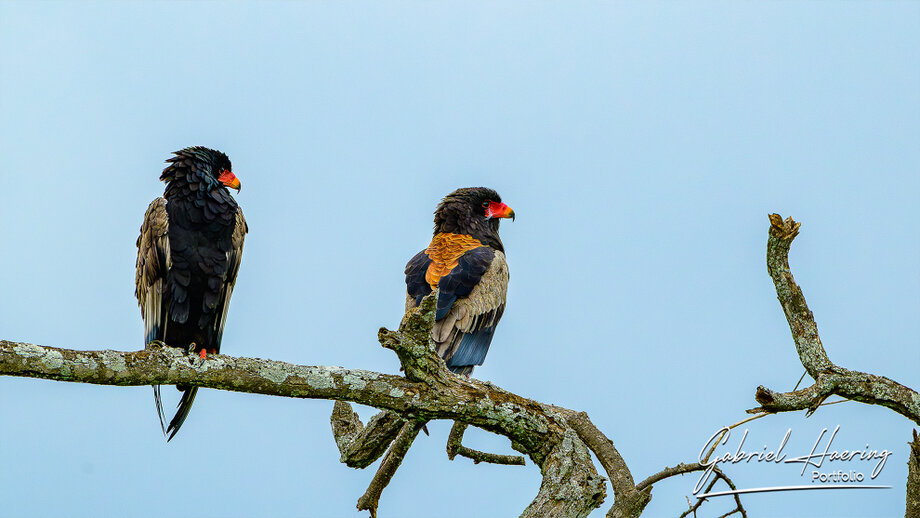
Tarangire introduced the journey through wildlife. Lake Natron would change the scale completely.Field notes · Northern Tanzania
Flamingos, silence and Ol Doinyo Lengai
The drive north from Tarangire was part of the experience. The scenery changed gradually and the feeling of being removed from familiar safari routes became stronger with every kilometre.
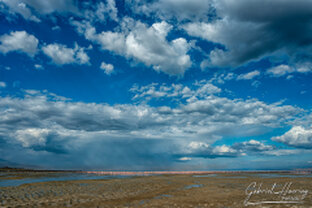
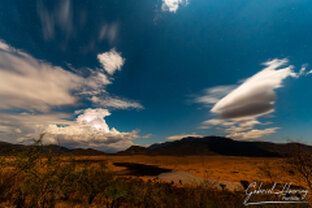
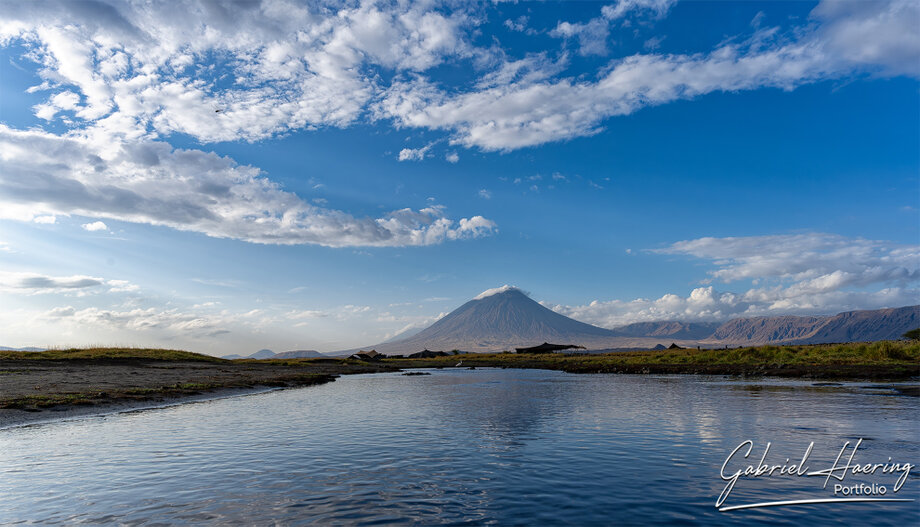
Lake Natron is not defined by the density of big game. Its power comes from atmosphere, texture and space. Alkaline flats, the walls of the Rift Valley and immense skies create a landscape that can feel almost surreal.
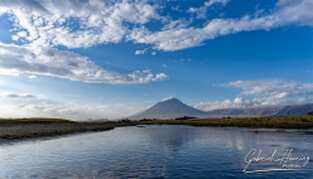
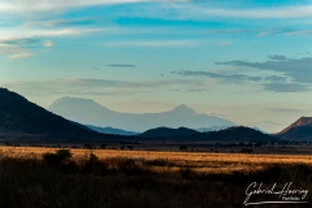
Ol Doinyo Lengai dominated the wider environment. The sacred Maasai volcano sometimes appeared clear and sharply defined; at other moments it was partially concealed by cloud, adding still more drama to the landscape.
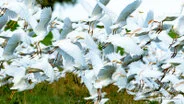
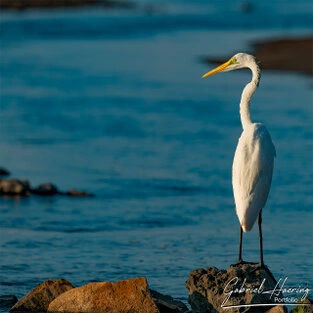
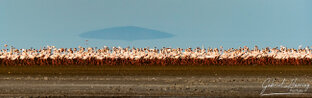
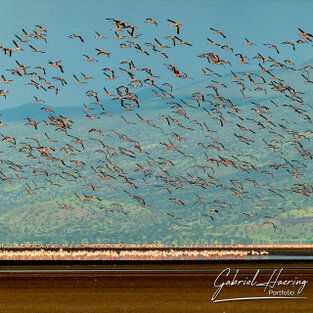
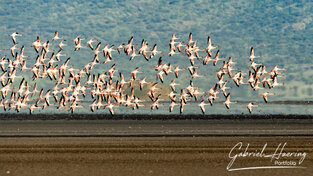
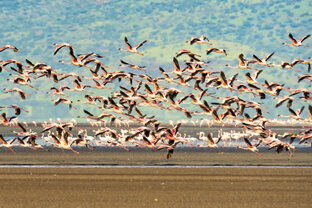
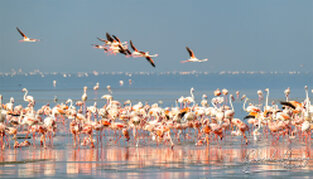
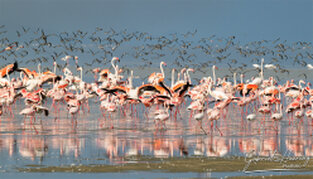
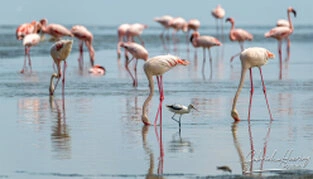
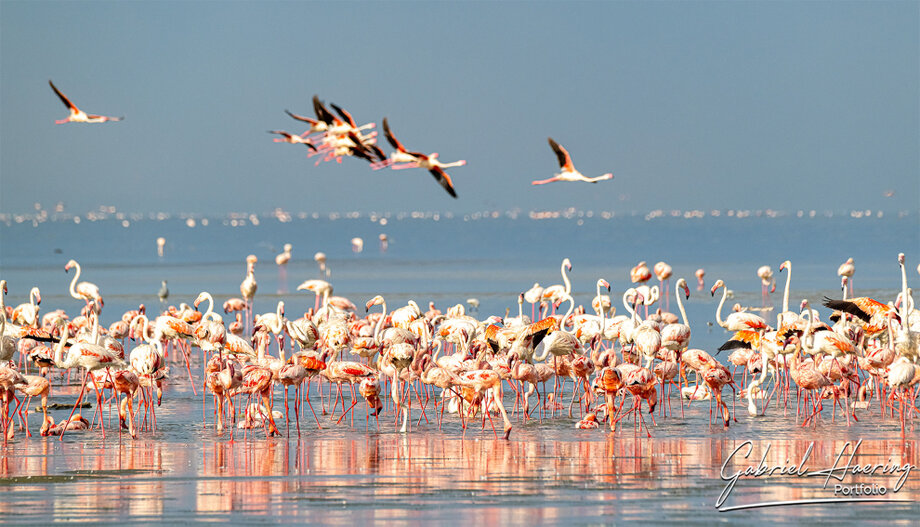
Flamingos brought movement and colour to this restrained setting. At sunrise and sunset, warm light illuminated the birds, reflections and patterns in the shallow water.
Some of the most rewarding sessions were also the quietest: long periods without interruption, without other vehicles and without pressure to move on.
Black rhinos, raptors and open plains
Mkomazi delivered the sense of wilderness we had hoped to find. Bordering the greater Tsavo ecosystem, the park combined open plains, thorn scrub, distant hills and dramatic skies.
Each drive felt exploratory rather than routine. The large spaces and very low vehicle density allowed the landscape to remain present around every wildlife encounter.
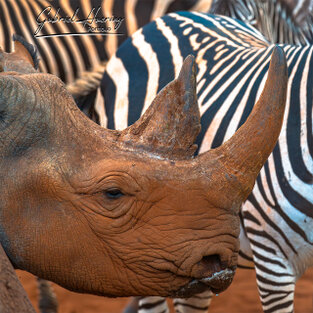
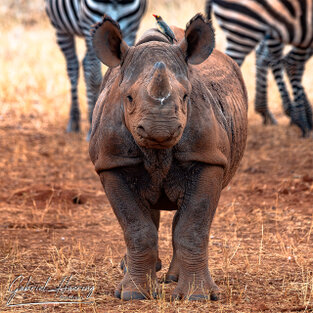
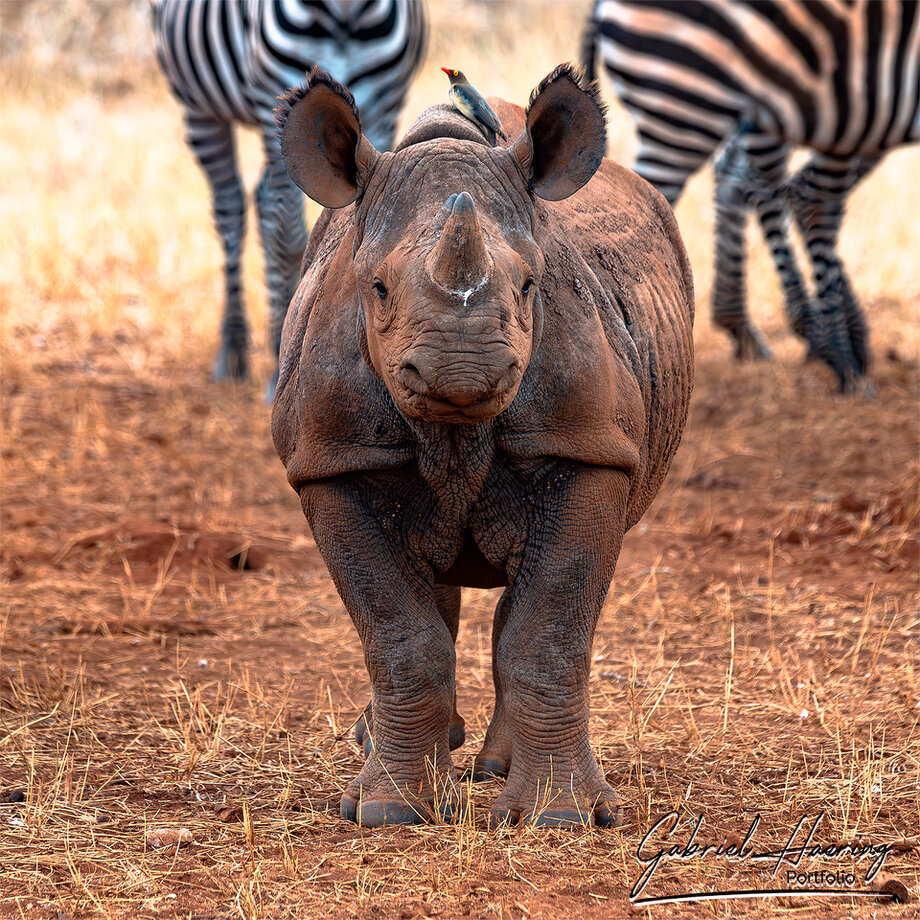
The black rhino encounter became one of the defining moments of the journey. Seeing this rare animal in such a quiet setting carried a feeling of privilege that went beyond the sighting itself.
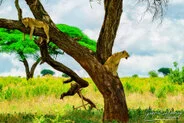
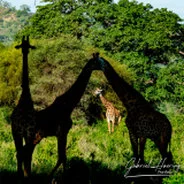
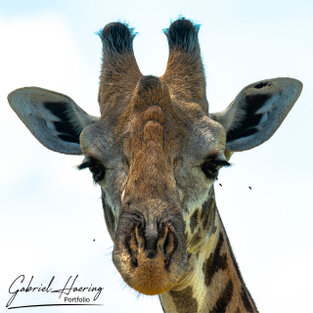
Lions offered time for portraits and behavioural details, while elephants moved across open ground in beautiful light. Giraffes browsed among acacias, and zebra and hartebeest shared the plains in classic open-habitat scenes.
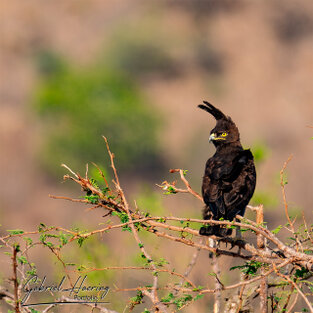
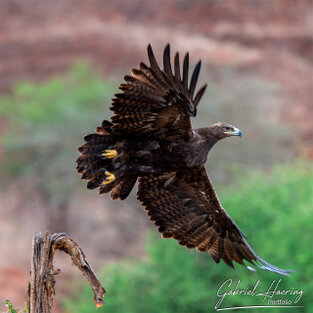
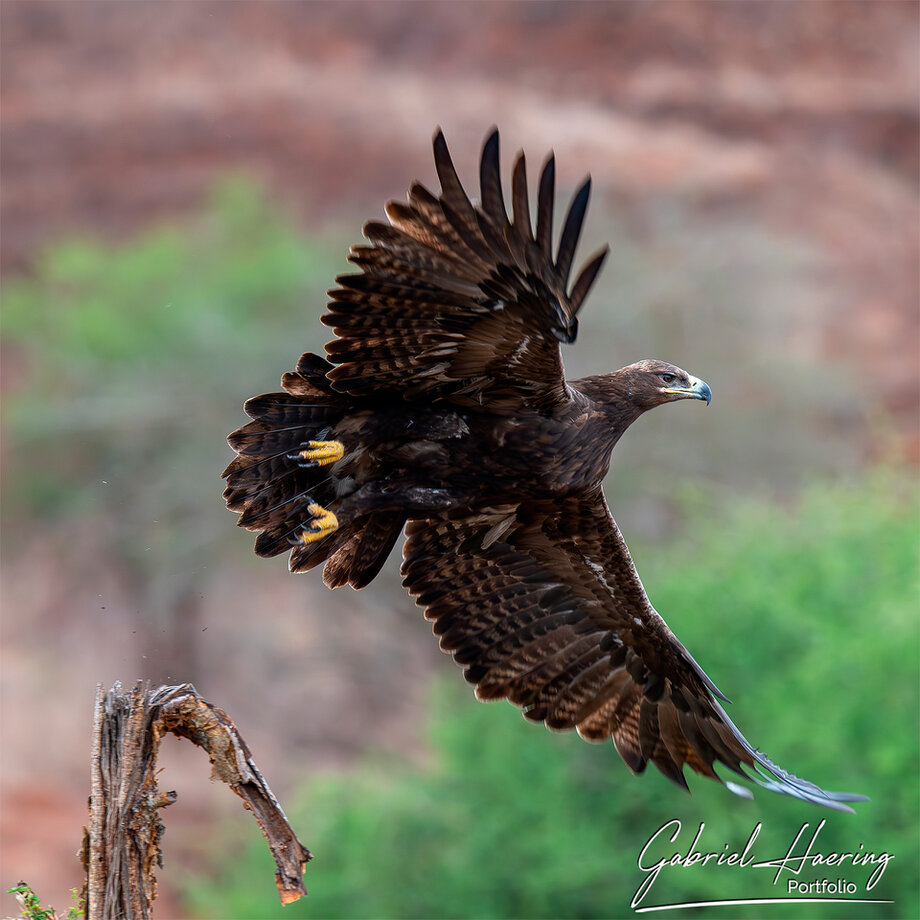
Birdlife was outstanding. Eagles provided repeated opportunities for perched portraits, scanning behaviour and flight photography against uncluttered skies.
What ultimately defined Mkomazi was not only the wildlife. It was the simple luxury of time: remaining with a subject, changing angles and allowing the moment to unfold naturally.
Why the route worked
The itinerary remained coherent because every destination introduced a different way of seeing northern Tanzania.
Wildlife within a strong landscape
Tarangire introduced elephants, baobabs, birds and warm light within a recognisable wildlife environment.
- Elephant families and natural behaviour
- Baobabs and open savannah
- Colourful and varied birdlife
- Warm light, moisture and atmospheric skies
Landscape, flamingos and silence
Lake Natron changed the scale of the journey through volcanic scenery, immense horizons and minimalist compositions.
- Lesser flamingos and shallow-water patterns
- Ol Doinyo Lengai and the Rift Valley
- Sunrise and sunset reflections
- Long sessions without crowd pressure
Open wilderness and rare wildlife
Mkomazi concluded the route with black rhinos, elephants, predators, raptors and a profound sense of space.
- Black rhino conservation encounters
- Lions, elephants and open-country wildlife
- Eagles and excellent raptor photography
- Very low vehicle and visitor density
The value of travelling beyond the familiar route
The journey succeeded not because it attempted to include everything, but because it created space for observation, contrast and discovery.
Fewer vehicles
Lower visitor density allowed more time at sightings and reduced the pressure to move before a scene had developed.
Landscape variety
Baobab country, alkaline flats, volcanoes and open plains created three clearly different photographic environments.
Time to observe
The slower rhythm allowed behaviour, light and composition to become more important than rapidly collecting sightings.
Authentic discovery
Travelling away from the busiest circuit restored the feeling of entering landscapes rather than following a predetermined checklist.
A different Northern Tanzania
The route delivered the experience we had hoped for: a journey through northern Tanzania that felt quiet, varied and deeply connected to the landscapes.
Tarangire’s baobabs and elephants, Lake Natron’s otherworldly setting and Mkomazi’s open wilderness created an itinerary that was diverse without feeling disconnected.
The guests repeatedly mentioned how refreshing it was to travel away from the busiest routes and how much they valued the peaceful rhythm of the journey.
The absence of constant vehicle pressure made wildlife encounters feel more personal, while the changing landscapes ensured that every stage introduced something visually new.
The journey was not built around a checklist. It was built around experience, light, silence and discovery.Gabriel Haering
Use this report as inspiration
This page documents one completed journey and explains why Tarangire, Lake Natron and Mkomazi worked so well together. It is an editorial account, not a fixed commercial itinerary.
A future route can be adapted according to season, wildlife interests, preferred pace, photographic priorities and available travel time.
All commercial information, itinerary planning, accommodation options, costs and enquiries remain on the dedicated bespoke safari page. This separation avoids SEO cannibalisation between the report and the commercial offer.