Tarangire National Park · Northern Tanzania
Wildlife, Birds, Elephants and Baobabs in Tarangire
Tarangire National Park is one of Northern Tanzania's most distinctive destinations for wildlife photography.
Elephants, baobabs, savannah, acacia trees, open areas, seasonal waterways and the Tarangire River create a landscape
that is very different from Ndutu, the Serengeti or Ngorongoro.
This page introduces some of the most representative animals that may be observed during a safari in Tarangire,
together with an indicative estimate of the sighting probability for the main species. These percentages are not guarantees:
wildlife remains wild, and every game drive depends on the season, light, water levels, time spent in the field, local conditions
and luck.
From a photographic perspective, Tarangire is particularly rewarding for environmental images: elephants among baobabs,
giraffes on the savannah, zebras and wildebeest on the move, lions in the shade, raptors perched on branches, colourful birds
and atmospheric African scenes, especially during the softer hours of daylight.
Why Tarangire Is Special for African Wildlife
Tarangire is one of Northern Tanzania's most photogenic parks because it combines impressive wildlife,
distinctive landscapes and monumental trees. Elephants are the park's signature subject, but its photographic
value comes above all from the environment: baobabs, dust, golden grass, side light and animals framed
within a remarkably characteristic setting.
Elephants and baobabs
Tarangire is ideal for photographing elephants among baobabs, acacia trees, dust and warm light.
Predators and large herbivores
Lions, leopards, cheetahs, buffaloes, zebras, wildebeest, giraffes, impalas and antelopes enrich the safari.
Birds and dry-savannah species
Raptors, secretary birds, rollers, kingfishers and species associated with acacia trees and baobabs add photographic variety.
The Big Five in Tarangire National Park
For clarity, this section presents the Big Five separately: lions, elephants, buffaloes, leopards and black rhinos.
In Tarangire, the most important subjects are elephants, lions, buffaloes and, with greater luck, leopards. The black rhino
should not be considered a realistic photographic subject during a safari in the park.
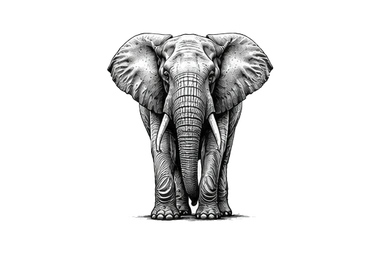
Big Five · Symbol of Tarangire
Elephants
Elephants are Tarangire's most iconic subject. They are ideal for environmental images featuring baobabs,
dust, monumental trees, family groups and warm light.
Probability: > 95%
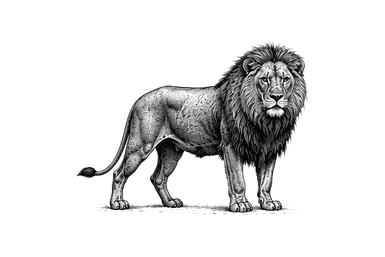
Big Five · Predators
Lions
Lions are present in Tarangire and can offer highly rewarding photographs, particularly when
framed within the savannah landscape, resting in the shade or near areas where herbivores gather.
Probability: > 70%
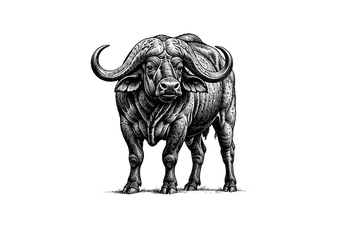
Big Five · Large Herbivores
Buffaloes
Buffaloes are powerful subjects that help tell the story of Tarangire's wildlife. They can be photographed
in groups, in direct portraits or as part of broader environmental scenes.
Probability: > 75%
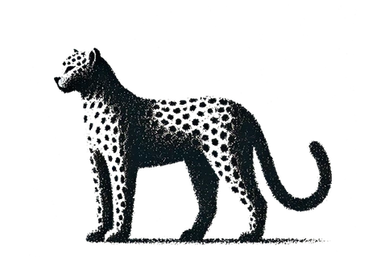
Big Five · Elusive Predators
Leopards
Leopards are present but more elusive. With luck, they may be photographed in Tarangire, especially in wooded areas,
quieter locations and habitats with denser vegetation.
Probability: > 40%
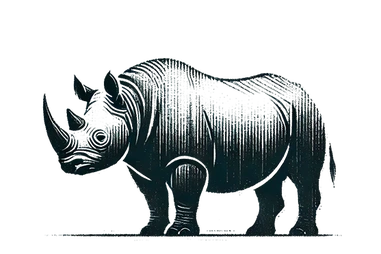
Big Five · Not Realistic in Tarangire
Black Rhinos
The black rhino is included to complete the Big Five section, but it should not be considered
a realistic subject during a photographic safari in Tarangire National Park.
Probability: 0%
Predators and Carnivores of Tarangire
Tarangire is not only an elephant park. Its herbivores, open areas, vegetation and seasonal waterways
also create rewarding opportunities for predators and carnivores. Some encounters are realistic, while others are more
occasional, but they all contribute to the park's photographic story.
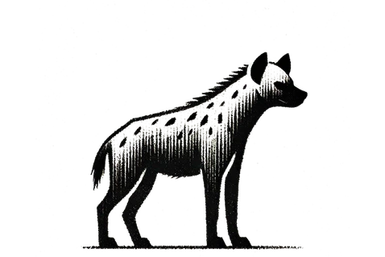
Predators and Scavengers
Hyenas
Hyenas are rewarding subjects for documenting movement, behaviour and interactions with other predators.
They may be observed during the cooler hours and in areas frequented by herbivores.
Probability: > 50%
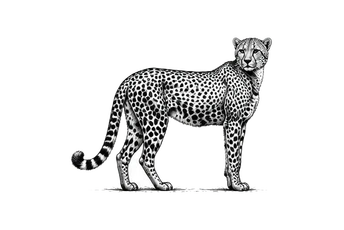
Predators
Cheetahs
Cheetahs are possible but are not among Tarangire's most reliable subjects. A sighting should be considered
a fortunate encounter, especially in more open areas with good visibility.
Probability: > 10%
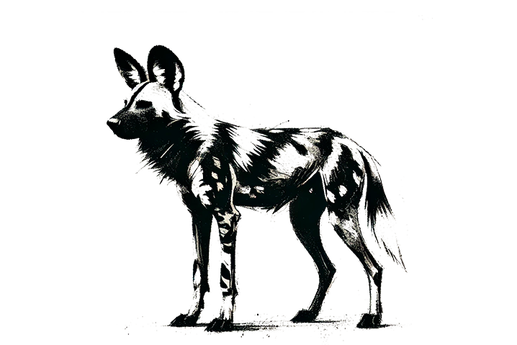
Rare Predators
African Wild Dogs
African wild dogs should not be considered a predictable subject in Tarangire.
When encounters do occur, however, they can be extremely dynamic and photographically powerful.
Probability: variable
Smaller Carnivores
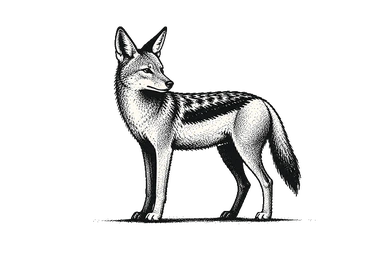
Jackals
Jackals are small but interesting subjects for scenes of movement, alertness and behaviour.
They add variety and rhythm to the photographic narrative.
Probability: variable
Herbivores, Antelopes and Landscapes of Tarangire
Herbivores are fundamental to telling the story of Tarangire. Giraffes, zebras, wildebeest, impalas, gazelles, waterbuck,
oryx, antelopes and warthogs provide opportunities for environmental images and reveal the relationship between savannah,
baobabs, acacia trees, dust and seasonal water.
Large Herbivores
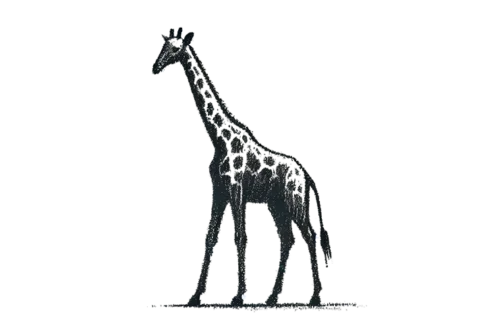
Giraffes
Giraffes are elegant subjects ideally suited to Tarangire's landscape. Their vertical lines
work beautifully with acacia trees, baobabs and open spaces.
Probability: > 85%
Herbivores
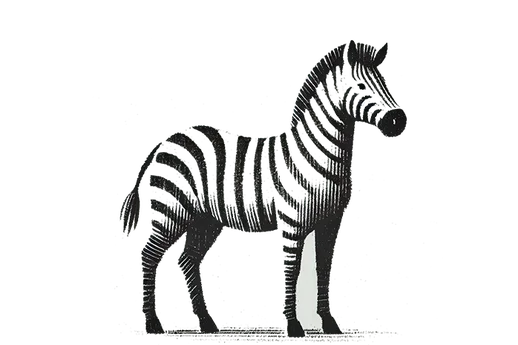
Zebras
Zebras offer strong graphic opportunities through their stripes, groups, repetition and movement.
They are ideal for clean compositions and environmental images.
Probability: > 70%
Herbivores
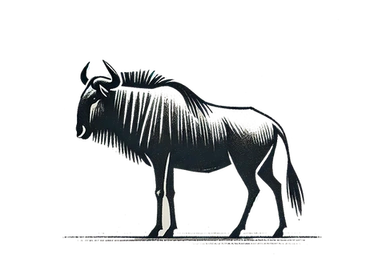
Wildebeest
Wildebeest add movement and context to the savannah. They help convey the presence of herbivores
and Tarangire's seasonal dynamics.
Probability: > 60%
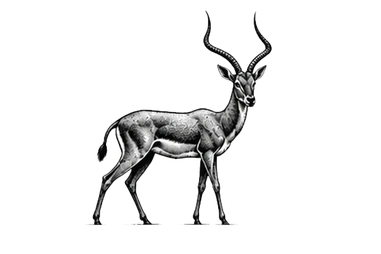
Antelopes
Impalas
Impalas are elegant, dynamic and rewarding for scenes of behaviour, alertness and predator-prey relationships.
They are highly versatile photographic subjects.
Probability: > 60%
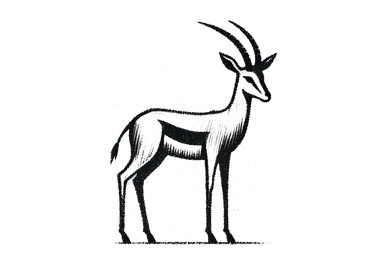
Antelopes
Gazelles
Gazelles are graceful, graphic subjects. They are rewarding for uncluttered images, movement,
group scenes and clean backgrounds.
Probability: > 50%
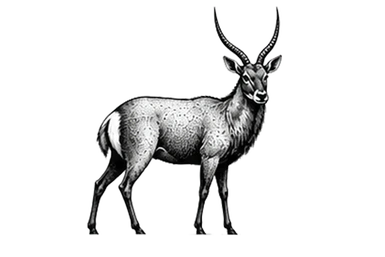
Antelopes and Wetlands
Waterbuck
Waterbuck are associated with wetter areas and waterways. They are rewarding for environmental photographs near the Tarangire River
or in greener areas.
Probability: > 40%
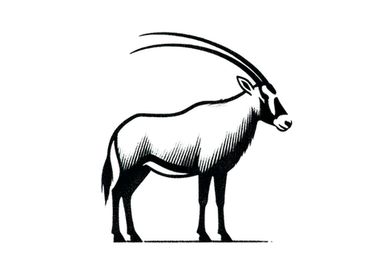
Dry-Country Antelopes
Oryx
The oryx is one of the species that makes Tarangire particularly interesting. It is elegant, graphic
and perfectly suited to the park's drier habitats.
Probability: > 30%
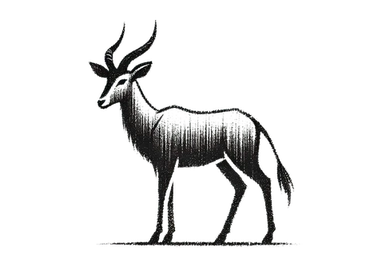
Antelopes
Antelopes
Several antelope species may be observed in Tarangire. They are valuable for habitat compositions,
behavioural scenes and more descriptive wildlife photography.
Probability: variable
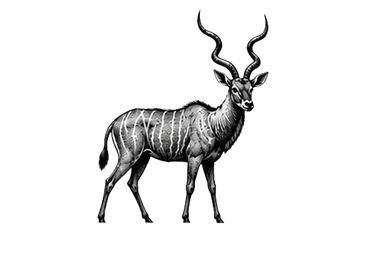
Antelopes
Greater Kudu
The greater kudu is an elegant and discreet subject. It is particularly interesting when emerging from vegetation
or pausing among trees, shade and more complex backgrounds.
Probability: variable
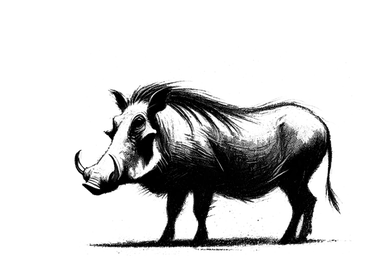
Herbivores
Warthogs
Warthogs are expressive subjects with strong storytelling potential. They offer dynamic images, family scenes
and lighter moments during the safari.
Probability: variable
Wildlife Associated with the Tarangire River and Water Sources
The Tarangire River is one of the park's defining features, particularly during the dry season, when it attracts wildlife
from surrounding areas. Although Tarangire is not a river-dominated park like Nyerere, water strongly influences
animal movement, concentrations and photographic opportunities.
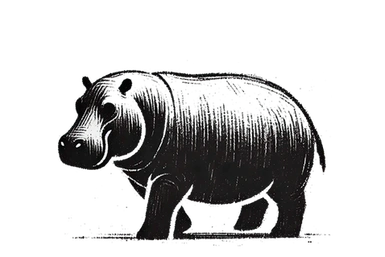
Aquatic Wildlife
Hippos
Hippos are not Tarangire's signature subject, but they may be present in areas with water.
They help complete the photographic story of the park's wetter habitats.
Probability: variable
Reptiles and Waterways
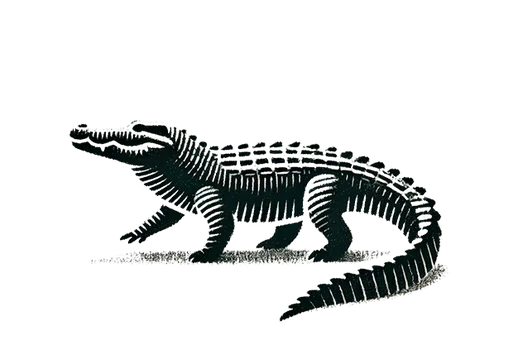
Nile Crocodiles
Crocodiles are associated with aquatic habitats and can add tension and variety to the photographic story,
especially near waterways and wetland areas.
Probability: variable
Water-Associated Birds
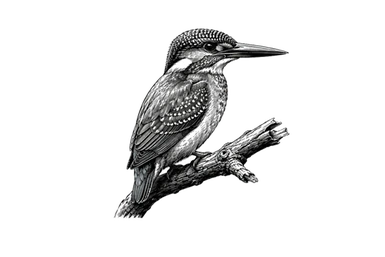
Kingfishers
Kingfishers are small, highly photogenic subjects, ideal for photographs of perching, detail,
colour and behaviour in areas near water.
Probability: variable
Primates and Smaller Characters of Tarangire
Less iconic animals also have considerable photographic value. Primates, jackals, warthogs and other
more common subjects help document behaviour, movement, social interactions and spontaneous moments during the safari.
Primates
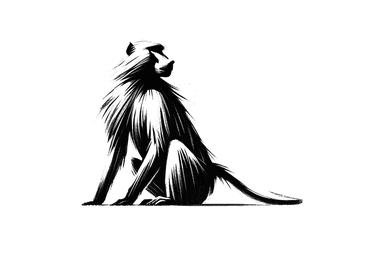
Baboons
Baboons are expressive subjects with excellent storytelling potential. They can offer family scenes, social interactions,
movement and photographs rich in behavioural detail.
Probability: variable
Primates
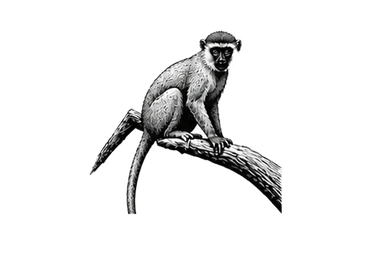
Vervet Monkeys
Vervet monkeys are lively and expressive small primates. They are rewarding subjects for photographs of behaviour,
gestures, social interactions and more intimate scenes.
Probability: variable
Birds, Raptors and Birdlife in Tarangire National Park
Tarangire is also highly rewarding for bird photography. Its acacia woodland, baobabs, savannah,
seasonal waterways and wetland areas attract raptors, colourful birds, dry-savannah species and birds associated
with water. This aspect deserves particular attention because it makes the page far more than a simple list of mammals.
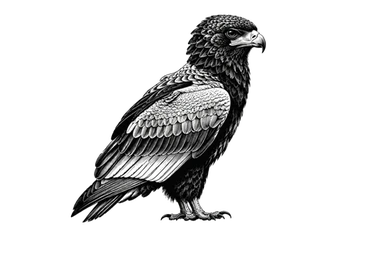
Raptors
Bateleur
The bateleur is one of the African savannah's most elegant raptors. It is rewarding in flight, on exposed perches
or while soaring over open areas in search of food.
Probability: variable
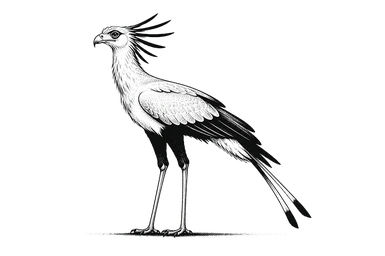
Savannah Birds
Secretary Bird
The secretary bird is an iconic savannah species. Its posture, long legs
and terrestrial behaviour make it instantly recognisable.
Probability: variable
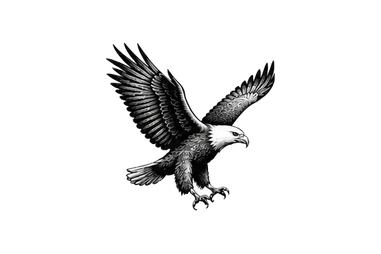
Raptors and Water
African Fish Eagles
African fish eagles may be associated with areas of water. They are powerful subjects for photographs
of perched birds, flight, silhouettes and landscapes.
Probability: variable
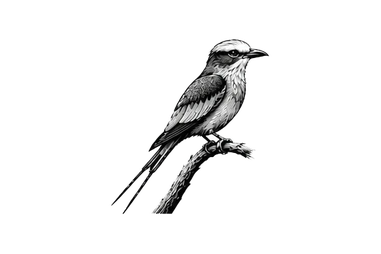
Colourful Birds
Lilac-Breasted Roller
The lilac-breasted roller is one of the savannah's most photogenic birds. Its exposed perches
and short flights make it an excellent subject for composition, backgrounds and colour.
Probability: variable
To make this section even stronger and more specific to Tarangire, dedicated images of ostriches, hornbills,
yellow-collared lovebirds, red-and-yellow barbets, bee-eaters, kori bustards and dwarf mongooses could be added in the future.
Distinctive Species to Add in the Future
Several species would make the Tarangire page even more precise and distinctive. To make it as complete as possible,
consider creating and uploading these additional icons in the future.
Ostrich
Well suited to open savannah and environmental photographs.
Hornbill
A characteristic subject of acacia trees, woodland and savannah habitats.
Yellow-Collared Lovebird
A particularly interesting species for bird photography and the page's search visibility.
Red-and-Yellow Barbet
An iconic bird of East Africa's dry habitats.
Bee-Eater
A colourful subject, ideal for perched and flight photography.
Gerenuk
A dry-country species that could further strengthen the page's specific focus on Tarangire.
Sighting Probabilities During a Safari in Tarangire
The probabilities below are indicative and are intended to communicate realistically which subjects are
generally more reliable and which require greater patience. Elephants are Tarangire's most characteristic
subject, while predators and several more elusive species depend more heavily on the season and luck.
Elephants> 95%
Giraffes> 85%
Buffaloes> 75%
Lions> 70%
Zebras> 70%
Wildebeest> 60%
Impalas> 60%
Hyenas> 50%
Gazelles> 50%
Leopards> 40%
Waterbuck> 40%
Oryx> 30%
Cheetahs> 10%
Black Rhinos0%
African Wild DogsVariable
JackalsVariable
Greater KuduVariable
AntelopesVariable
WarthogsVariable
HipposVariable
Nile CrocodilesVariable
BaboonsVariable
Vervet MonkeysVariable
BateleurVariable
Secretary BirdsVariable
African Fish EaglesVariable
Lilac-Breasted RollersVariable
KingfishersVariable
Tarangire from a Photographer's Perspective
Photographing in Tarangire means working with animals and landscapes together. Elephants are often the principal
subject, but the strength of the image comes from the environment: baobabs, warm light, dust, dry grass, isolated trees,
tracks, family groups and vast spaces.
For this reason, a photographic safari in Tarangire calls for a balance of long telephoto lenses,
wider compositions and close attention to the background. An elephant beneath a baobab, a giraffe among acacia trees,
a lion in the shade or a raptor on a branch can become very different images when photographed at the right moment
and with the right relationship between subject and landscape.
Photographic Safaris Connected to Tarangire National Park
Scheduled Safari
Great Migration and Tarangire Photographic Safari
A Northern Tanzania itinerary combining Tarangire, Ngorongoro, Ndutu and Central Serengeti in January.
Map and Itinerary
Great Migration Safari Itinerary 2027
View the route from Kilimanjaro Airport to Tarangire, Ngorongoro, Ndutu, Central Serengeti and Seronera.
Lodge
Baobab Tented Camp
The camp used to explore Tarangire during the January photographic safari.
Photographic Guide
Great Migration and Calving Season Wildlife
A wildlife guide to the safari's destinations: Tarangire, Ngorongoro, Ndutu and Central Serengeti.
Ndutu Wildlife
The Great Migration and Calving Season in Ndutu
Explore Ndutu's wildlife in January, including herds, young animals, predators and green plains.
Serengeti Wildlife
Animals and Photography in Central Serengeti
Explore Central Serengeti wildlife and compare the contrasting environments of Northern Tanzania.
Would You Like to Photograph Elephants and Baobabs in Tarangire?
Tarangire is an ideal destination for photographers seeking powerful environmental images: elephants, baobabs, savannah,
birds, predators, African light and landscapes that add depth to the photographic story.