
Wildlife Guide for a Calving Season Photographic Safari
Wildlife Guide · Calving Season · Northern Tanzania
This guide helps photographers understand which animals are most likely to be seen during a calving season photographic safari in Tanzania, including Tarangire, Ngorongoro Crater, Ndutu and Central Serengeti. The estimates are intended as practical planning guidance for wildlife photographers preparing for a January–February safari, when the Great Migration calving season creates some of the strongest wildlife photography opportunities in Northern Tanzania.
| Species | Tarangire | Ngorongoro Crater | Ndutu Calving Season | Central Serengeti |
|---|---|---|---|---|
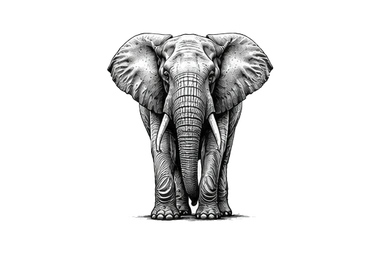 Elephant Elephant | 95% | 75% | 70% | 60% |
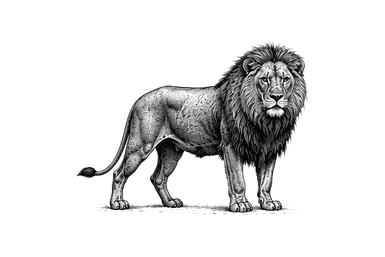 Lion Lion | 75% | 95% | 95% | 90% |
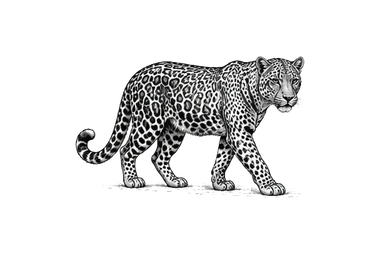 Leopard Leopard | 25% | 10% | 20% | 45% |
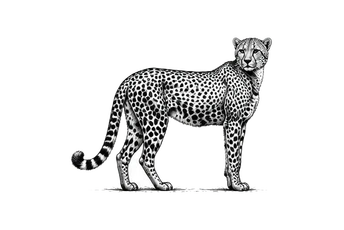 Cheetah Cheetah | 20% | 5% | 85% | 60% |
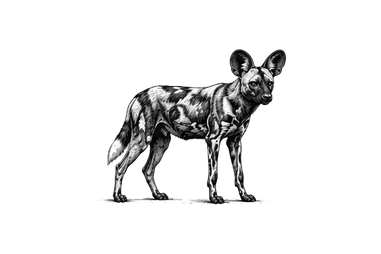 African Wild Dog African Wild Dog | <1% | 0% | <1% | <1% |
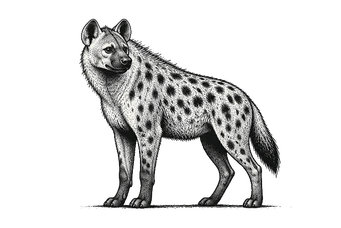 Spotted Hyena Spotted Hyena | 70% | 95% | 95% | 90% |
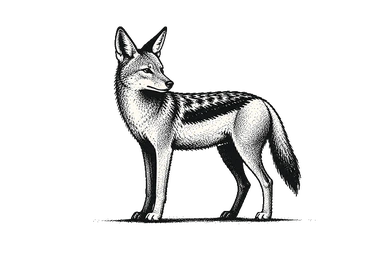 Black-backed Jackal Black-backed Jackal | 40% | 60% | 90% | 70% |
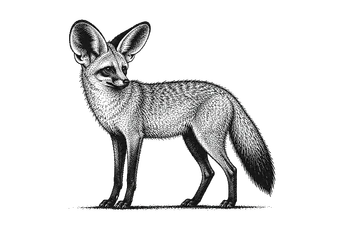 Bat-eared Fox Bat-eared Fox | 5% | 5% | 50% | 20% |
 Buffalo Buffalo | 90% | 95% | 75% | 70% |
 Zebra Zebra | 95% | 90% | 100% | 95% |
 Wildebeest Wildebeest | 70% | 30% | 100% | 75% |
 Giraffe Giraffe | 95% | 0% | 70% | 85% |
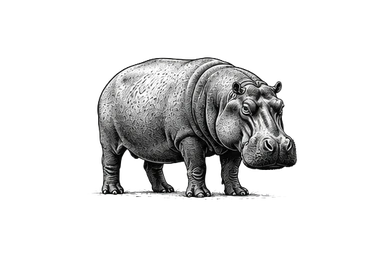 Hippo Hippo | 50% | 95% | 30% | 70% |
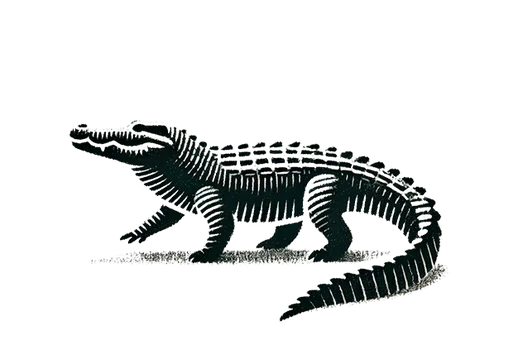 Crocodile Crocodile | 20% | 0% | 5% | 30% |
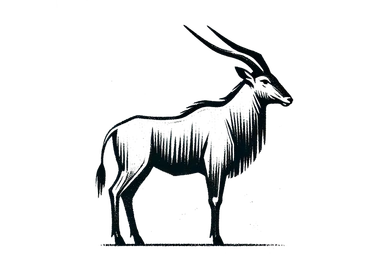 Eland Eland | 30% | 20% | 60% | 50% |
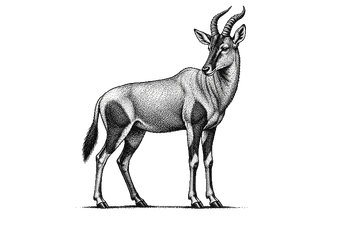 Topi Topi | 5% | 5% | 85% | 60% |
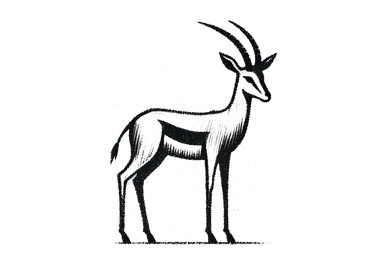 Grant's Gazelle Grant's Gazelle | 50% | 50% | 95% | 80% |
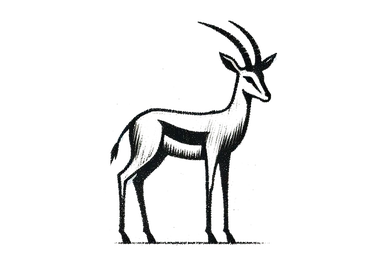 Thomson's Gazelle Thomson's Gazelle | 60% | 70% | 100% | 95% |
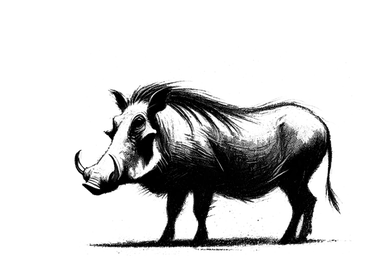 Warthog Warthog | 80% | 80% | 90% | 85% |
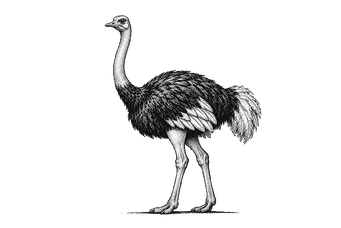 Ostrich Ostrich | 60% | 50% | 90% | 80% |
Photographer's Interpretation
Ndutu during the calving season offers the strongest combination of migration herds, cheetah activity, lion encounters, hyenas, jackals and open-plains photography. Ngorongoro Crater is highly reliable for dense wildlife and predators, while Tarangire is outstanding for elephants, baobab landscapes and bird photography. Central Serengeti adds excellent year-round predator potential, especially for lions and leopards.
Wildlife Sighting Probabilities During the Calving Season
The probability table above gives realistic field estimates for a photographic safari in Tanzania during the Great Migration calving season. The figures are not guarantees, but they help photographers understand which species are most likely to be encountered in each area and how to plan their photographic expectations.
Big Cats of Ndutu and the Serengeti
Ndutu and Central Serengeti are among the strongest areas for lions, cheetahs and, with patience, leopards during the calving season. The open plains around Ndutu are particularly rewarding for cheetah photography, while Central Serengeti offers excellent year-round predator potential and stronger leopard possibilities.
Elephants and Baobabs of Tarangire
Tarangire adds a very different photographic dimension to the safari. It is one of the best places in Northern Tanzania for elephant photography, baobab landscapes, birdlife and warm African light. For photographers, Tarangire is especially valuable because it offers compositions that are visually different from the open plains of Ndutu and Serengeti.
Wildlife of Ngorongoro Crater
Ngorongoro Crater offers high-density wildlife viewing in a compact and dramatic landscape. It is highly reliable for lions, hyenas, buffalo, hippos, zebras, gazelles and many plains species. The crater is also one of the most predictable places for wildlife encounters, although vehicle density can be higher than in more remote safari areas.
The Great Migration During the Calving Season
The calving season is one of the most dramatic periods of the Great Migration. Vast herds of wildebeest and zebras gather in the southern Serengeti and Ndutu region, newborn calves appear on the plains, and predators become highly active. For a photographic safari in Tanzania, this period offers exceptional opportunities for behaviour, action and storytelling.
Bird Photography Opportunities in Northern Tanzania
Tarangire, Ndutu and Serengeti also offer excellent bird photography opportunities. Raptors, ostriches, storks, rollers, bee-eaters and many smaller species can add strong variety to the safari portfolio. Bird photography is especially useful during quieter wildlife moments and helps photographers practise light, background and composition.
Which Animals Are Most Likely to Be Seen?
Across the complete itinerary, the strongest probabilities are generally for wildebeest, zebra, gazelles, lions, hyenas, elephants, buffalo, giraffes, warthogs and many plains species. Cheetahs are especially associated with Ndutu during the calving season, while leopards are more likely in Central Serengeti than in the open plains.
Great Migration · January 2027
Photograph the Great Migration calving season
Join a small-group photographic safari through Tarangire, Ngorongoro Crater, Ndutu and Central Serengeti during one of Northern Tanzania's most dramatic wildlife seasons.
View the January 2027 photographic safari