Mawé Tented Camp
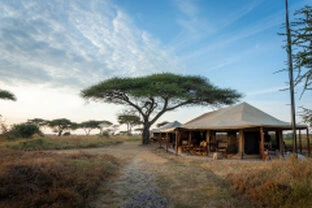
Mawé Tented Camp · Central Serengeti · Northern Tanzania
Mawé Tented Camp
The final Central Serengeti stage of the January 2027 Great Migration Calving Season photographic safari.
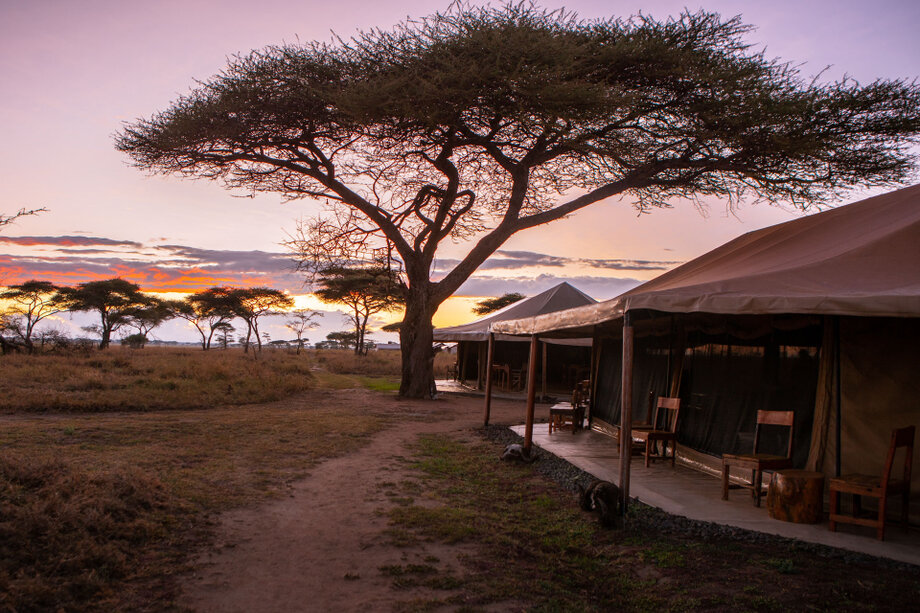
Mawé Tented Camp is the Central Serengeti base of the January 2027 Great Migration Calving Season photographic safari in Tanzania. After Tarangire, Karatu, Ngorongoro and the Ndutu calving plains, this stage adds the classic Serengeti chapter: big cats, acacia-dotted landscapes, kopjes, open horizons and the timeless feeling of one of Africa’s most iconic wildlife regions.
This is where the safari rhythm changes again. Ndutu is intense, emotional and strongly connected to the calving season. Central Serengeti brings a wider visual language: lions in the grass, possible leopards in trees, hyenas on the move, giraffes and elephants in open landscapes, and the soft light of the final game drives.
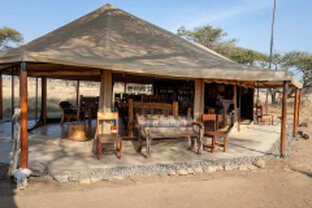
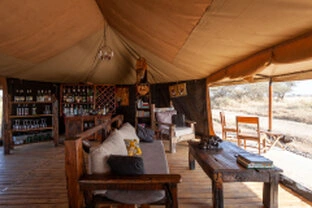
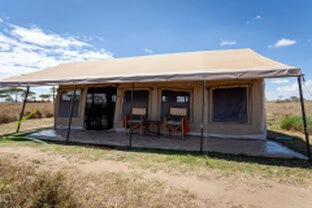
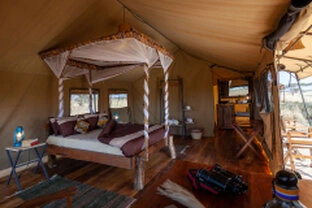
An intimate tented camp with only ten luxury tented rooms, including family rooms.
A semi-permanent camp positioned for strong Serengeti game viewing throughout the year.
Central-Eastern Serengeti is known for lions, leopards and cheetahs.
The final wildlife base after Tarangire, Ngorongoro and Ndutu.
Camp information at a glance
| Location | Central-Eastern Serengeti, in the Ngarenanyuki River area, facing the savannah and plains of the Serengeti. |
|---|---|
| Camp type | Semi-permanent tented camp in the heart of the Serengeti. |
| Opening period | Designed for game viewing throughout the year. Availability should always be confirmed at the time of booking. |
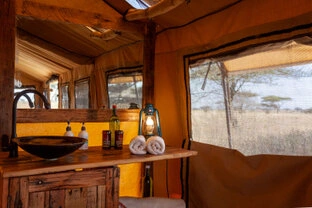
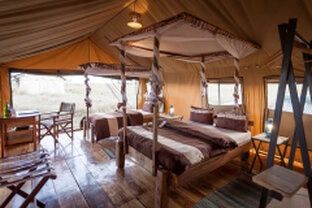
| Accommodation | Ten luxury tented rooms, including family rooms. Rooms can be arranged as triple, double or twin configurations. |
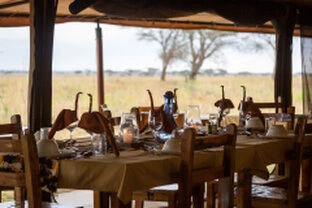
| Room features | En-suite rooms facing the savannah, plains and river area of the Central-Eastern Serengeti. |
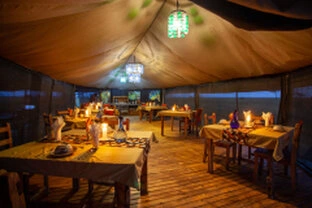
| Facilities | Wi-Fi in the main area, in-house bar and restaurant. The restaurant can cater for dietary requirements such as gluten-free, vegan and vegetarian meals. |
| Main activities | Game drives in the Central Serengeti big-cat area, balloon flights and future walking safari possibilities depending on camp operations and booking conditions. |
| Wildlife character | Lions, leopards, cheetahs, hyenas, elephants, giraffes, zebras, antelopes, open plains, acacia trees, kopjes and classic Serengeti landscapes. |
| Photographic value | Classic Serengeti predator photography, environmental wildlife images, golden light, wider landscape compositions and the final visual chapter of the safari. |
| Role in the safari | The Central Serengeti base of the January 2027 Great Migration Calving Season photographic safari. |
Why this camp works for photographers
Mawé Tented Camp works well as the final field base of the safari because Central Serengeti adds a different visual rhythm from Ndutu. The calving plains are often about herds, newborn animals, cheetahs and predator-prey tension. Central Serengeti is more about classic big-cat photography, broader landscapes and the timeless atmosphere of the Serengeti.
By this point in the journey, photographers have already worked through several environments: elephants and baobabs in Tarangire, the enclosed world of Ngorongoro Crater and the emotional intensity of Ndutu. Mawé Tented Camp gives the group a base from which to complete the story with lions, possible leopards, hyenas, open plains, acacia trees and warm Serengeti light.
Practical photographic value
- Strong final base for Central Serengeti predator photography
- Good opportunities for lions, hyenas and possible leopard sightings
- Open plains, kopjes and acacia landscapes for environmental images
- Useful contrast after the more concentrated Ndutu calving stage
- Time to refine field technique after several previous safari days
- Final image reviews and portfolio thinking before the journey ends
The classic Serengeti ending to the calving season route
The January 2027 safari is built as a photographic progression. Tarangire introduces elephants, baobabs, birds and warm landscapes. Ngorongoro adds wildlife density, mist, volcanic scenery and crater atmosphere. Ndutu brings the emotional centre of the Great Migration calving season. Central Serengeti then completes the journey with big cats, kopjes, acacias, wide horizons and one of Africa’s most recognizable wildlife settings.
Mawé Tented Camp supports this final chapter. It allows photographers to move from the intensity of Ndutu into a broader Serengeti rhythm: watching, waiting, reading the landscape and giving each scene enough time to become a stronger photograph.
Elephants, baobabs, birds, warm light and the first photographic rhythm of the safari.
Crater wildlife, calving season, newborn wildebeest, predators, plains and emotional wildlife encounters.
Big cats, kopjes, acacias, wide horizons and classic Serengeti wildlife photography.
A complete visual story from elephants and baobabs to calving plains and Serengeti predators.
More than a Central Serengeti camp
Mawé Tented Camp is more than accommodation at the end of the safari. It is the base for the final photographic chapter: the place where the group can apply everything learned during the previous days to some of Tanzania’s most iconic wildlife situations.
After several days in the field, camera handling becomes more natural, exposure decisions become faster and image review discussions begin to influence how participants work in real time. This makes the Central Serengeti stage especially valuable.
Photographic highlights around Central Serengeti
- Lions in grassland, near kopjes or in open Serengeti landscapes
- Possible leopard encounters in trees or riverine habitats
- Hyenas, jackals and other predators on the move
- Elephants, giraffes, zebras, buffaloes and antelopes
- Acacia trees, kopjes, golden light and long horizons
- Environmental wildlife compositions with space and atmosphere
- Final portfolio images that complete the safari story
Why Central Serengeti matters after Ndutu
Ndutu is often the emotional core of the calving season safari, with herds, newborn wildebeest, predators and intense behaviour. Central Serengeti offers a different kind of strength. It gives the journey space again.
The landscape opens, the compositions become broader and the photographic work often becomes more patient. Instead of focusing only on action, photographers can work with classic Serengeti light, animal placement, trees, kopjes and the scale of the plains.
How I use this stage photographically
- Look for animals within the landscape, not isolated from it
- Use kopjes, acacias and horizons as compositional anchors
- Stay longer with promising big-cat sightings
- Work carefully with early and late light
- Balance portraits with wider environmental images
- Use the final days to complete the visual story of the safari
- Review images with a stronger portfolio mindset
Complete the photographic safari in Central Serengeti
Mawé Tented Camp is included in the January 2027 Great Migration Calving Season Photographic Safari in Tanzania. The journey is designed for a small group, generous time in the field and a photographic rhythm focused on light, behaviour, composition and authentic wildlife encounters.
After Tarangire, Ngorongoro and Ndutu, the Central Serengeti stage helps complete the safari with big cats, open landscapes, classic Serengeti atmosphere and the final images of the journey.
Camp details, room configuration, facilities, activities, opening periods and availability should always be confirmed at the time of booking, as lodge operations and safari conditions may change.