Central Serengeti · Seronera · Northern Tanzania
Predators, Large Herbivores and Photography in the Serengeti's Classic Savannah
The Central Serengeti, particularly the Seronera area, is one of Tanzania's most important regions
for wildlife photography. Open savannah, seasonal waterways, wooded areas,
rocky kopjes and immense distances create an ideal environment for photographing predators, herbivores,
birds and animal behaviour.
This page introduces some of the most representative animals that may be observed during a safari in the Central Serengeti,
together with an indicative estimate of the sighting probability for the main species. These percentages are not guarantees:
wildlife remains wild, and every game drive depends on the season, light, the location of the animals, time spent in the field,
local conditions and luck.
From a photographic perspective, the Central Serengeti is particularly strong for predators: lions, leopards,
cheetahs, hyenas and jackals can provide a wide range of scenes. At the same time, wildebeest, zebras, giraffes,
gazelles, impalas, buffaloes and elephants offer opportunities for environmental images within East Africa's most iconic savannah.
Why the Central Serengeti Is Special for African Wildlife
The Central Serengeti is often considered the photographic heart of the park because it provides consistently rewarding
wildlife viewing throughout the year. It is not simply an area associated with the Great Migration's seasonal movements:
it is also home to resident wildlife, predators, waterways, kopjes and open landscapes that make it possible
to build a remarkably complete photographic story.
Predators throughout the year
Lions, leopards, cheetahs, hyenas and jackals make Seronera one of the most rewarding areas for behavioural photography.
Savannah, kopjes and immense spaces
The Central Serengeti landscape provides opportunities for expansive, uncluttered images that are highly representative of East Africa.
Migration and resident wildlife
Wildebeest, zebras, gazelles and other herbivores can create dynamic scenes even when the main migration is elsewhere.
The Big Five in the Central Serengeti
For clarity, this section presents the Big Five separately: lions, elephants, buffaloes, leopards and black rhinos.
In the Central Serengeti, the most important subjects are lions, leopards, buffaloes and elephants. Black rhinos
are present within the wider Serengeti ecosystem but should not be considered a realistic or predictable subject
during a typical photographic safari in the central Seronera area.
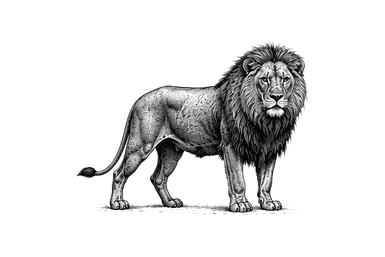
Big Five · Predators
Lions
Lions are among the Central Serengeti's leading wildlife attractions. They may be photographed on the savannah,
near kopjes, beneath the shade of trees or interacting with other predators and prey.
Probability: > 90%
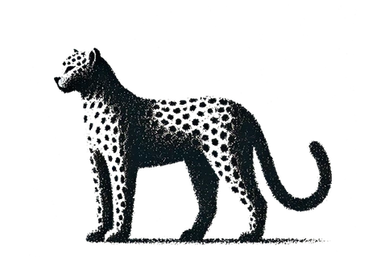
Big Five · Elusive Predators
Leopards
Leopards are among Seronera's most sought-after subjects. Wooded areas and seasonal waterways
provide promising opportunities, although leopards remain elusive and are never guaranteed.
Probability: > 60%
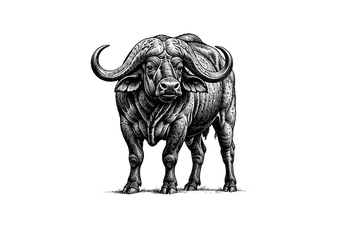
Big Five · Large Herbivores
Buffaloes
Buffaloes are powerful, photogenic subjects, particularly when moving in groups or pausing in open areas.
They provide opportunities for intense portraits and environmental images.
Probability: > 70%
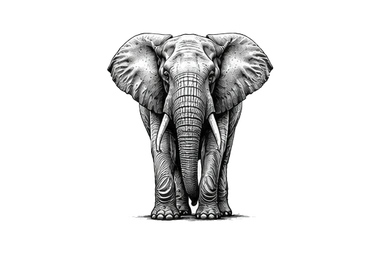
Big Five · Large Mammals
Elephants
Elephants may be observed in the Central Serengeti, often as part of broader environmental scenes.
They are not the area's signature subject as they are in Tarangire, but they add power and scale to the landscape.
Probability: > 50%
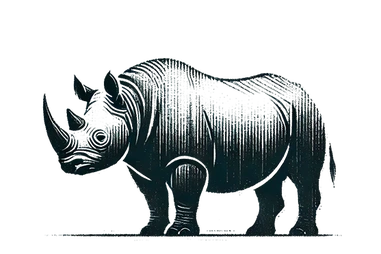
Big Five · Not Realistic in Seronera
Black Rhinos
The black rhino is included to complete the Big Five section, but it should not be considered
a realistic subject during a photographic safari in the Central Serengeti.
Probability: 0%
Predators and Carnivores of the Central Serengeti
The Central Serengeti is one of Tanzania's strongest areas for predators and carnivores. The combination
of open savannah, resident prey, waterways and kopjes creates rewarding opportunities to observe hunting,
resting, social interactions and natural behaviour.
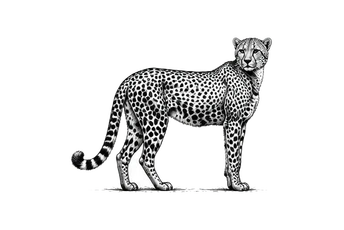
Predators
Cheetahs
Cheetahs are among the Central Serengeti's most interesting subjects, particularly in open areas.
They are ideal for images of posture, movement, hunting and the relationship between predator and space.
Probability: > 60%
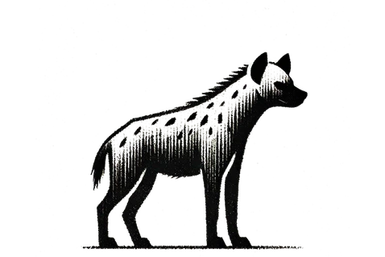
Predators and Scavengers
Hyenas
Hyenas are essential to documenting the reality of life on the savannah: competition, movement, carcasses,
interactions with lions and social behaviour.
Probability: > 70%
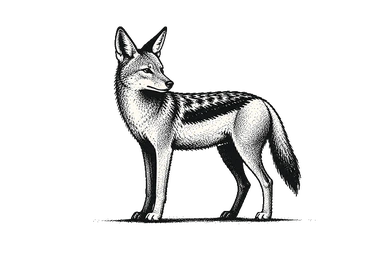
Smaller Carnivores
Jackals
Jackals are small but interesting subjects for scenes of movement, alertness and behaviour.
They help complete the photographic story of the Serengeti food chain.
Probability: variable
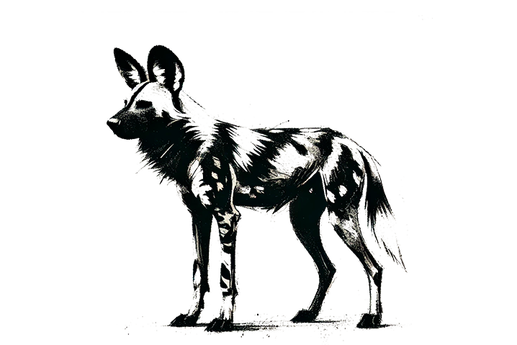
Rare Predators
African Wild Dogs
African wild dogs should not be considered a predictable subject in the Central Serengeti.
When encounters do occur, however, they are dynamic and photographically exceptional.
Probability: variable
Herbivores, Migration and Savannah in the Central Serengeti
Herbivores are fundamental to the Serengeti landscape. Wildebeest, zebras, gazelles, giraffes, impalas,
buffaloes, elephants and antelopes create scenes of movement, grazing, alertness and interaction with predators.
Even when the Great Migration is not concentrated around Seronera, resident wildlife still provides
an exceptionally rich photographic story.
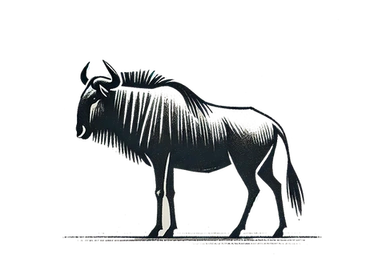
Migration and Large Herbivores
Wildebeest
Wildebeest are one of the Serengeti's defining symbols. They may be present in varying numbers in the Central Serengeti
depending on the season, offering scenes of movement, groups and landscape.
Probability: > 70%
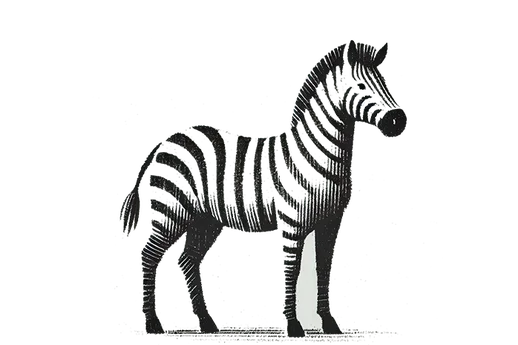
Migration and Large Herbivores
Zebras
Zebras offer strong graphic opportunities through their stripes, groups, movement and repetition.
They are ideal for clean images and environmental compositions on the savannah.
Probability: > 75%
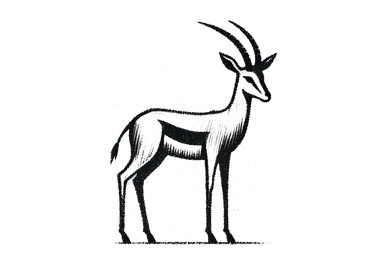
Antelopes and Prey
Gazelles
Gazelles are fundamental subjects for documenting the savannah and its relationship with predators.
They are elegant, graceful and ideal for images of alertness, running and low-angle light.
Probability: > 70%
Large Herbivores
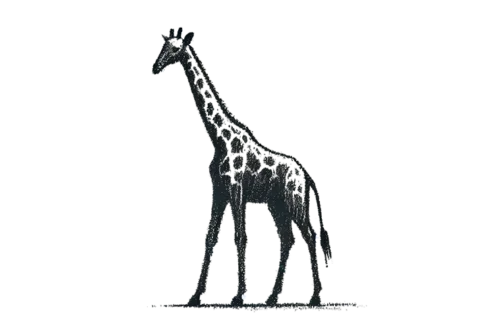
Giraffes
Giraffes are elegant subjects perfectly suited to environmental compositions. Their vertical lines
work beautifully with isolated trees, open horizons and warm light.
Probability: > 70%
Antelopes
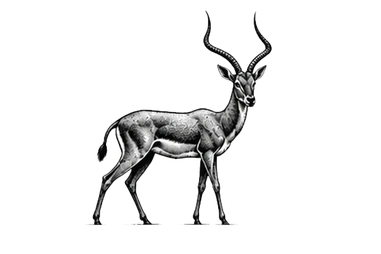
Impalas
Impalas are elegant and dynamic subjects, suited to scenes of behaviour, alertness,
groups and predator-prey relationships.
Probability: > 50%
Antelopes
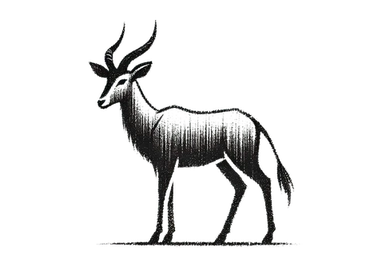
Antelopes
Several antelope species may be observed in the Central Serengeti. They are valuable for environmental photographs,
behavioural scenes and landscape compositions.
Probability: variable
Antelopes
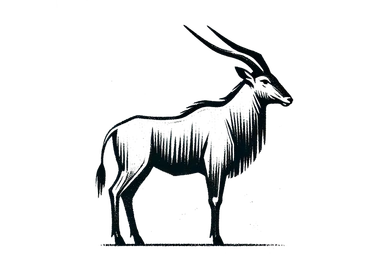
Eland
The eland is a large, elegant and imposing antelope. When observed, it provides opportunities for environmental images
with a powerful sense of scale and space.
Probability: variable
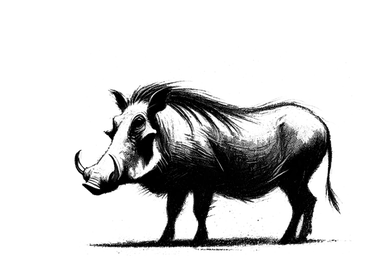
Herbivores
Warthogs
Warthogs are expressive and often underestimated subjects. They can provide dynamic images,
family scenes and spontaneous moments during the safari.
Probability: variable
Wildlife Associated with Water, Seasonal Rivers and Pools
The Central Serengeti is not a river-dominated park like Nyerere, but water remains fundamental. Seasonal waterways,
pools and greener areas influence the distribution of animals, predators and birds and shape photographic opportunities.
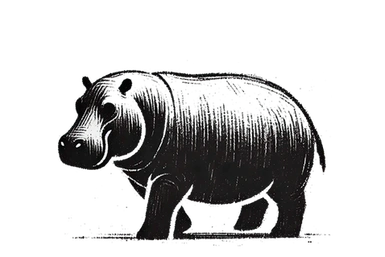
Aquatic Wildlife
Hippos
Hippos may be observed in water sources and permanent or semi-permanent pools.
They add variety to the Central Serengeti's photographic story.
Probability: variable
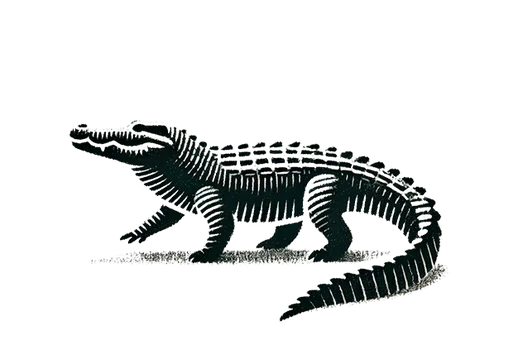
Reptiles and Waterways
Nile Crocodiles
Crocodiles are associated with water sources and rivers. They are not a principal subject in the Central Serengeti,
but they can complete the story of its wetland habitats.
Probability: variable
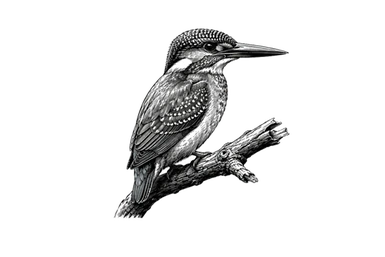
Water-Associated Birds
Kingfishers
Kingfishers are small but highly photogenic subjects. They are rewarding for images of perching,
detail, colour and behaviour near water.
Probability: variable
Primates and Smaller Characters of the Central Serengeti
Less iconic animals also have considerable photographic value. Primates, jackals, warthogs and other
more common subjects help document behaviour, movement, social relationships and spontaneous moments during the safari.
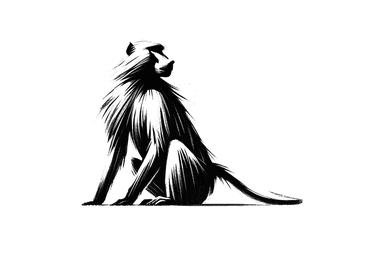
Primates
Baboons
Baboons are expressive subjects with excellent storytelling potential. They can offer family scenes, social interactions,
movement and photographs rich in behavioural detail.
Probability: variable
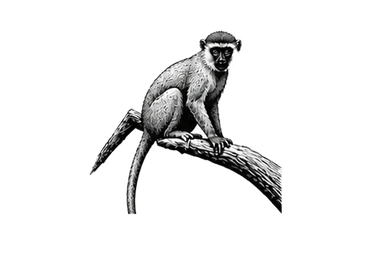
Primates
Vervet Monkeys
Vervet monkeys are lively and expressive small primates. They are rewarding subjects for photographs of behaviour,
gestures, social interactions and more intimate scenes.
Probability: variable
Birds, Raptors and Birdlife in the Central Serengeti
The Central Serengeti is also rewarding for bird photography. Raptors, savannah birds, colourful species,
birds associated with isolated trees and subjects observed near water add variety, rhythm and visual pauses
during the safari.
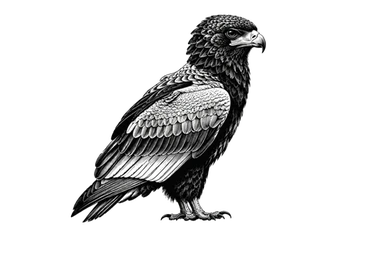
Raptors
Bateleur
The bateleur is one of the African savannah's most elegant raptors. It is rewarding in flight, on exposed perches
or while soaring over open areas.
Probability: variable
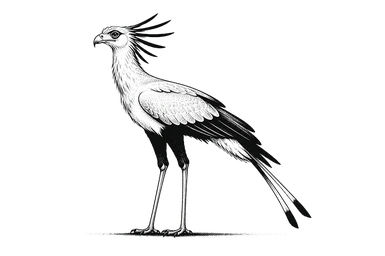
Savannah Birds
Secretary Bird
The secretary bird is an iconic savannah species. Its posture,
long legs and terrestrial behaviour make it instantly recognisable.
Probability: variable
Raptors and Water
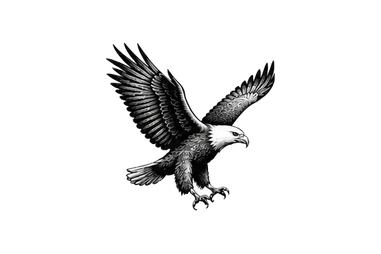
African Fish Eagles
African fish eagles may be observed in habitats associated with water. They are rewarding subjects for photographs
of perched birds, flight, silhouettes and landscapes.
Probability: variable
Colourful Birds
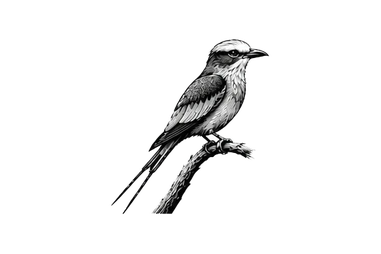
Lilac-Breasted Roller
The lilac-breasted roller is one of the savannah's most photogenic birds. Its exposed perches
and short flights make it an excellent subject for composition, backgrounds and colour.
Probability: variable
To make this section even more specific to the Central Serengeti, dedicated images of ostriches, kori bustards,
crowned cranes, vultures, tawny eagles, martial eagles, agama lizards, rock hyraxes and mongooses could be added in the future.
Distinctive Species to Add in the Future
Several species would make the Central Serengeti page even more precise and distinctive. To make it as complete
as possible, consider creating and uploading these additional icons in the future.
Topi
A characteristic antelope of open savannah and grassland habitats.
Ostrich
A classic open-savannah subject that is ideal for environmental images.
Kori Bustard
An iconic species of East Africa's open habitats.
Serval
An elegant small predator that is possible but highly elusive and photographically rewarding.
Agama Lizard
Ideally associated with kopjes, rocks and detailed nature photography.
Rock Hyrax
An interesting species connecting the Serengeti's wildlife with its rocky kopjes.
Sighting Probabilities During a Safari in the Central Serengeti
The probabilities below are indicative and are intended to communicate realistically which subjects are
generally more reliable and which require greater patience. Predators are one of the Central Serengeti's
greatest strengths, but every sighting depends on the season, location and conditions in the field.
Lions> 90%
Zebras> 75%
Wildebeest> 70%
Gazelles> 70%
Giraffes> 70%
Hyenas> 70%
Buffaloes> 70%
Leopards> 60%
Cheetahs> 60%
Elephants> 50%
Impalas> 50%
Black Rhinos0%
JackalsVariable
African Wild DogsVariable
AntelopesVariable
ElandVariable
WarthogsVariable
HipposVariable
Nile CrocodilesVariable
BaboonsVariable
Vervet MonkeysVariable
BateleurVariable
Secretary BirdsVariable
African Fish EaglesVariable
Lilac-Breasted RollersVariable
KingfishersVariable
The Central Serengeti from a Photographer's Perspective
Photographing in the Central Serengeti means working within one of the world's most iconic savannahs. The strength
of an image often comes from balancing subject and space: a lion on a kopje, a leopard in a tree,
a cheetah on the plain, a hyena on the move or a line of wildebeest and zebras on the horizon.
For this reason, a photographic safari in the Central Serengeti calls for a balance of long telephoto lenses,
environmental compositions and close attention to behaviour. It is worth looking beyond tight portraits:
the strongest image often comes from placing an animal within the landscape, light and vastness of the savannah.
Photographic Safaris Connected to the Central Serengeti
Scheduled Safari
Great Migration and Central Serengeti Photographic Safari
A Northern Tanzania itinerary combining Tarangire, Ngorongoro, Ndutu and Central Serengeti in January.
Map and Itinerary
Great Migration Safari Itinerary 2027
View the route from Kilimanjaro Airport to Tarangire, Ngorongoro, Ndutu, Central Serengeti and Seronera.
Lodge
Mawe Tented Camp
The camp used in the Central Serengeti during the January photographic safari.
Photographic Guide
Great Migration and Calving Season Wildlife
A wildlife guide to the safari's destinations: Tarangire, Ngorongoro, Ndutu and Central Serengeti.
Ndutu Wildlife
The Great Migration and Calving Season in Ndutu
Explore Ndutu's wildlife in January, including herds, newborn animals, predators and green plains.
Tarangire Wildlife
Elephants, Baobabs and Wildlife of Tarangire
Explore Tarangire's wildlife and compare two very different Northern Tanzania environments.
Would You Like to Photograph the Predators of the Central Serengeti?
The Central Serengeti is an ideal destination for photographers seeking classic, powerful wildlife images:
lions, leopards, cheetahs, hyenas, large herbivores, open savannah, kopjes, African light and animal behaviour.