Ngorongoro Crater · Northern Tanzania
The Big Five, Black Rhinos, Lake Magadi and Photography in the Crater
Ngorongoro Crater is one of Tanzania's most spectacular settings for wildlife photography.
The crater floor concentrates savannah, marshes, water sources, forest, open grassland and Lake Magadi within a
relatively compact area, creating a unique environment in which to observe and photograph African wildlife.
This page introduces some of the most representative animals that may be observed during a photographic safari
in Ngorongoro Crater, together with an indicative estimate of the sighting probability for the main species.
These percentages are not guarantees: wildlife remains wild, and every game drive depends on the light, season, location
of the animals, time spent in the field, traffic within the crater, local conditions and luck.
From a photographic perspective, Ngorongoro is different from Ndutu, the Serengeti and Tarangire. Its power comes from the enclosed
caldera landscape, the concentration of animals, the realistic possibility of seeing black rhinos,
lions on the crater floor, hyenas, hippos, flamingos on Lake Magadi and environmental scenes
with the crater walls in the background.
Why Ngorongoro Is Special for African Wildlife
Ngorongoro is a highly distinctive ecosystem: it is not an endless plain like the Serengeti, a baobab landscape
like Tarangire or a river environment like Nyerere. Its photographic value comes from concentration:
abundant wildlife within a defined space, rapidly changing light, the crater walls, water sources, open grassland,
forest and a powerful sense of natural theatre.
The Big Five and black rhinos
Ngorongoro is one of Tanzania's most rewarding areas in which to try to photograph black rhinos.
Lions, hyenas and behaviour
The density of predators provides rewarding opportunities for scenes of movement, resting, hunting and interaction.
Lake Magadi and birds
Flamingos, waterbirds, raptors and savannah species complete the crater's photographic story.
Wildlife That Can Be Observed in Ngorongoro Crater
Ngorongoro Crater offers opportunities to observe a very high concentration of wildlife within a relatively
compact landscape. A photographic safari may include large predators, herbivores, water-associated species,
birds and, with a good chance but never a guarantee, black rhinos.
Realistic Big Five
Lions, black rhinos, buffaloes, elephants and leopards
Ngorongoro Crater is one of Northern Tanzania's most interesting areas for seeking the Big Five.
Lions and buffaloes are highly reliable; black rhinos are realistic but not guaranteed; elephants and leopards
require more luck and favourable conditions.
Predators and Carnivores
Hyenas, cheetahs, jackals, lions and leopards
The crater's grasslands and abundant herbivores provide rewarding opportunities to observe carnivores
moving, resting, interacting or displaying natural behaviour.
Herbivores and Grasslands
Zebras, wildebeest, gazelles, buffaloes, eland, antelopes and warthogs
The crater's grasslands provide excellent opportunities for environmental images, moving groups,
grazing scenes, alert behaviour and predator-prey relationships.
Water, Lake Magadi and Birds
Hippos, flamingos, raptors, secretary birds and kingfishers
Lake Magadi, marshes and pools add hippos, waterbirds, flamingos and wetland-associated species
to the photographic story.
Important note about giraffes
Giraffes are present in the wider Ngorongoro Conservation Area but are not typical of the crater floor.
They are therefore included on this page with a specific note to avoid creating unrealistic expectations.
The Big Five in Ngorongoro Crater
Ngorongoro Crater is one of the few areas in Northern Tanzania where the Big Five can realistically be considered
part of the experience. Lions, buffaloes and black rhinos are among its most important subjects.
Elephants and leopards may also be present, but under different circumstances: the elephants are often large bulls,
while leopards remain more elusive.
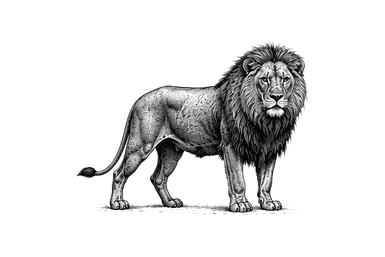
Big Five · Predators
Lions
Lions are among Ngorongoro Crater's leading wildlife attractions. They may be photographed on the crater floor,
in open grassland, near herbivores or in scenes of resting and social behaviour.
Probability: > 90%
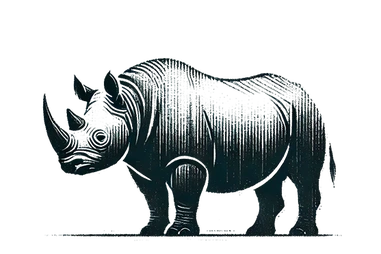
Big Five · Iconic Species
Black Rhinos
Black rhinos are one of the principal reasons Ngorongoro Crater is so special.
A sighting is never guaranteed, but it is far more realistic here than in many other Northern Tanzania parks.
Probability: > 60%
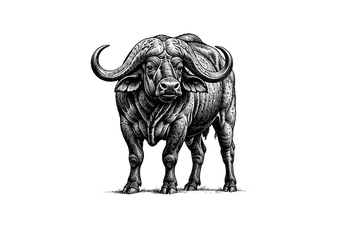
Big Five · Large Herbivores
Buffaloes
Buffaloes are powerful and reliable subjects in the crater. They are ideal for intense portraits, environmental group images,
interactions with predators and photographs against open backgrounds.
Probability: > 90%
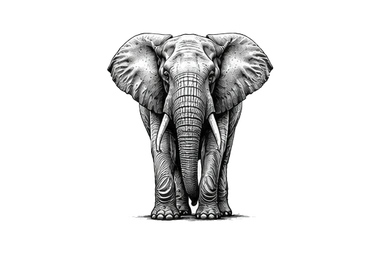
Big Five · Large Mammals
Elephants
Elephants may be observed in the crater and nearby forested areas, often as large bulls.
They are powerful subjects, especially when photographed with the crater walls or vegetation in the background.
Probability: > 60%
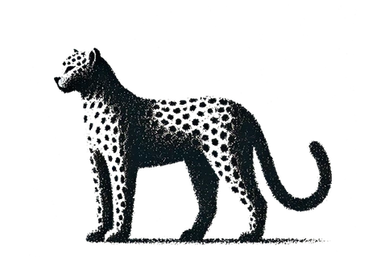
Big Five · Elusive Predators
Leopards
Leopards are present in the ecosystem but remain elusive. They should not be considered a predictable subject
on the crater floor, although a fortunate encounter remains possible.
Probability: > 20%
Predators and Carnivores of Ngorongoro Crater
Ngorongoro is particularly rewarding for predator photography. The crater's grasslands, concentration
of herbivores and presence of hyenas, lions, jackals and, more rarely, cheetahs and leopards make it possible to document
many savannah dynamics within a relatively compact space.
Predators and Scavengers
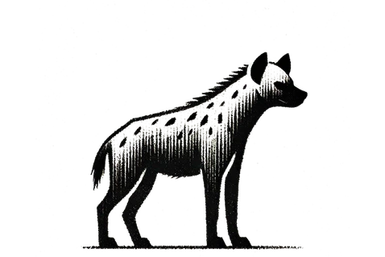
Hyenas
Hyenas are among the crater's most important carnivores. They may be observed on the move,
near herbivores, interacting with lions or in scenes associated with carcasses and social behaviour.
Probability: > 80%
Predators
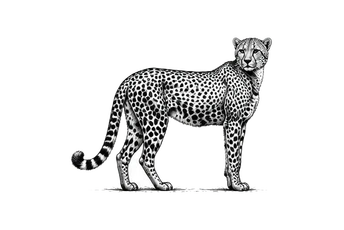
Cheetahs
Cheetahs may be encountered in the crater's more open areas, but they are less reliable than in Ndutu
or the Central Serengeti. When an encounter occurs, it is photographically rewarding.
Probability: > 30%
Smaller Carnivores
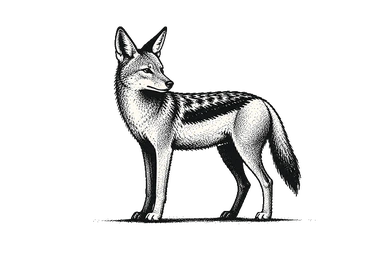
Jackals
Jackals are small but highly interesting subjects. They may be observed near grasslands,
carcasses or in scenes of fast, opportunistic behaviour.
Probability: > 50%
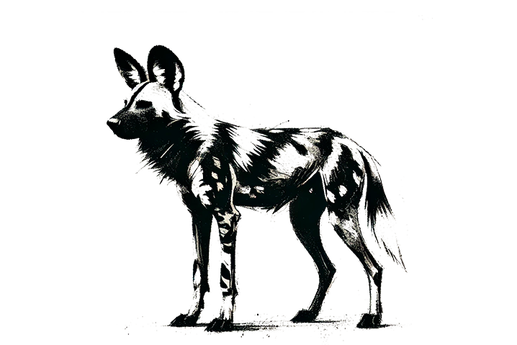
Very Rare Predators
African Wild Dogs
African wild dogs should not be considered a realistic subject during a typical photographic safari
in Ngorongoro Crater. They are included only as a species of the wider ecosystem.
Probability: very rare
Herbivores, Grasslands and Large Concentrations in the Crater
Herbivores are fundamental to telling the story of Ngorongoro. Zebras, wildebeest, gazelles, buffaloes, eland, antelopes,
warthogs and hippos form the crater's ecological foundation and provide opportunities for images of landscape, movement,
behaviour and interaction with predators.
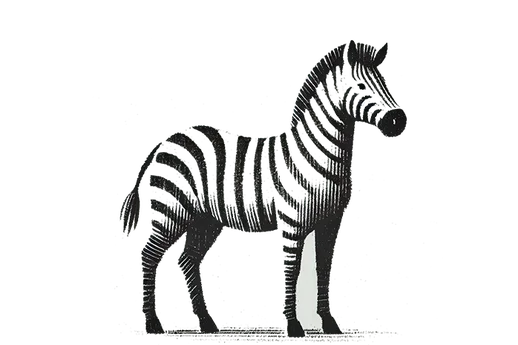
Herbivores · Grasslands
Zebras
Zebras are among the crater's most reliable subjects. They provide opportunities for graphic compositions, moving groups,
repetition and environmental photographs on the grasslands.
Probability: > 90%
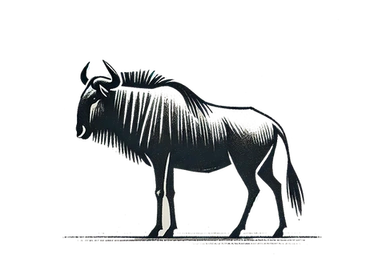
Herbivores · Grasslands
Wildebeest
Wildebeest are an important part of the crater landscape. They are ideal subjects for documenting groups,
movement, relationships with predators and life on the savannah.
Probability: > 90%
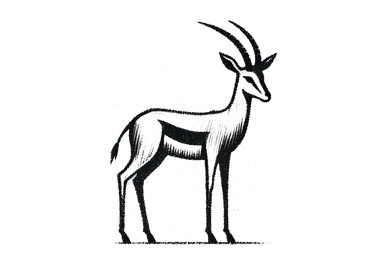
Antelopes and Prey
Gazelles
Gazelles are elegant subjects ideally suited to photographs of movement, alertness, running,
predator-prey relationships and low-angle light.
Probability: > 80%
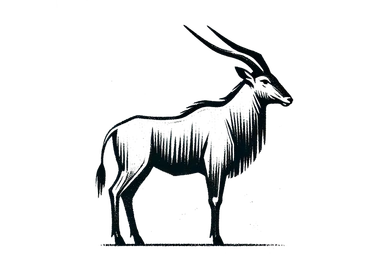
Antelopes
Eland
The eland is a large, elegant and imposing antelope. When observed, it provides opportunities for environmental images
with a powerful sense of scale and space.
Probability: > 40%
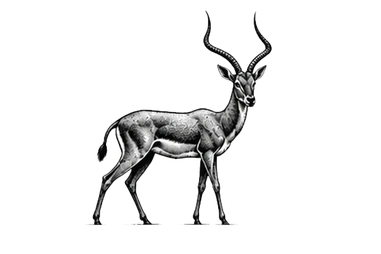
Antelopes
Impalas
Impalas may be observed in the Ngorongoro area and surrounding habitats.
They are elegant, dynamic subjects well suited to behavioural scenes.
Probability: variable
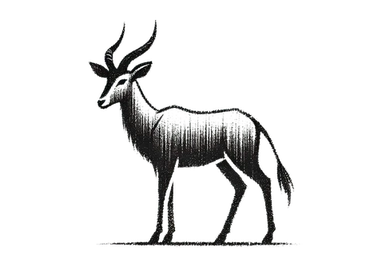
Antelopes
Antelopes
Several antelope species may be observed around the crater and within the wider Conservation Area.
They are valuable for environmental images, movement and behaviour.
Probability: variable
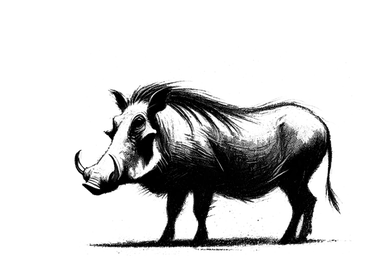
Herbivores
Warthogs
Warthogs are expressive and often underestimated subjects. They can provide dynamic images,
family scenes and spontaneous moments during the safari.
Probability: variable
Important Note
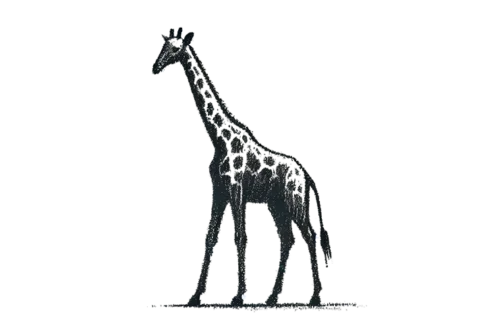
Giraffes
Giraffes are present in the wider Ngorongoro Conservation Area but are not a typical subject
on the crater floor. They should therefore be presented with caution on this page.
Crater floor: not typical
Lake Magadi, Hippos and Water-Associated Wildlife
Water is a fundamental feature of Ngorongoro Crater. Lake Magadi, marshes, pools and springs
attract hippos, waterbirds, flamingos and other wildlife, creating scenes that differ greatly from the open grasslands.
Aquatic Wildlife
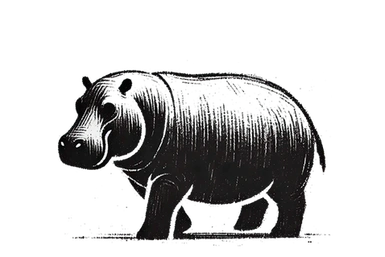
Hippos
Hippos are important subjects in the crater's wetland areas. They provide opportunities for group images,
behaviour, yawning, reflections and environmental scenes.
Probability: > 80%
Reptiles and Wetlands
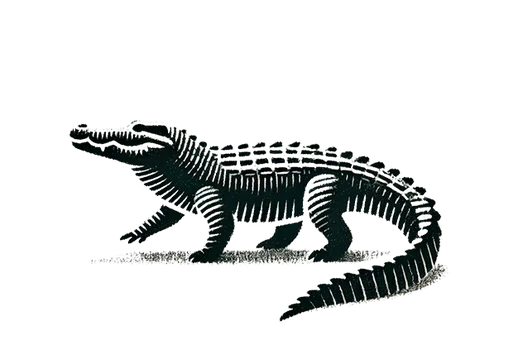
Nile Crocodiles
Crocodiles are not among the crater's most characteristic subjects, but they are associated with aquatic environments
in the region. In Ngorongoro, they should be considered a secondary subject.
Probability: variable
Water-Associated Birds
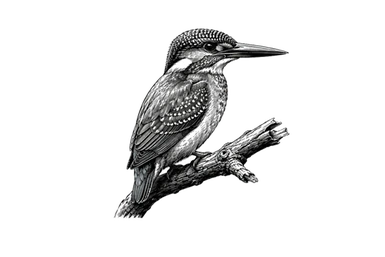
Kingfishers
Kingfishers are small but highly photogenic subjects found in areas associated with water.
They are rewarding for images of perching, detail, colour and behaviour.
Probability: variable
Primates and Smaller Characters of Ngorongoro
Less iconic animals also have considerable photographic value. Primates, jackals, warthogs and other small subjects
help document behaviour, movement, social relationships and spontaneous moments that complete
the safari's visual narrative.
Primates
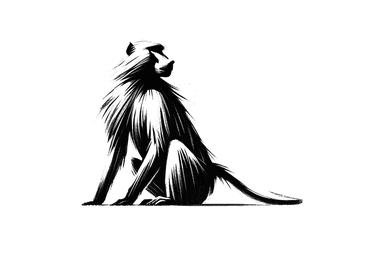
Baboons
Baboons are expressive subjects with excellent storytelling potential. They can offer family scenes, social interactions,
movement and photographs rich in behavioural detail.
Probability: variable
Primates
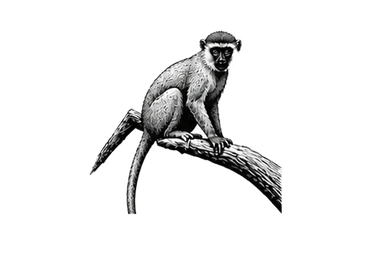
Vervet Monkeys
Vervet monkeys are lively and expressive small primates. They are rewarding subjects for photographs of behaviour,
gestures, social interactions and more intimate scenes.
Probability: variable
Birds, Raptors and Birdlife in Ngorongoro Crater
Ngorongoro is also rewarding for bird photography. Lake Magadi and the wetlands attract waterbirds
and flamingos, while grasslands and open habitats may provide opportunities to photograph secretary birds, bustards, ostriches, raptors
and colourful savannah species.
Raptors
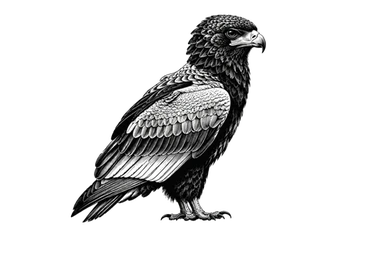
Bateleur
The bateleur is one of the African savannah's most elegant raptors. It is rewarding in flight, on exposed perches
or while soaring over open habitats.
Probability: variable
Savannah Birds
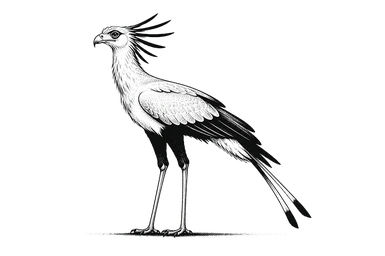
Secretary Bird
The secretary bird is an iconic savannah species. Its posture,
long legs and terrestrial behaviour make it instantly recognisable.
Probability: variable
Raptors and Water
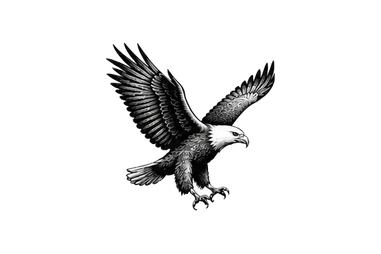
African Fish Eagles
African fish eagles may be associated with aquatic environments. They are rewarding subjects for photographs
of perched birds, flight, silhouettes and landscapes.
Probability: variable
Colourful Birds
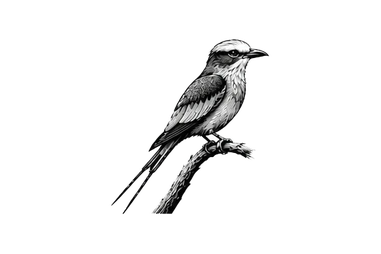
Lilac-Breasted Roller
The lilac-breasted roller is one of the savannah's most photogenic birds. Its exposed perches
and short flights make it an excellent subject for composition, backgrounds and colour.
Probability: variable
To make this section even stronger, dedicated images of flamingos, ostriches, kori bustards,
crowned cranes, hamerkops, pelicans, ibises and cattle egrets could be added in the future.
Distinctive Species to Add in the Future
Several species would make the Ngorongoro Crater page even more precise and distinctive. To make it as complete
as possible, consider creating and uploading these additional icons in the future.
Flamingo
Essential for representing Lake Magadi and the crater's water-based photography.
Ostrich
A classic subject of the crater's open grasslands.
Kori Bustard
An iconic species of East Africa's open habitats.
Crowned Crane
A valuable species for showcasing Ngorongoro's birdlife.
Thomson's Gazelle
An important addition for distinguishing the crater's gazelle species more clearly.
Grant's Gazelle
Well suited to grasslands, predators and environmental photography.
Sighting Probabilities During a Safari in Ngorongoro Crater
The probabilities below are indicative and are intended to communicate realistically which subjects are
generally more reliable and which require greater patience. In Ngorongoro, black rhinos are a far more realistic possibility
than in other Northern Tanzania parks, but they remain wild animals and are never guaranteed.
Lions> 90%
Buffaloes> 90%
Zebras> 90%
Wildebeest> 90%
Gazelles> 80%
Hyenas> 80%
Hippos> 80%
Black Rhinos> 60%
Elephants> 60%
Jackals> 50%
Eland> 40%
Cheetahs> 30%
Leopards> 20%
AntelopesVariable
ImpalasVariable
WarthogsVariable
Nile CrocodilesVariable
BaboonsVariable
Vervet MonkeysVariable
Giraffes on the crater floorNot typical
BateleurVariable
Secretary BirdsVariable
African Fish EaglesVariable
Lilac-Breasted RollersVariable
KingfishersVariable
FlamingosVariable
Ngorongoro from a Photographer's Perspective
Photographing in Ngorongoro Crater means working within a highly distinctive natural setting.
The animals are not isolated from the landscape: the crater walls, grasslands, marshes, Lake Magadi,
forested areas and rapidly changing light all become essential parts of the image.
For this reason, a photographic safari in Ngorongoro calls for a balance of long telephoto lenses,
environmental compositions and close attention to the background. A distant rhino, a lion in the grassland,
a hyena on the move, a group of zebras or flamingos on the lake can all produce powerful images
when placed within the context of the caldera.
Photographic Safaris Connected to Ngorongoro Crater
Scheduled Safari
Great Migration and Ngorongoro Photographic Safari
A Northern Tanzania itinerary combining Tarangire, Ngorongoro, Ndutu and Central Serengeti in January.
Map and Itinerary
Great Migration Safari Itinerary 2027
View the route from Kilimanjaro Airport to Tarangire, Ngorongoro, Ndutu, Central Serengeti and Seronera.
Lodge
Karatu Tented Lodge
The lodge used for the Ngorongoro stage of the Northern Tanzania photographic safari.
Photographic Guide
Great Migration and Calving Season Wildlife
A wildlife guide to the safari's destinations: Tarangire, Ngorongoro, Ndutu and Central Serengeti.
Ndutu Wildlife
The Great Migration and Calving Season in Ndutu
Explore Ndutu's wildlife in January, including herds, newborn animals, predators and green plains.
Tarangire Wildlife
Elephants, Baobabs and Wildlife of Tarangire
Explore Tarangire's wildlife and compare its baobab landscape with the enclosed world of the crater.
Would You Like to Photograph the Wildlife of Ngorongoro Crater?
Ngorongoro is an ideal destination for photographers seeking a wildlife-rich and spectacular safari:
lions, black rhinos, buffaloes, zebras, wildebeest, hyenas, hippos, flamingos, Lake Magadi, crater walls
and a concentration of wildlife unique in Northern Tanzania.