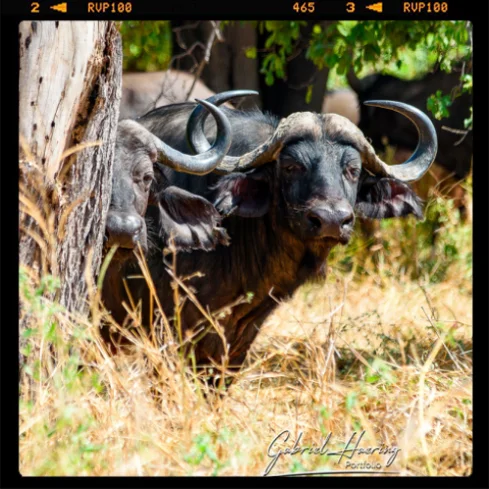


Tanzania Photo Safari Report – A Fly-in Journey Through Nyerere and Ruaha
A Different Kind of Tanzania Photo Safari
Southern Tanzania always feels different from the very beginning. Even before the first game drive, there is already a sense of distance, quiet, and relief. Leaving Dar es Salaam by small aircraft and flying directly into the bush changes the rhythm of the safari immediately. The city disappears quickly, the landscape opens beneath you, and what follows feels less like a transfer and more like the real beginning of the journey.
This was a 7-day fly-in photographic safari through two of Southern Tanzania’s most rewarding wilderness areas: Nyerere National Park and Ruaha National Park. We spent three nights in each park, moving between them by internal flight rather than by long road transfer. That structure mattered. It gave the safari more balance, more energy in the field, and more time for what really counts: light, wildlife, atmosphere, and patience.
Rather than following the classic northern circuit, this journey led into a part of Tanzania that feels quieter, less pressured, and more spacious. What makes the south so rewarding is not only the wildlife itself, but the way a safari unfolds there. The rhythm is calmer. Sightings feel less crowded. The landscape carries more silence. And photography has room to happen naturally.
Trip Summary
RouteDar es Salaam → Nyerere National Park → Ruaha National Park
Duration
6 nights / 7 days
Nyerere
3 nights
Ruaha
3 nights
Style
Private fly-in photographic safari with minimal transfer fatigue
Best for
Wildlife lovers and photographers looking for remote, crowd-free parks
Private fly-in photographic safari with minimal transfer fatigue
Best for
Wildlife lovers and photographers looking for remote, crowd-free parks
Photography focus
River scenes, elephants, predators, baobab landscapes, behaviour, golden light
River scenes, elephants, predators, baobab landscapes, behaviour, golden light
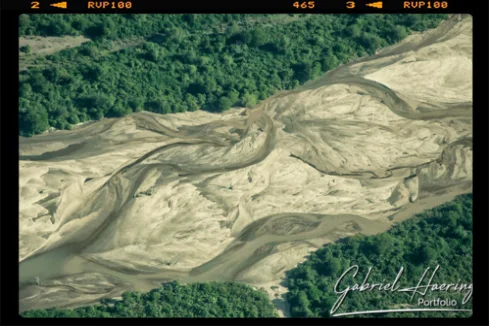
From Dar es Salaam to Nyerere – When the Safari Truly Begins
One of the strengths of this itinerary is that the safari begins almost immediately. Instead of spending long hours on the road, we flew directly from Dar es Salaam into Southern Tanzania. That shift is always something I appreciate. It removes the feeling of “getting there” and replaces it with the feeling of already being there.
Very quickly, the noise and movement of the city fall away. From the air, the country begins to open, and by the time we land, the pace has already changed. There is less fatigue, less transition, and more presence. That is one of the quiet advantages of a fly-in safari: you arrive with your attention still fresh.
It matters more than people sometimes expect. A safari is not only defined by the places you visit, but also by the state of mind in which you reach them. Beginning the journey this way made everything feel lighter and better balanced from the very first day.
Nyerere National Park – Water, Silence and a Softer Kind of Wilderness
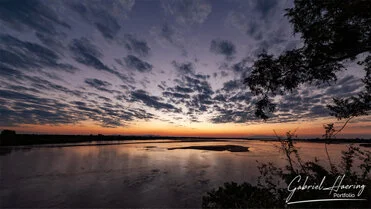
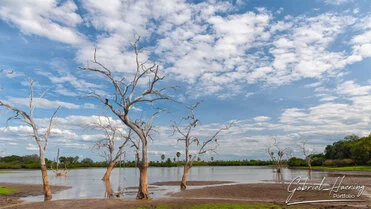
Nyerere has always felt different to me from most other parks in Tanzania. It is not only a place of wildlife sightings. It is a place of atmosphere. The Rufiji River, the side channels, the lagoons, the floodplains, and the broad skies all shape the experience in a way that feels open and calm, yet constantly alive.
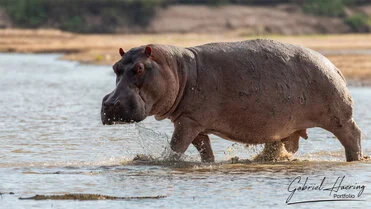
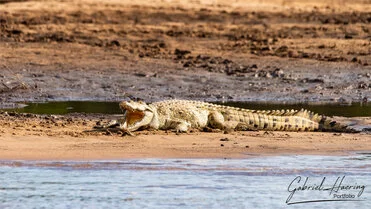
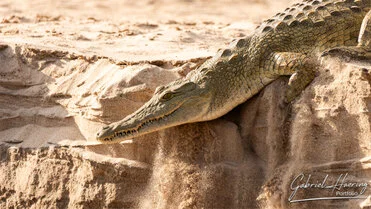
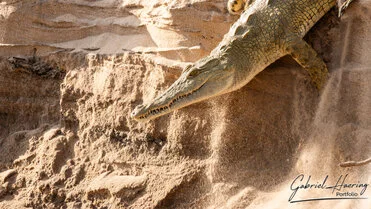
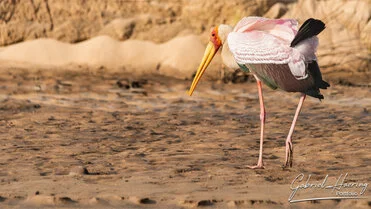
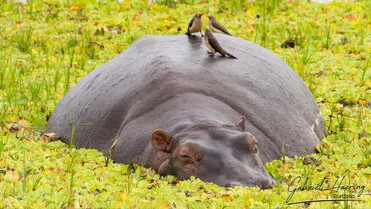
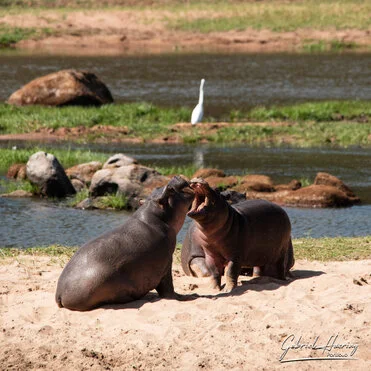
What stayed with me most there was the stillness. The river was never empty, yet nothing felt hurried. Hippos surfaced quietly. Crocodiles held their positions along the banks. Elephants appeared in softer light as if they belonged completely to that slow-moving world of water and reflection. In Nyerere, the landscape is never just a background. It is always part of the image.
Photographically, Nyerere is especially rewarding because wildlife feels deeply connected to place. Instead of isolated subjects against neutral surroundings, you often work with layered scenes: water in the foreground, riverbanks and vegetation giving structure, and soft distance adding atmosphere rather than clutter.
Another thing I value greatly in Nyerere is the patience the park allows. With fewer vehicles around, we could stay longer, observe more quietly, and let behaviour unfold without pressure. That changes everything. Photography becomes less reactive and more thoughtful. Instead of rushing for a quick image, there is time to wait for the right line, the right background, or the right gesture.
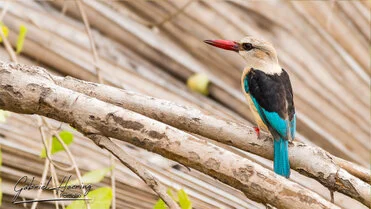
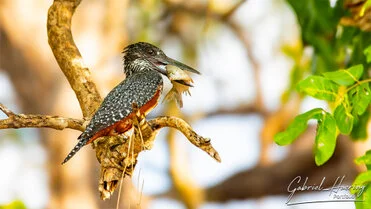
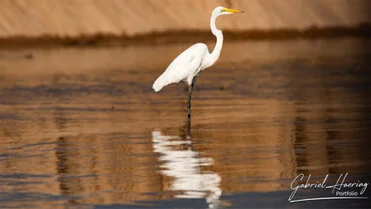
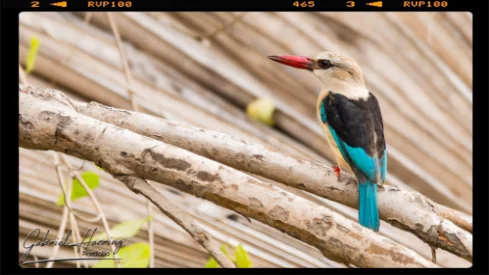
Nyerere also expands what a safari can look like. It is not only about classic game-drive moments. It is also about environmental storytelling. Birdlife adds elegance and variation. Reflections and quiet water create more subtle scenes. Morning light can feel delicate rather than dramatic. All of this gave the first part of the journey a softness and calm that would later contrast beautifully with Ruaha.
Flying from Nyerere to Ruaha – A Change of Chapter
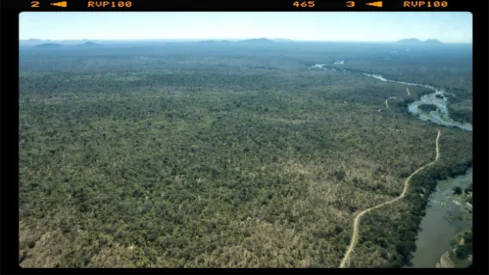
After three nights in Nyerere, we continued by internal flight to Ruaha. It felt like more than a simple transfer between parks. It felt like a real change of chapter.
Leaving behind the river systems and floodplains, the landscape gradually hardened and opened into something drier, rougher, and more elemental. This is one of the most satisfying transitions in Southern Tanzania, because the contrast between the two parks becomes fully visible. Nyerere leaves you with water, stillness, reflections, and softness. Ruaha answers with baobabs, dust, harsher light, and a stronger sense of raw wilderness.
That contrast is one of the greatest strengths of this safari. It prevents repetition and gives the journey a richer structure. You do not move from one version of the same safari to another. You move into a different mood, a different visual language, and almost a different emotional register.
Ruaha National Park – The Wild Heart of Southern Tanzania
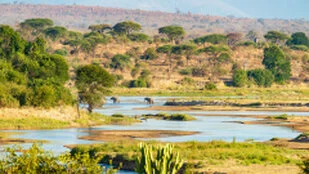
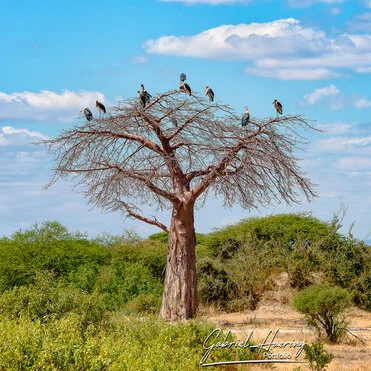
Ruaha felt immediately more rugged and more exposed than Nyerere. The light was stronger, the land drier, and the baobabs gave the whole landscape an ancient weight. Even quiet sightings felt powerful there. It is one of those places where the scenery has such presence that wildlife never feels separate from it.
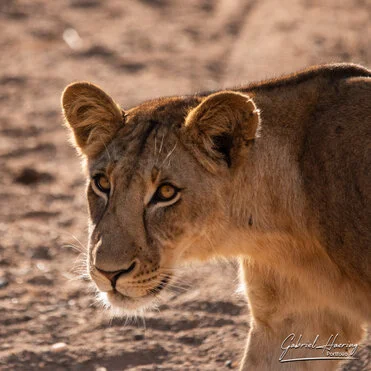
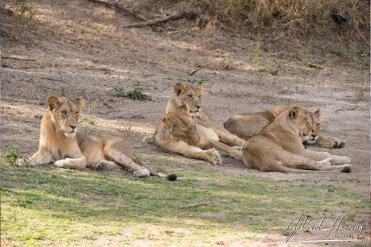
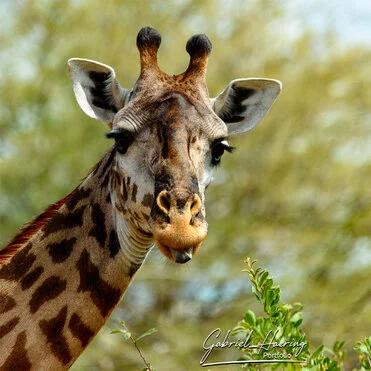
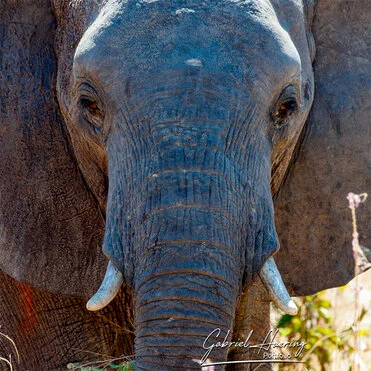
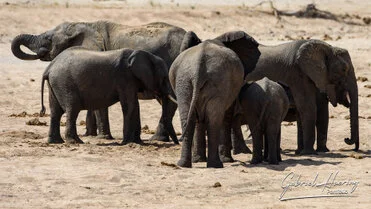
What makes Ruaha so compelling is the strength of its setting. It does not offer only subjects. It offers context. Elephants moving through baobab country, giraffes standing against dry horizons, lions resting in a landscape that looks completely untamed — everything feels part of a larger wilderness story.
As a photographic counterpoint to Nyerere, Ruaha works beautifully. Where Nyerere invited layered, quieter, more fluid compositions, Ruaha invited stronger lines, wider dryness, and more visual intensity. The terrain held more tension. The light could feel sharper. The atmosphere was less gentle and more elemental.
Low vehicle density made an enormous difference here as well. We were able to remain with sightings, change angles, wait for light to improve, and concentrate on behaviour rather than on competition for position. For photographers who care more about quality than quantity, that is one of Ruaha’s greatest strengths.
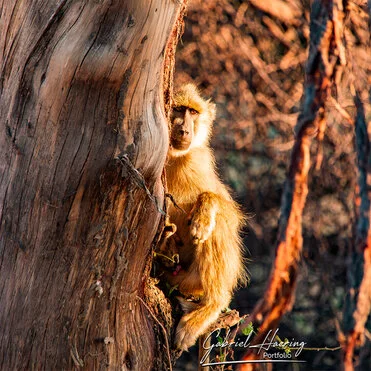
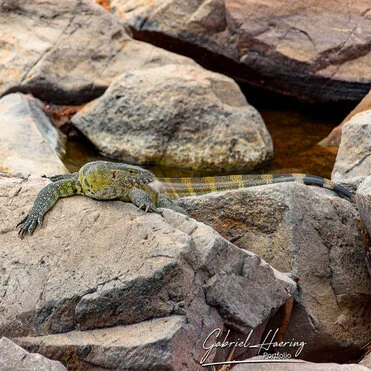
Ruaha is often described in terms of predators, elephants, or baobabs, and all of that is true. What remains most memorable, however, is the atmosphere of the place itself. It feels genuinely wild. Not curated, not softened, not overly shaped by tourism. That makes every drive feel less like a search for a checklist and more like time spent inside a living landscape.
Why Southern Tanzania Works So Well as a Fly-in Photographic Safari
One of Southern Tanzania’s greatest strengths is its feeling of space, quiet, and freedom. After many safaris in different parts of Tanzania, that difference is something I notice immediately. In parks such as Nyerere and Ruaha, the rhythm feels calmer, more natural, and far less defined by other vehicles.
That has a direct effect on photography. We could stay longer with a subject, observe behaviour more patiently, and work with light, background, and composition in a way that felt more considered.
The fly-in structure also suits Southern Tanzania especially well. These are vast parks, and travelling between them by road would inevitably take away both time and energy. By flying, the safari feels lighter and more coherent. You arrive ready to look, not tired from transit. What may sound like a logistical detail actually shapes the entire experience.
This is one of the reasons the south feels so rewarding. It feels less like a route to complete and more like a wilderness to experience. That changes the whole tone of the safari.
Final Reflections – A Quiet, Authentic and Deeply Rewarding Journey
What made this journey memorable was not only the wildlife itself, but the way the route unfolded.
Nyerere and Ruaha complement one another beautifully. One is shaped by water, floodplains, reflections, and softer layered scenes. The other is shaped by baobabs, drier light, predators, and a stronger sense of scale. Together they create a safari that feels varied, coherent, and deeply satisfying.
For travellers looking for a Tanzania photo safari beyond the better-known northern circuit, Southern Tanzania offers something rare: remoteness, photographic quality, low tourism pressure, and the feeling of being genuinely immersed in nature. It is not a louder safari. It is a deeper one.
This, in the end, is the real value of a fly-in journey through Nyerere and Ruaha. It is not only about what can be seen. It is about how the safari feels while you are living it: quieter, more spacious, more patient, and more connected to the landscape.
Interested in Your Own Fly-in Photographic Safari in Tanzania?
If this quieter and more remote side of Tanzania appeals to you, explore my private fly-in photographic safaris in Southern Tanzania and get in touch to plan your own journey through Nyerere, Ruaha, and other remote wilderness areas.