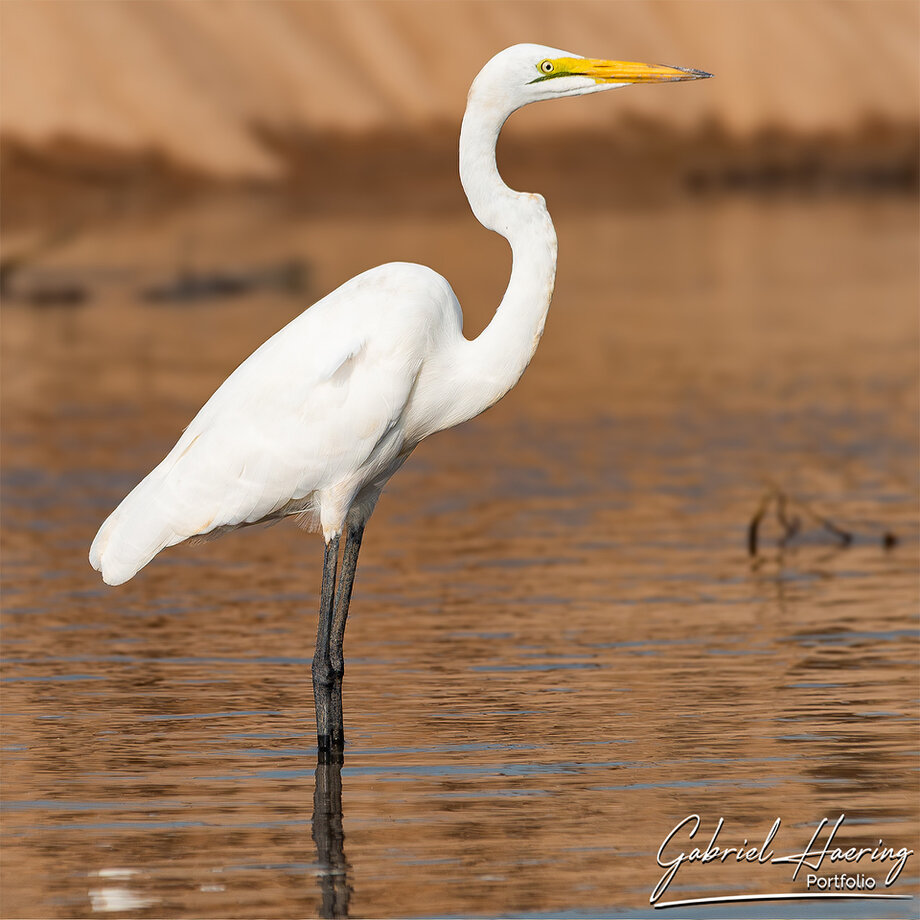
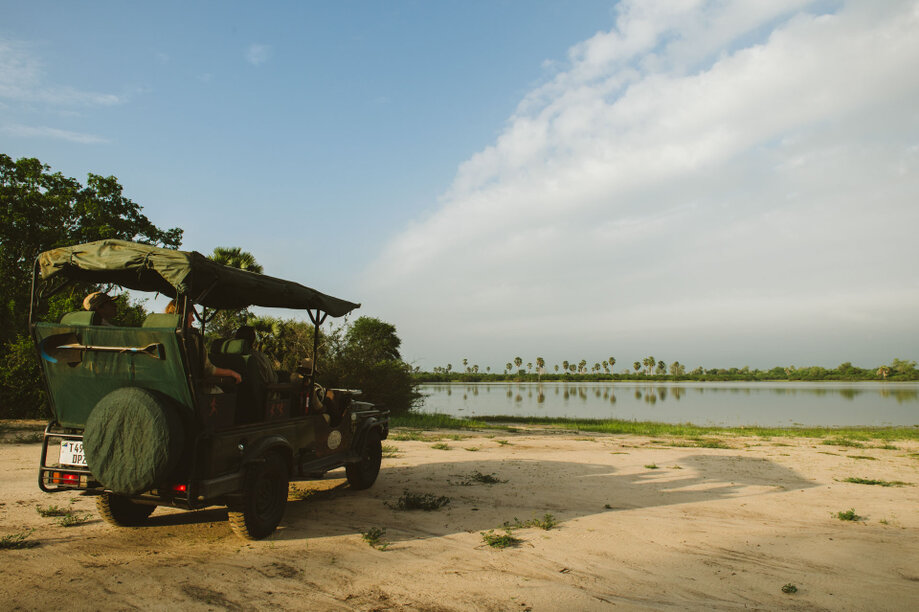
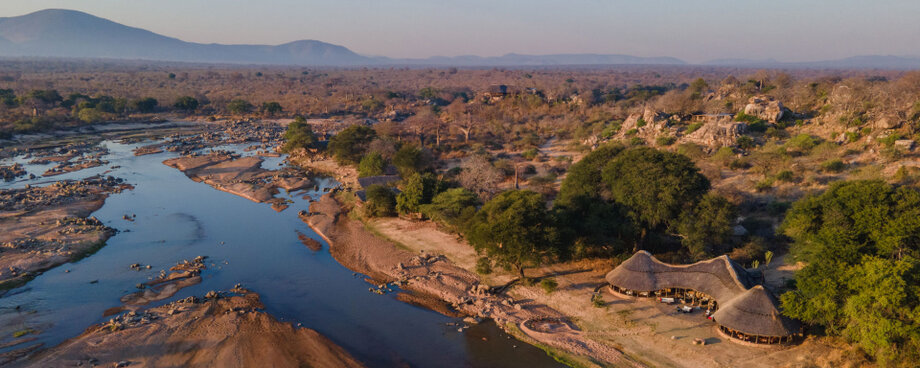
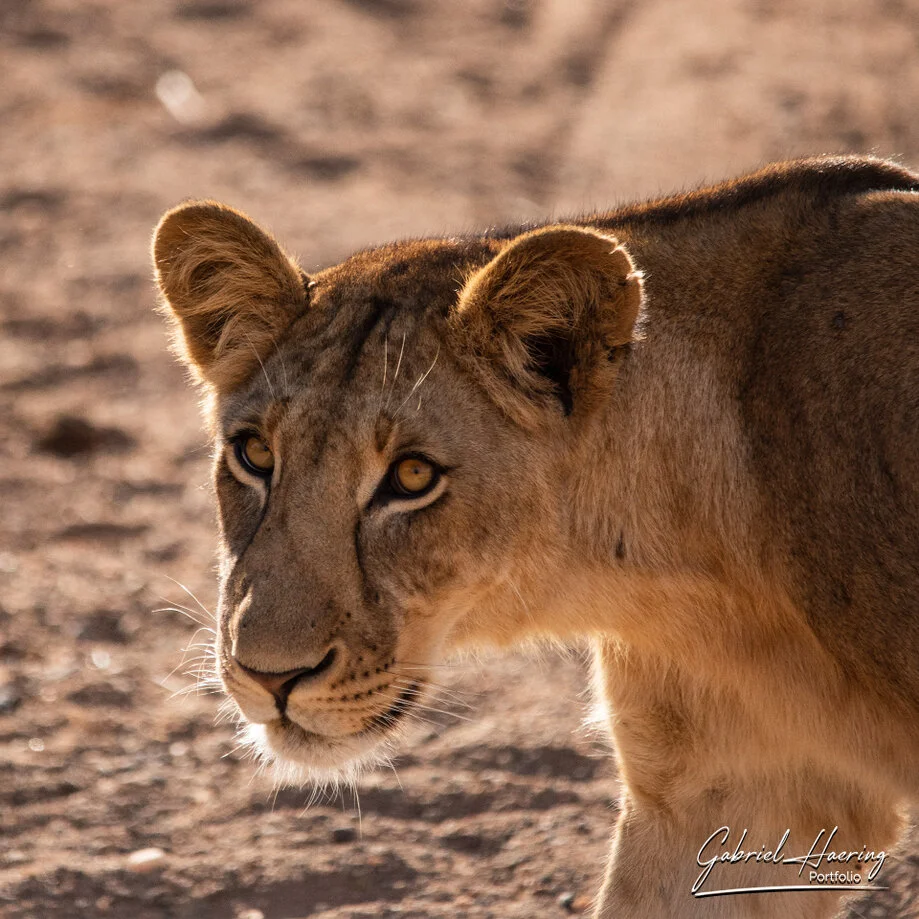
The route’s photographic value comes from the range of situations available
across its two bases. You can build a sequence around the river in Nyerere,
then work with the scale of trees, rocks and animals in Ruaha. Each park adds
pictures that explain a different part of Southern Tanzania.
The assessment considers the complete itinerary, including fly-in logistics, cost, November conditions, vehicle density and the photographic differences between the parks, as well as the quality of wildlife encounters.
Nyerere
stands out for the variety of habitats along the Rufiji River system, elephants, birdlife, few vehicles and the chance to make images in a setting quite different from Tanzania’s busier northern circuits.
Ruaha
adds particularly strong potential for big cats, elephants, baobab landscapes, birdwatching and photography in a genuine wilderness setting.
The overall score of
8.8 / 10
therefore represents an assessment of the complete Nyerere & Ruaha safari, rather than a simple average of its strongest potential photographic encounters.
Africa Photography editorial assessment.
Scores are based on the criteria shown in the tables, publicly available information and personal field experience. These assessments necessarily contain an element of probability: wildlife presence and behaviour, animal concentrations, predator activity, water levels, rainfall, vegetation, track conditions and photographic opportunities can vary between trips. Nature is inherently unpredictable, and no sighting, animal behaviour or specific photographic situation can be guaranteed.